Oct 8, 2026Market & Brand Development
The EU Compliance Checklist for Chinese-Manufactured Skincare: From Factory Gate to First Sale
Six steps before Chinese-made skincare sells in the EU: responsible person, PIF with CPSR, GMP evidence, CPNP notification, compliant label, substantiated claims. A stage-by-stage checklist.
A Chinese-manufactured skincare line can sell legally in the EU, but only after six steps complete in order: appoint an EU-based responsible person, build the Product Information File around a signed safety report, document GMP production, file the CPNP notification, print a compliant label, and lock claims behind evidence. The first five must all be finished before the product can be placed on the EU market. Here is what each step involves and which side — brand, importer, or factory — supplies it.
Step 1: Appoint the Responsible Person
Every cosmetic placed on the EU market needs a Responsible Person: a legal or natural person established inside the Union (Article 6, Regulation 1223/2009). The RP's name and EU address must appear on the label. Brands based outside the EU usually appoint a consultant or their EU distributor — and if nobody is named, the importer inherits the RP's legal duties by default. Delegating tasks to a third party is allowed, but custody of the Product Information File stays with the RP.
Step 2: Build the PIF around the CPSR
The Product Information File lives at the RP's address, in electronic or other form, kept for 10 years after the last batch. It contains a description of the product, a reference to the Cosmetic Product Safety Report, and a statement on animal testing — including any testing done to satisfy third-country rules. The CPSR itself splits into Part A (quantitative formula, physical-chemical characteristics and stability, microbiological quality, packaging-material information, exposure and toxicological profiles) and Part B (the assessor's conclusion, labelled warnings, reasoning, and credentials). The full PIF item list is covered in our earlier checklist article.
Step 3: Document GMP at the Factory
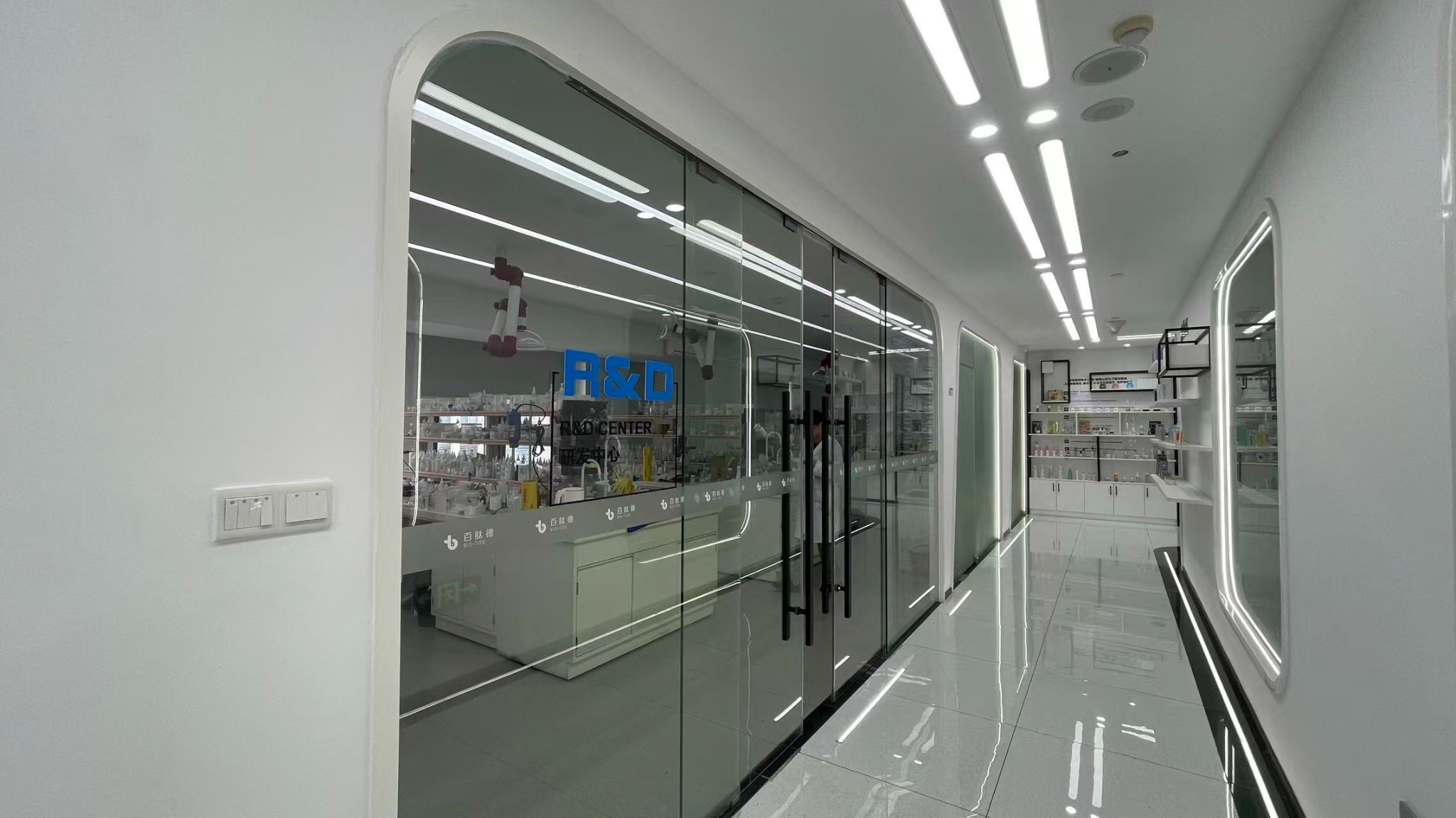
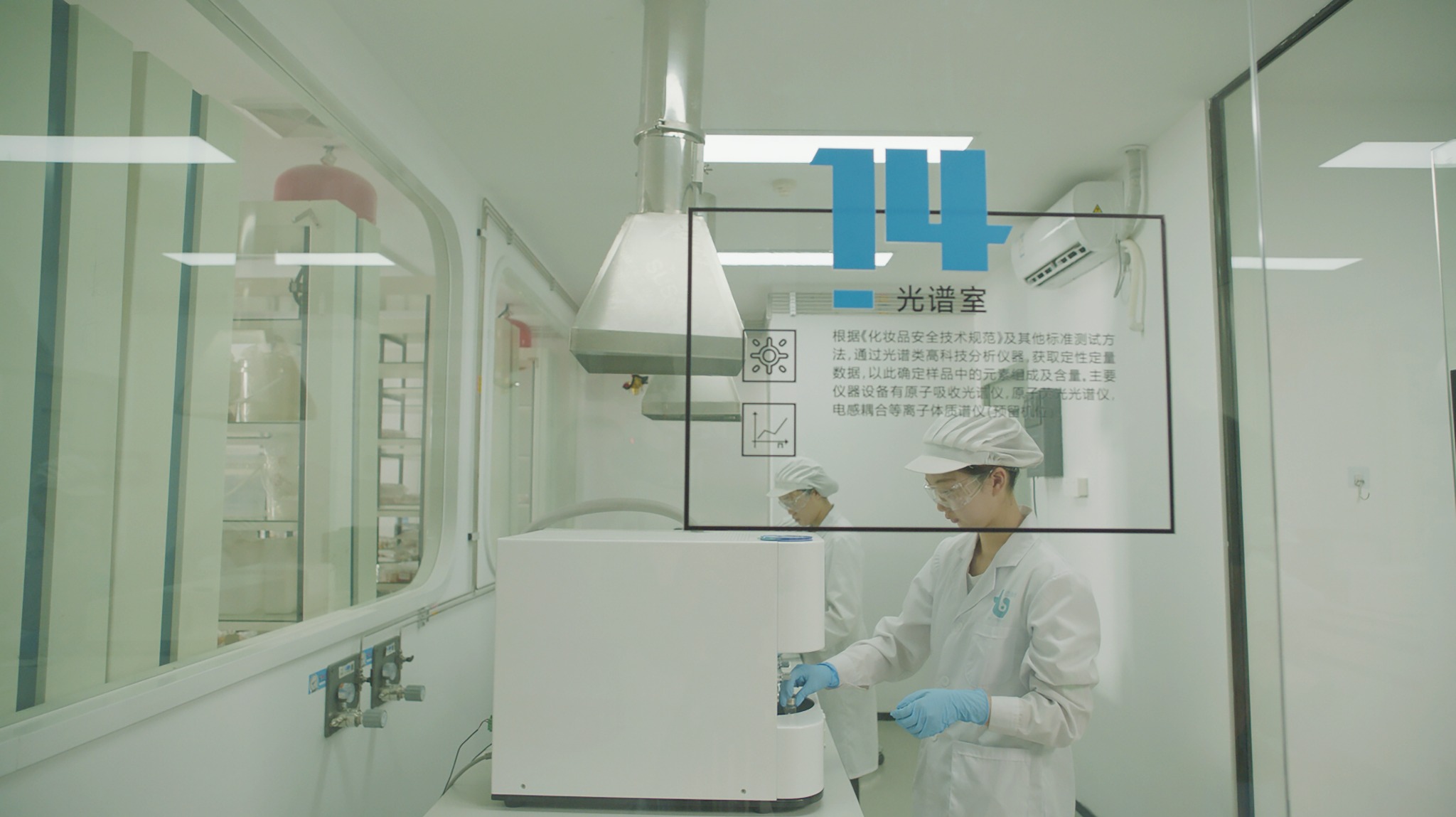
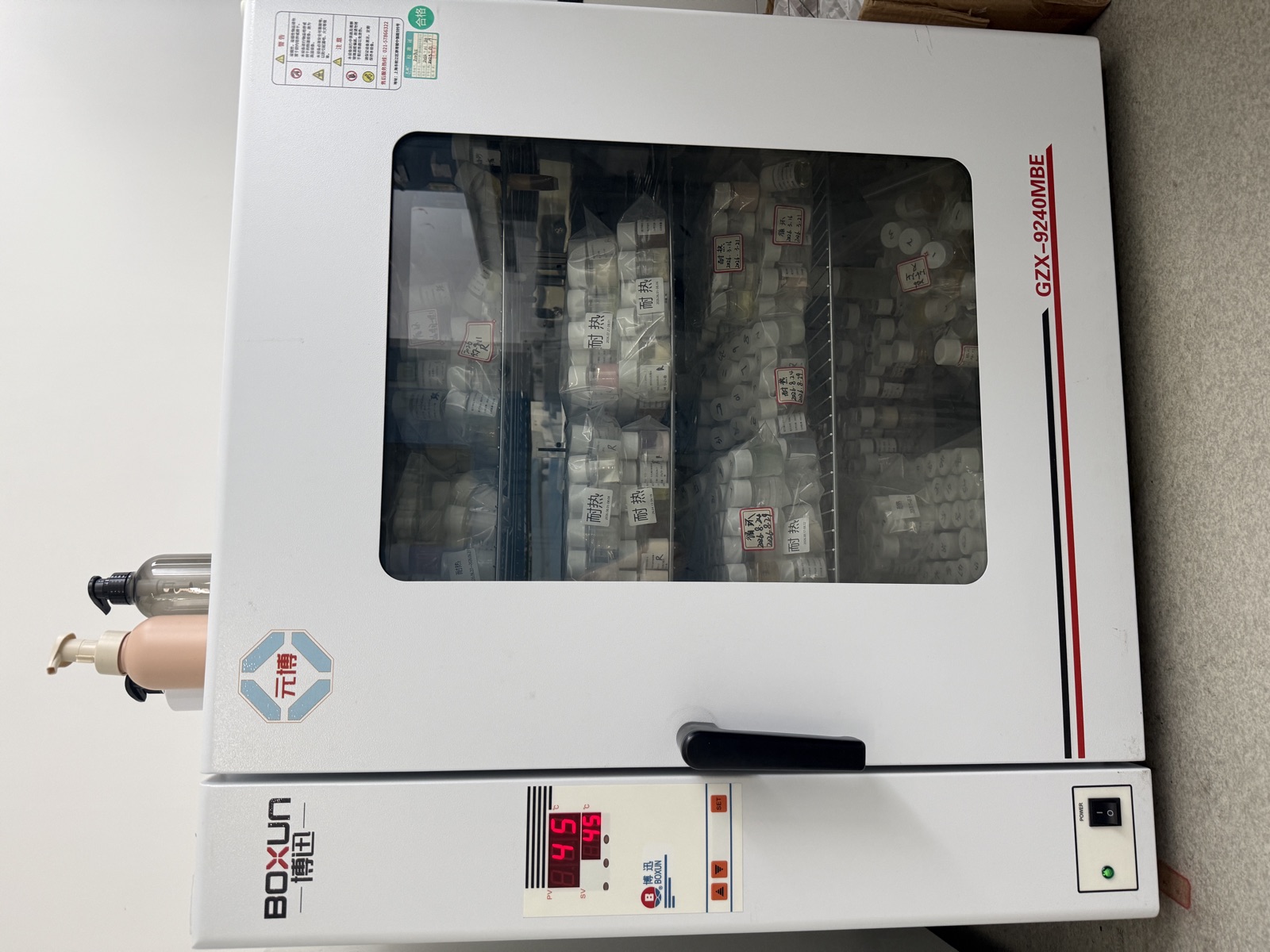
Article 12 requires production under Good Manufacturing Practice, and the harmonized standard is ISO 22716. A manufacturer that does not follow the harmonized standard must demonstrate equivalence another way — which is why the factory's certificates matter before, not after, the safety assessment. BIO-TIDE produces under GMPC and ISO 22716 and supplies the batch documentation, stability data and packaging-compatibility records that Part A of the CPSR is built from.
Step 4: File the CPNP Notification
Before the product is placed on the market, the RP — not the safety assessor and not the factory — submits the notification through the EU's Cosmetic Products Notification Portal: product category and usual name, country of origin, member states of sale, contact details for the RP and the safety assessor, and the original label with foreseeable packaging photos. Products containing nanomaterials must be notified six months in advance. Significant later changes — new label, new assessor, reformulation — require an update to the notification.
Step 5: The Label
Article 19 sets the mandatory label content: the RP's name and EU address; nominal content by weight or volume; a best-before date or, for products lasting more than 30 months, the period-after-opening symbol; precautions written in the language of the member state of sale; a batch number; the product function where it is not obvious; and the ingredient list in descending order of weight using INCI nomenclature, with fragrance allergens labelled under the 2023 allergen regulation.
Step 6: Claims Behind Evidence
Regulation 655/2013 sets six common criteria that every claim must satisfy at the same time: legal compliance, truthfulness, evidential support, honesty, fairness, and informed decision-making. The evidence behind a claim must be kept available for competent authorities — a claim like “dermatologically tested” or “reduces wrinkles in 4 weeks” needs a study file behind it. Fixing unsupported claims after launch usually means reprinting packaging.
Which Side Supplies What
A practical split: the brand chooses the RP and owns claims and market strategy; the RP holds the PIF and files the CPNP; the safety assessor signs the CPSR; the factory supplies the raw material — full formula disclosure, stability and compatibility data, microbiological results, GMP certificates and batch records. None of these roles can cover for a missing one, which is why the sequence works best when the factory's documentation starts flowing at sampling, not at filing.
Frequently Asked Questions
Does our Chinese factory need an EU office?
No. The factory stays the exporter; what the EU requires is an established Responsible Person inside the Union. That role is filled by your consultant or EU distributor, not by the manufacturing site.
Who signs the CPSR?
A qualified safety assessor, whose credentials are stated in Part B of the report. The RP hires the assessor; the factory provides the Part A data the assessment is based on.
Can the factory file the CPNP notification?
No. Article 13 assigns the notification to the Responsible Person. Factories outside the EU cannot hold the notification, which is one more reason to appoint the RP early.
What happens if a claim has no evidence?
Claims must meet all six common criteria of Regulation 655/2013, and authorities can ask for the supporting file. Unsubstantiated claims are a compliance defect that forces re-labelling or withdrawal — the cheaper fix is to write claims the evidence already supports.
The EU gate is procedural: six steps, in order, each with an owner. The formula-level side — what the 2026 ingredient restriction changes mean for an existing line — is covered in our article on the EU 2026 ingredient changes. To start a line whose documentation is built for these steps from day one, talk to our team about sampling and the technical file.