Oct 19, 2026Market & Brand Development
SFDA eCosma Notification Step by Step: Filing Chinese-Made Skincare in Saudi Arabia
The eCosma notification that admits Chinese-made skincare to Saudi Arabia runs through SFDA's GHAD portal: establishment registration, per-product filing, and the factory documents behind it.
Getting Chinese-made skincare into Saudi Arabia runs through one door: the eCosma notification inside SFDA's GHAD portal. The process has three stages — the importer opens a GHAD account and registers the establishment, each product is notified individually with its data and certificates, and only then can the goods be imported. The notification is filed by the Saudi side; the Chinese factory's job is the document set behind it. Here is the sequence, and who owns each step.
Stage 1: the GHAD account and establishment registration
GHAD is SFDA's unified electronic portal, and everything starts there. The Saudi importer or distributor registers the establishment first: the account application is supported by the establishment's commercial registration and the owner's identification, per SFDA's notification guidance, and the registration itself records the commercial license, contact details and the appointed responsible person. This account is the legal container for every product notification that follows — in practice, a new Saudi partner means a new registration — one more reason to choose that partner early.
Stage 2: the per-product notification in eCosma
Inside the cosmetics account on GHAD, each product is notified individually through the Add New Product service. The submission carries the product's data, its label and artwork, and the supporting certificates. SFDA's guidance — updated in a January 2025 edition — describes the goal plainly: a complete database of locally manufactured and imported cosmetic products. Two serums with different formulas are two notifications; a shade variant may be its own line depending on how the products are declared.
The document set behind the notification
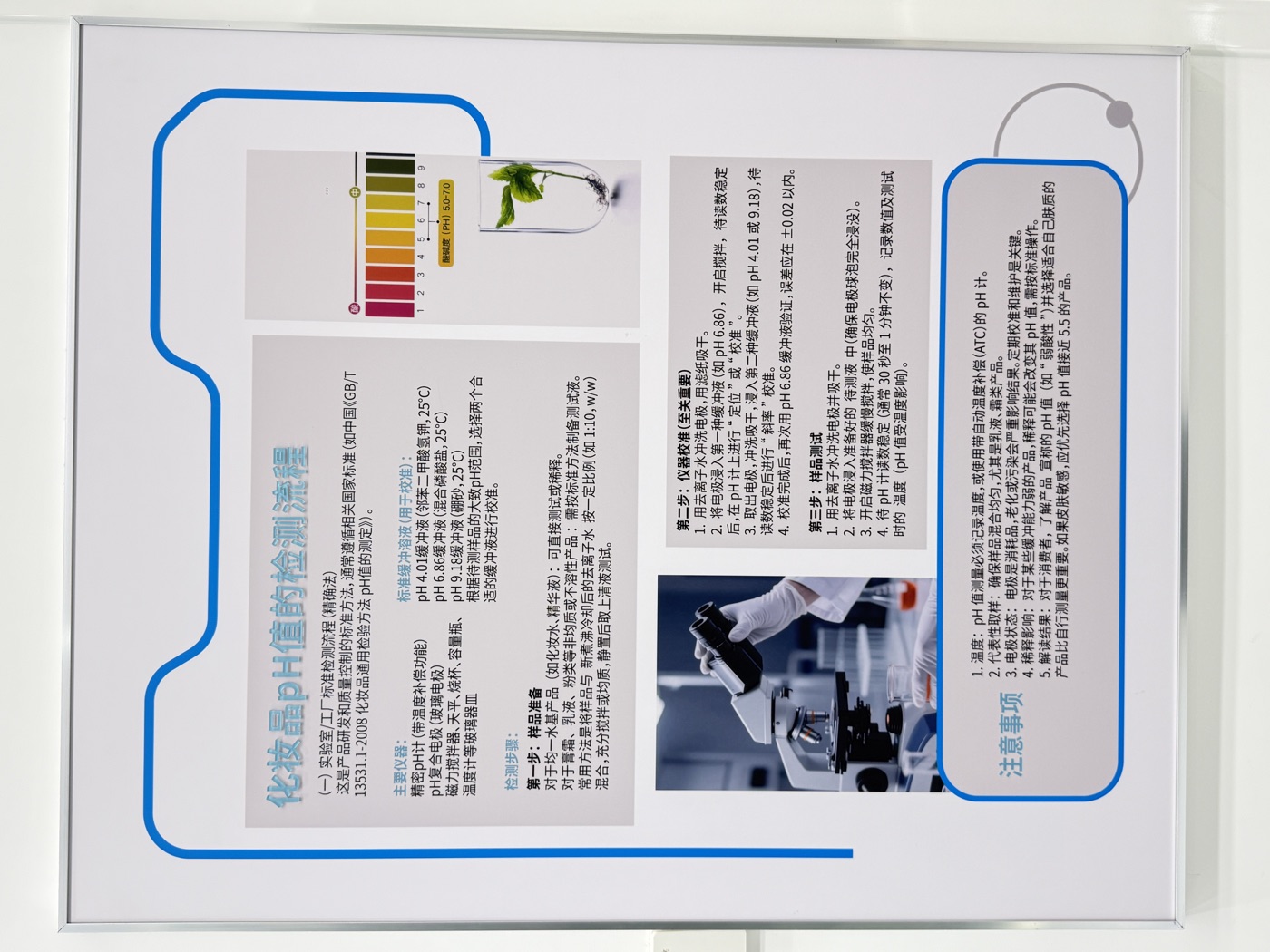
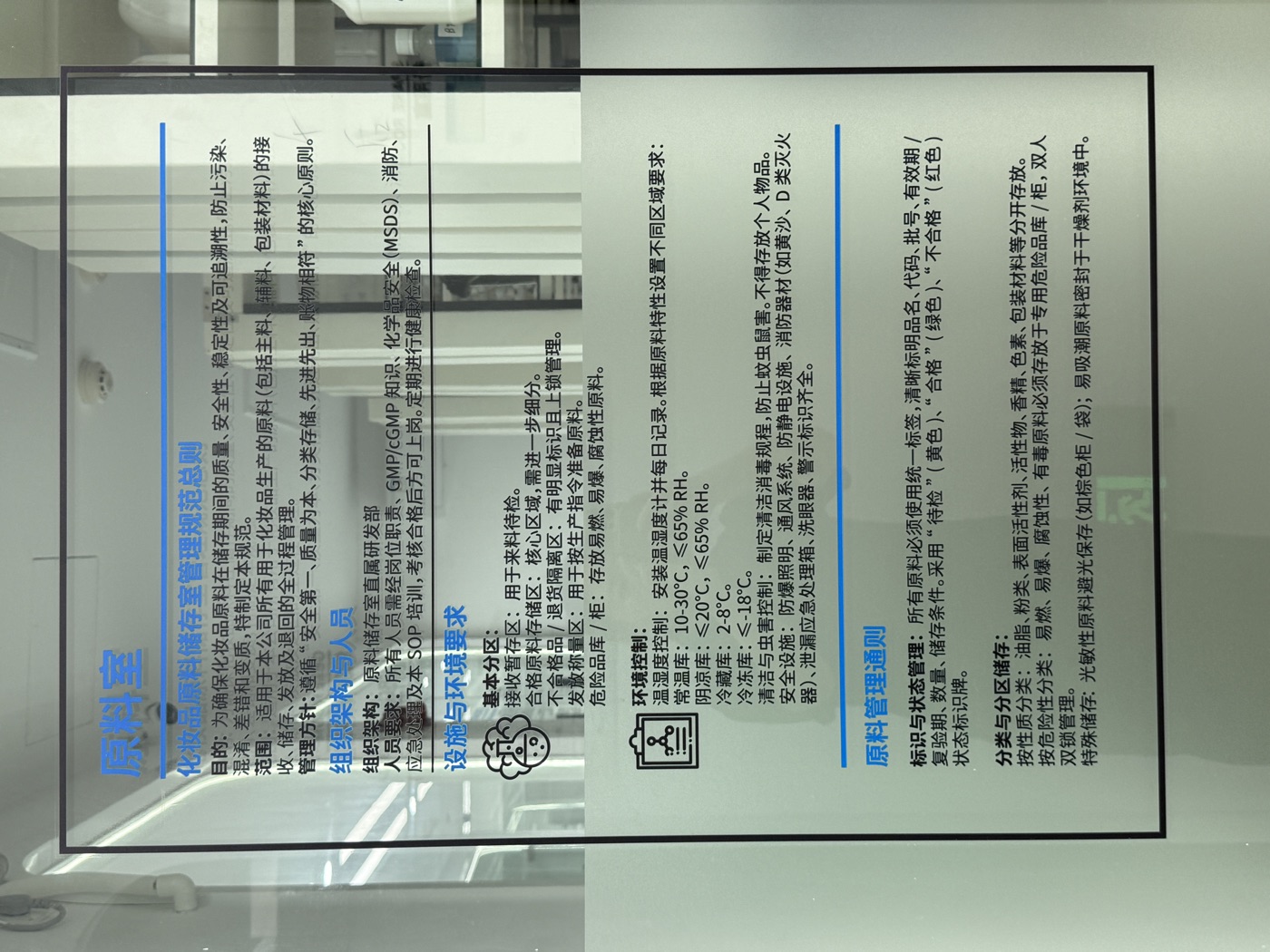
The certificates and data that support each notification come from the manufacturing side: a GMP or ISO 22716 quality certificate, the free sale certificate from the country of origin, the full ingredient list, label artwork compliant with the GSO standards, and the safety documentation. The full document checklist maps each item to the party that supplies it.
Before import, not after
The notification is a precondition, not a follow-up: cosmetic products must be listed through eCosma before they are imported for the Saudi market, and the products must comply with the Gulf standards — the GSO 1943 labeling requirements among them. Our GCC overview covers the labeling layer; sequencing the notification before production is booked avoids the worst case, which is finished goods waiting in customs for paperwork.
Who does what
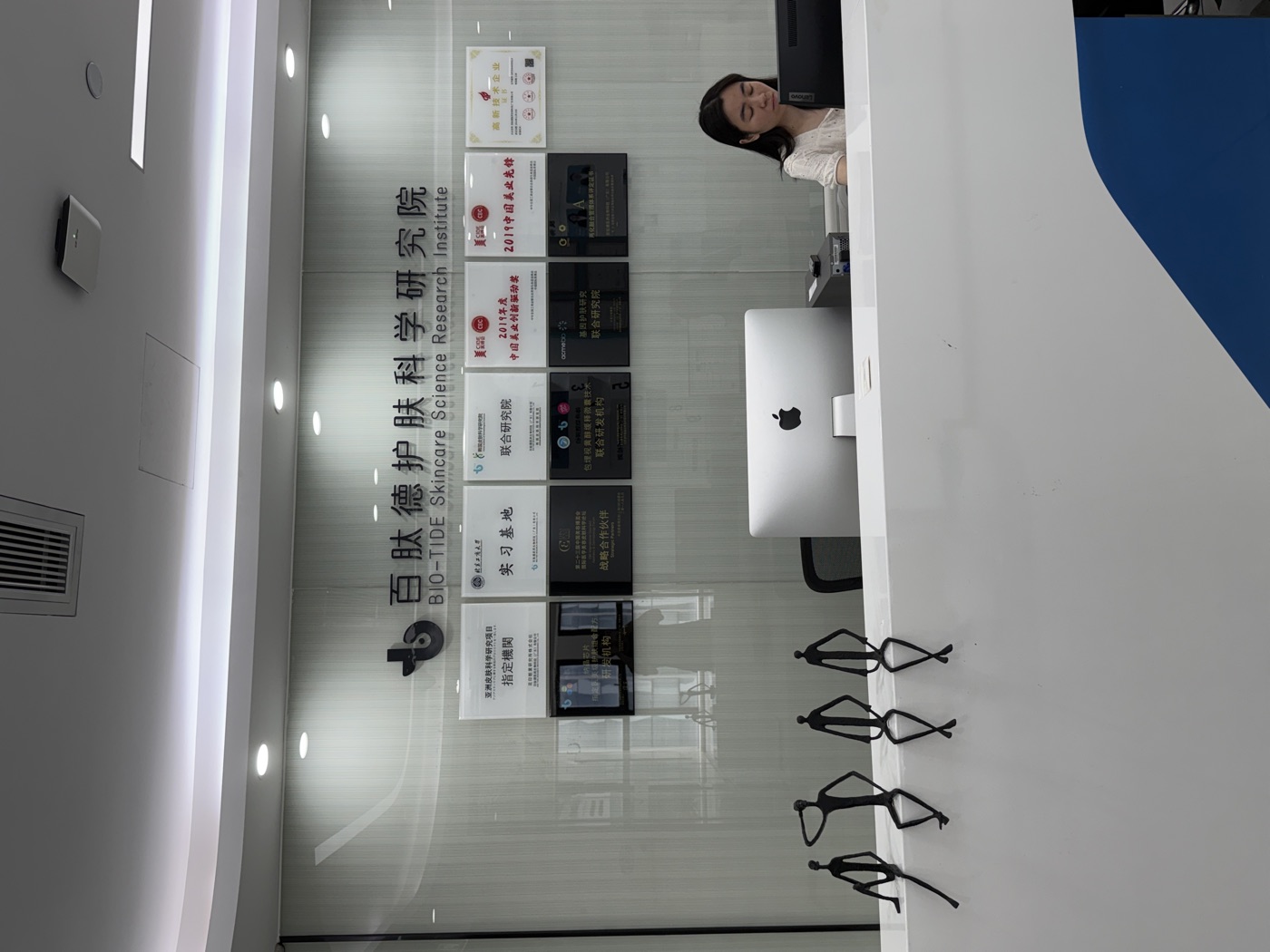
The notification is filed by the SFDA-registered establishment — your importer or local representative. A Chinese factory cannot hold the GHAD account or submit the notification; what it controls is whether the submission is clean. BIO-TIDE's compliance coordination covers producing the certificates and technical data the notification consumes — GMP and ISO 22716 certification, ingredient disclosure and stability documentation — so the importer's filing is clean from the start.
Frequently Asked Questions
Can our Chinese factory file the eCosma notification?
No. The notification must come from an establishment registered with SFDA in Saudi Arabia — your importer or appointed local representative. The factory's role is producing the certificates and data the filing contains.
Does every SKU need its own notification?
The notification is submitted per product through the Add New Product service in the cosmetics account. How shades and variants map to separate notifications depends on how the products are declared — confirm the grouping with your SFDA-registered representative before the filing.
How long does the notification take?
SFDA's published guidance describes the workflow rather than a fixed processing time, and timelines move — confirm the current handling period with your SFDA-registered representative before committing to a launch date.
What documents does the factory provide for the notification?
The quality certificates (GMP, ISO 22716), the full ingredient disclosure, product specifications and stability data. Those are the inputs the importer attaches to the eCosma submission alongside the free sale certificate and label artwork.
Saudi Arabia is one half of the Gulf entry map — our Middle East market page collects the region's entry points, and the UAE counterpart process is in the UAE compliance combination guide. To build a line whose notification file is ready from day one, talk to our team about sampling and documentation.