

Market and Channel
01 / MARKET
Define where the product will be sold, the target buyer and the planned launch channel before confirming the product route.
SKINCARE DEVELOPMENT FOR RUSSIA
Plan the formula, texture, packaging language, testing inputs and production route before sampling. BIO-TIDE helps growth brands turn a Russia-focused product brief into a workable development plan.
Start with the target market, sales channel, product format, sensory direction, packaging idea, expected quantity and launch window.
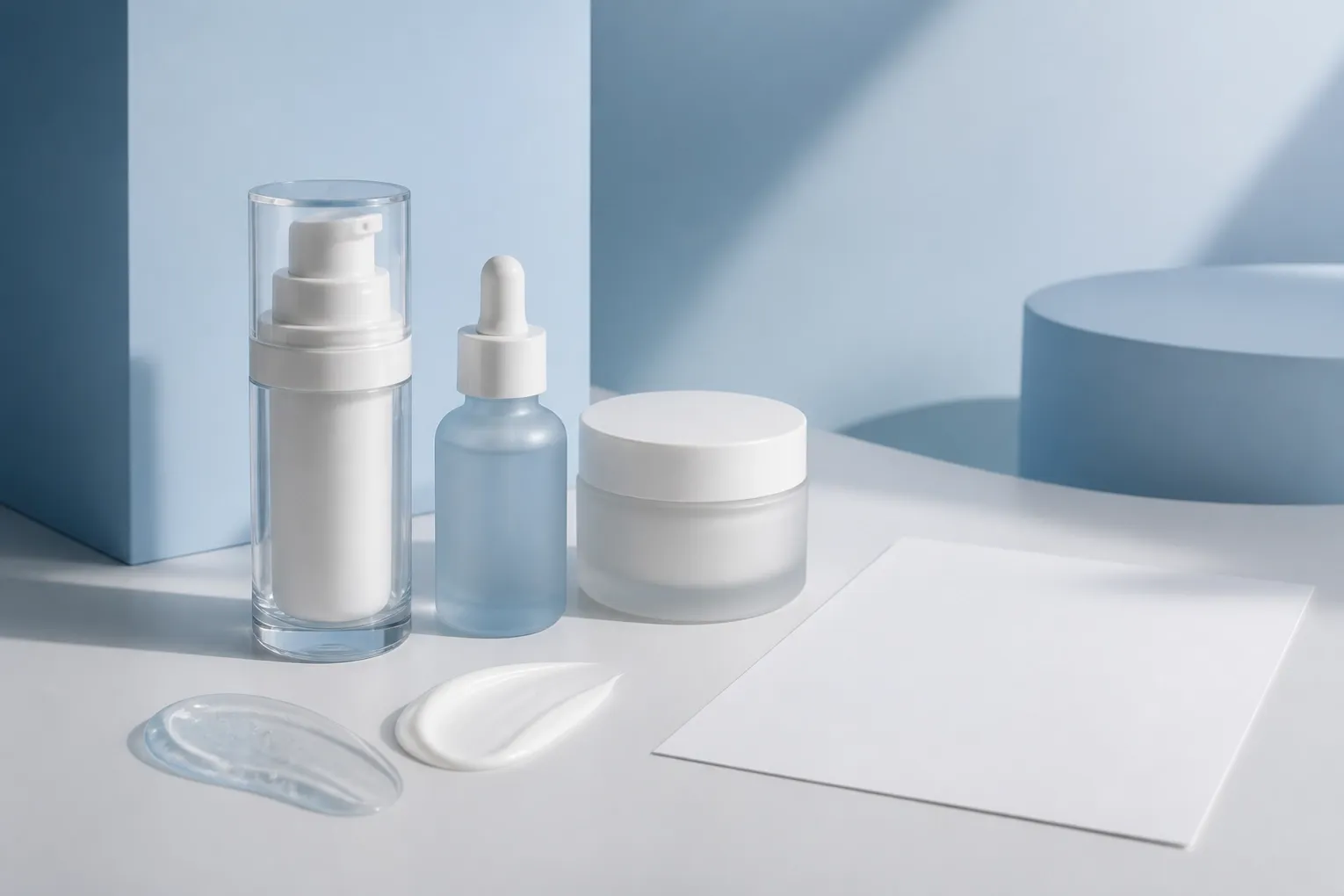
A structured starting point for formula, sensory, packaging and production discussions.
From market brief to formula and packaging decisions
BRIEF / FORMULA / PACK / TESTING
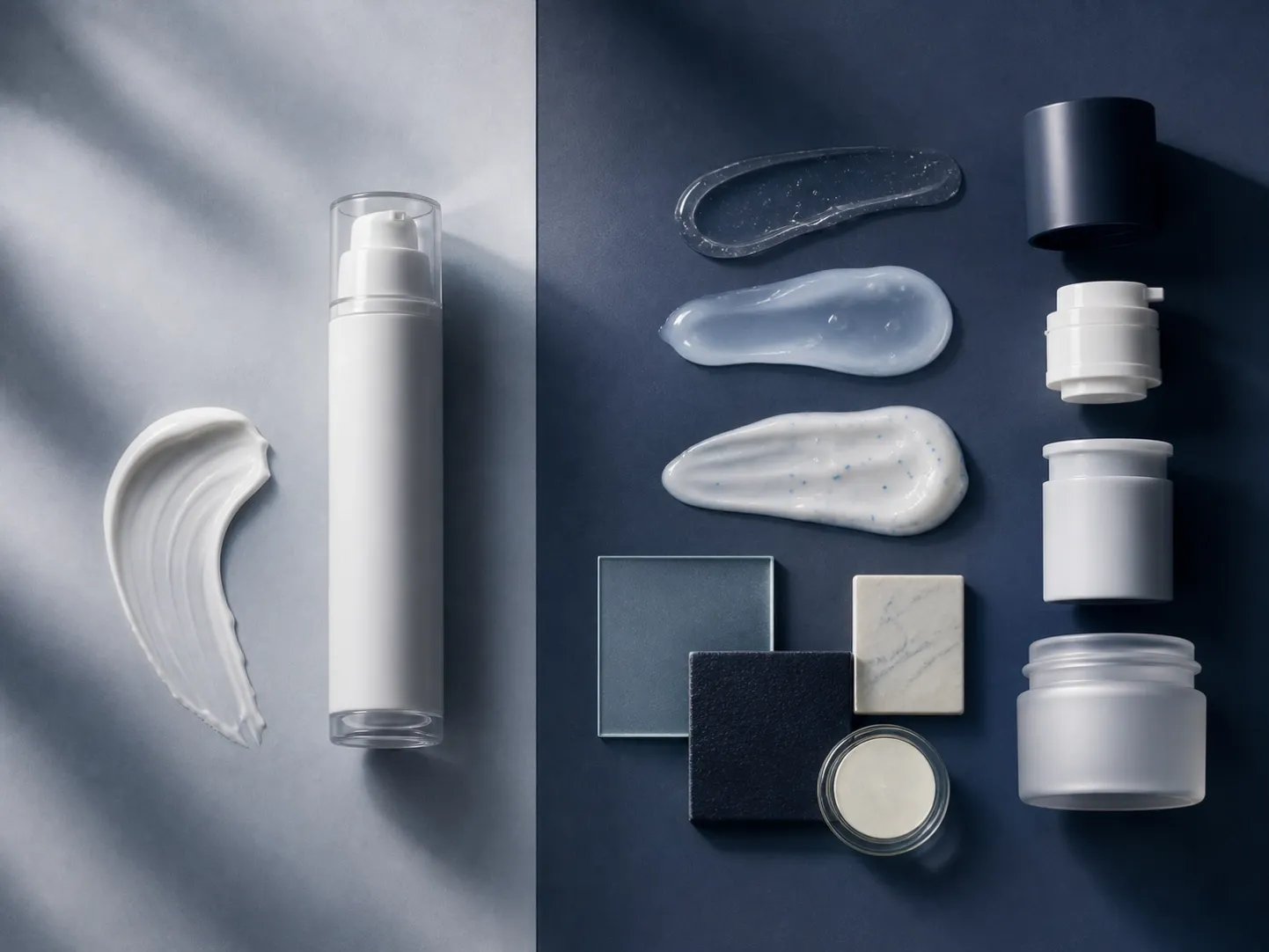
FORMULA STARTING POINT
Start from a relevant existing formula direction or scope a more differentiated development route.
The choice should follow the target format, sensory goal, packaging system, evidence needs and launch timetable—not a one-size-fits-all market assumption.
BEFORE DEVELOPMENT
Clear early decisions reduce avoidable sample rounds and keep the formula, packaging and timeline aligned.
01 / MARKET
Define where the product will be sold, the target buyer and the planned launch channel before confirming the product route.
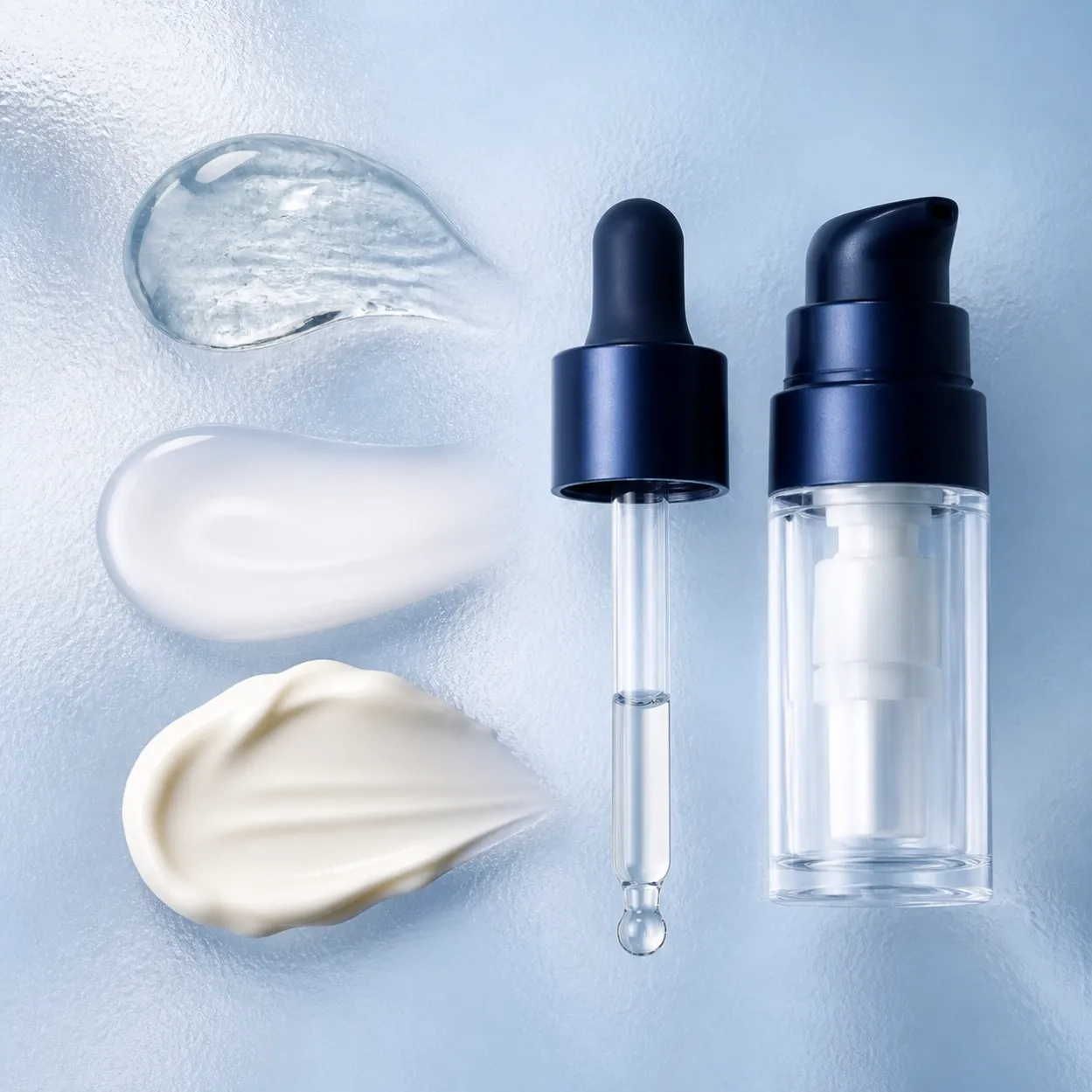
02 / PRODUCT
Clarify the product format, use scenario, texture, finish and the consumer experience the formula should support.
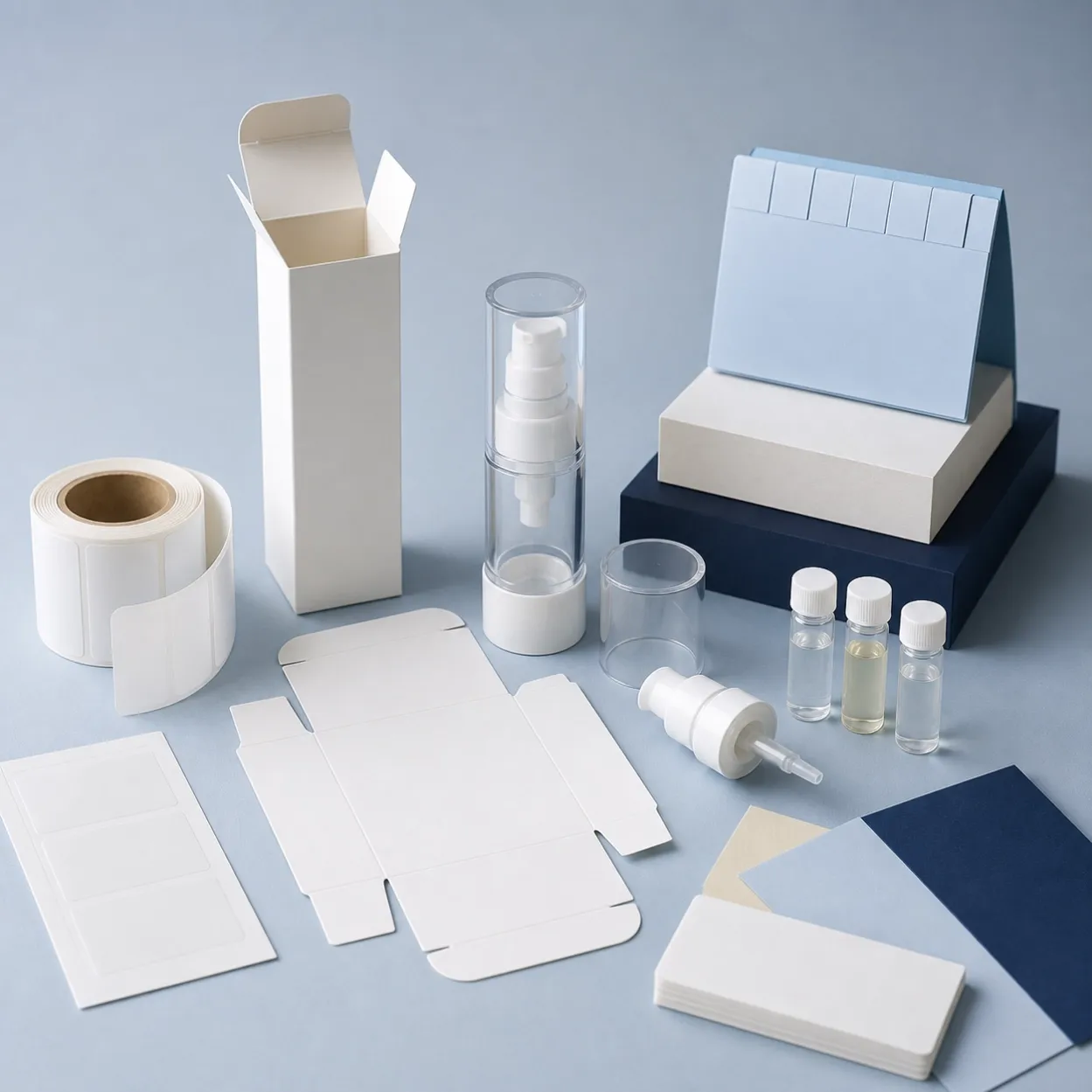
03 / DELIVERY
Align the primary pack, label language, testing inputs, expected quantity and launch window before sampling.
FIRST REVIEW
You do not need a finished formula specification. A clear first brief is enough to begin a structured discussion.
Name the target country, buyer and channel so the product route starts from a defined commercial context.
State the product type and intended fill size so formula and packaging discussions begin from the same format.
Describe who will use the product, when it will be used and the routine it should fit.
Share the intended texture, absorption, finish and after-feel instead of relying on broad benefit words.
Identify the primary pack, decoration direction and required label language before artwork decisions.
Give an expected quantity range and target launch window so timing and production options can be reviewed.
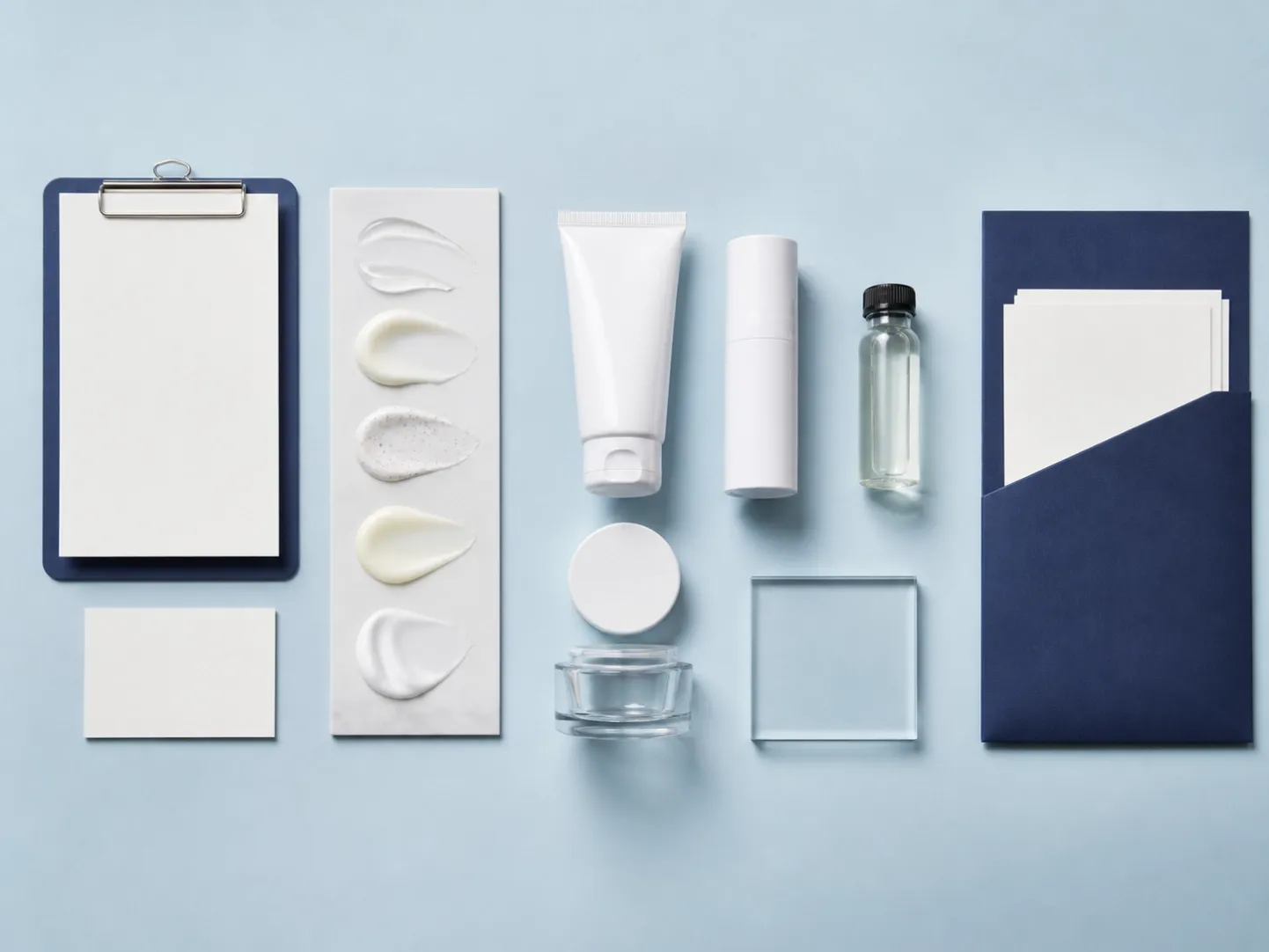
DEVELOPMENT WORKFLOW
Each stage closes a practical question before the next one begins, keeping formula, packaging and evidence inputs aligned.
Confirm the market, channel, format, sensory target, pack idea, quantity and timing.
Decide whether to begin from an existing formula direction or scope a differentiated route.
Translate the brief into compatible formula, texture, fill-size and packaging decisions.
Identify testing inputs, artwork dependencies, production assumptions and timing risks.
Summarize open questions and the evidence needed before the next commitment.
PROJECT CHECKPOINTS
A useful first review should make the next decision clearer without promising an outcome before the inputs are known.
NEXT STEPS
Use these internal routes to review formula development, case studies, testing support or begin a Russia-focused project brief.
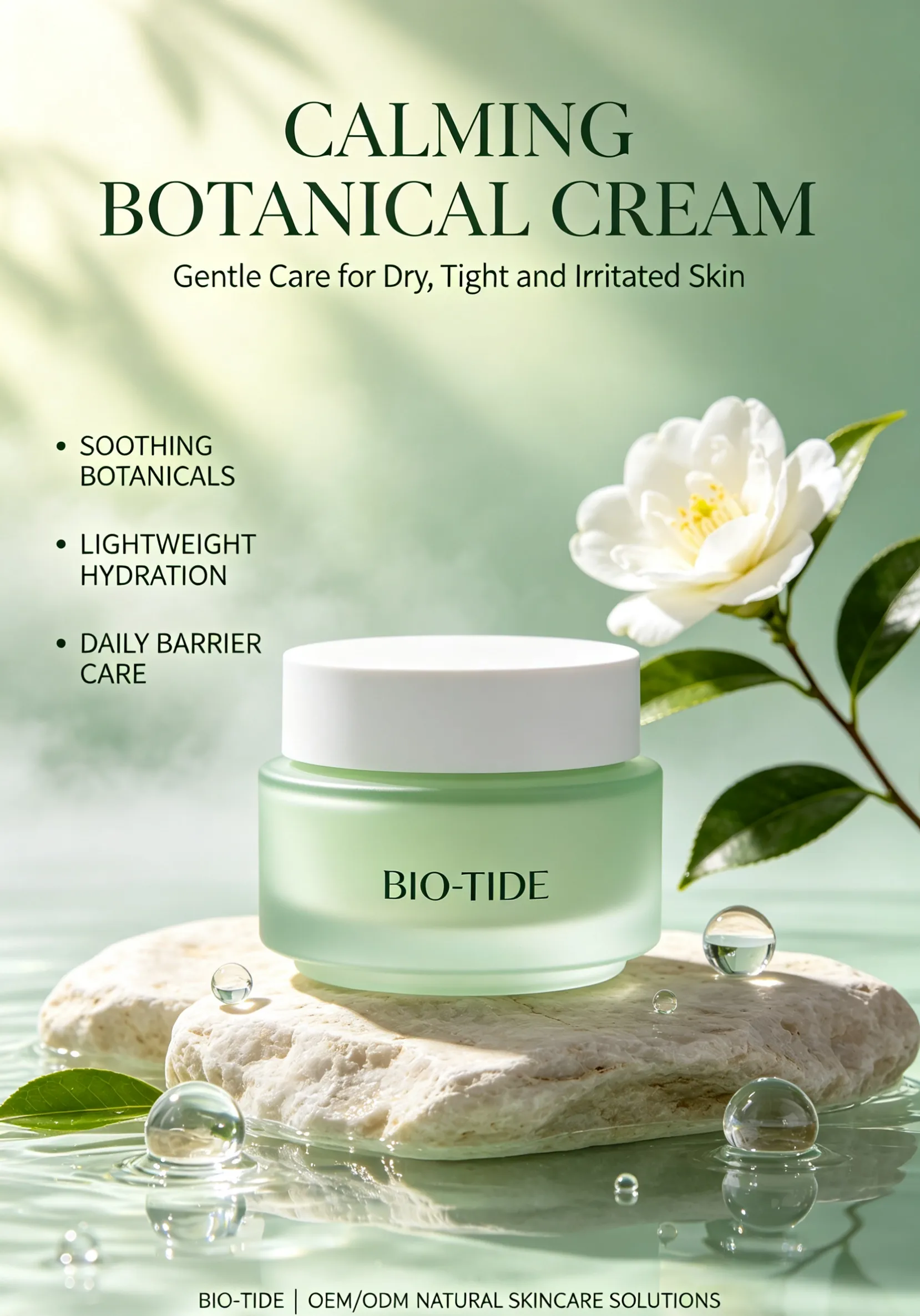
Review how a formula brief becomes a structured development discussion.

Explore product directions and examples already available on the website.
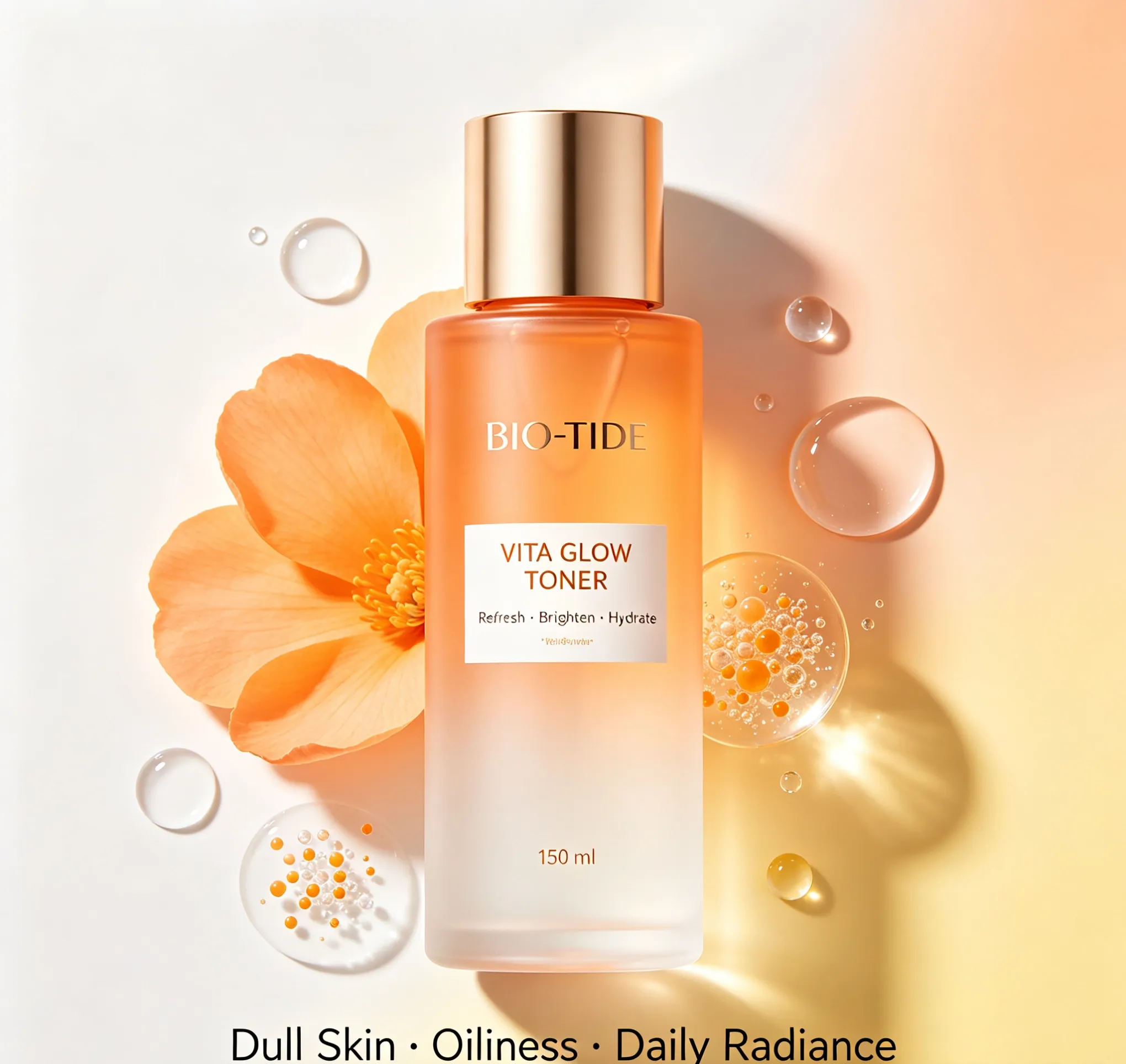
Review testing and documentation support before claims or timing are assumed.
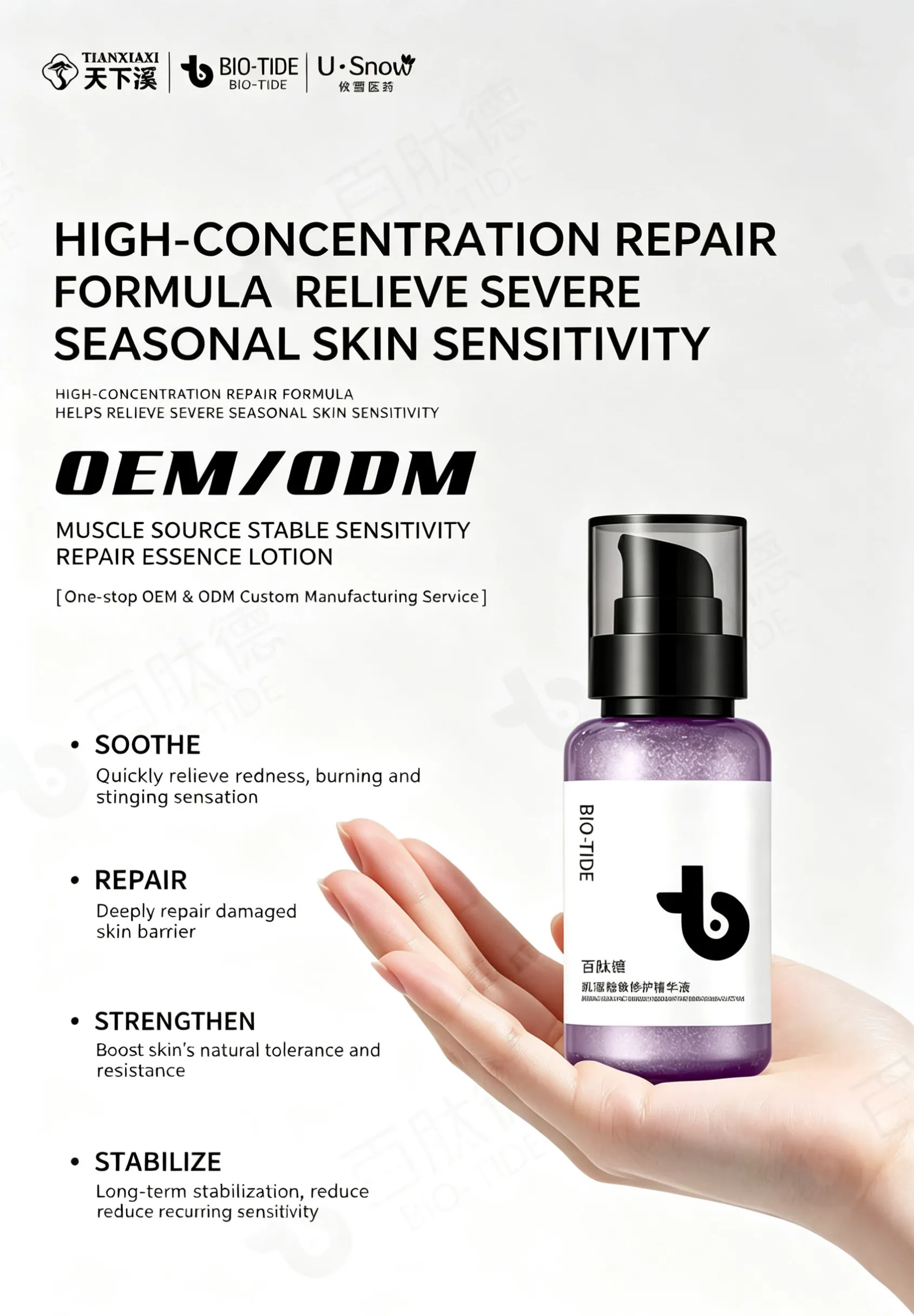
Send the six inputs needed to begin a Russia-focused project conversation.