Daily skincare
AMINO PEPTIDE CLOUD CLEANSING MOUSSE
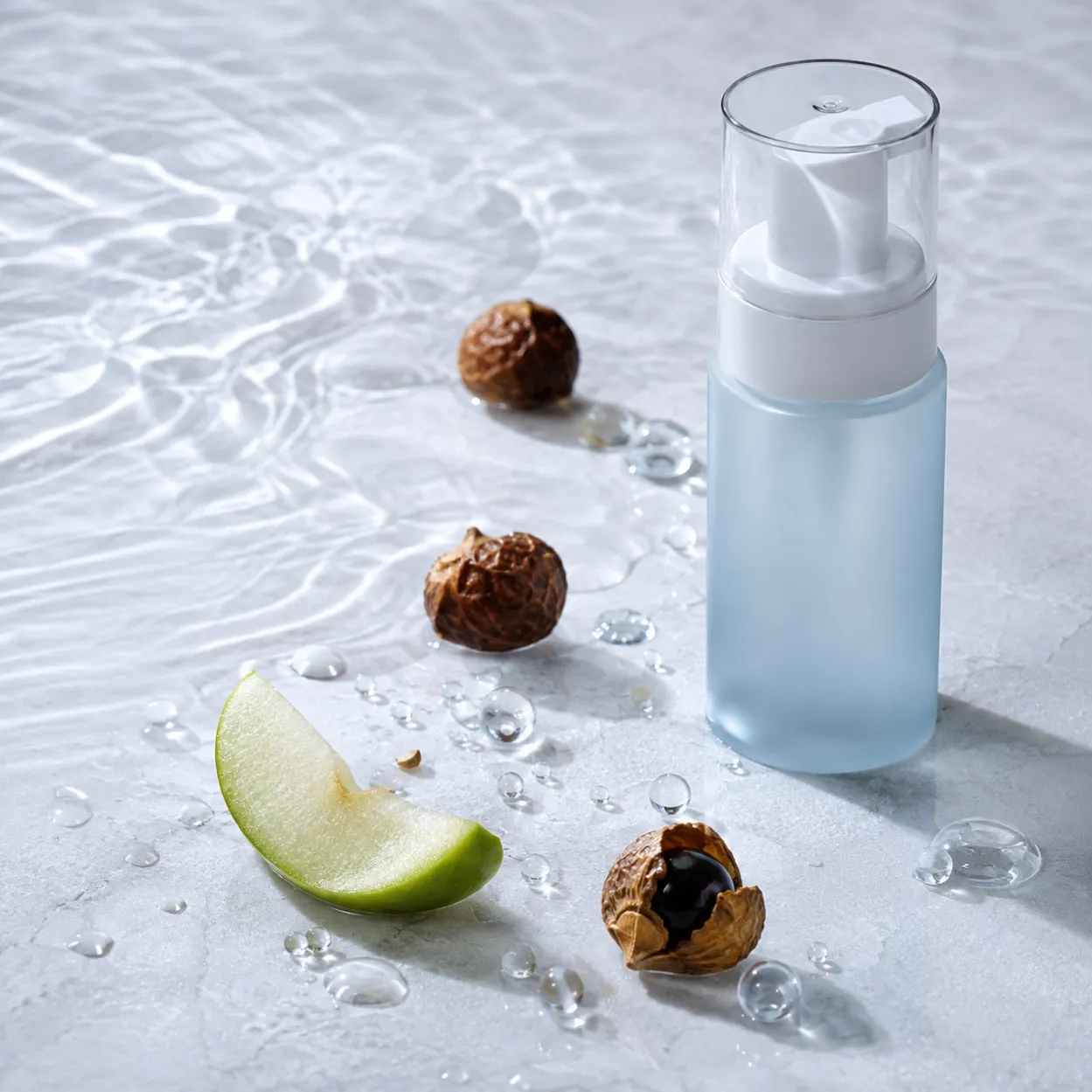
A ready-to-dispense facial cleansing mousse concept for daily-care lines, combining sodium cocoyl apple amino acids with sodium lauroamphoacetate, cocamidopropyl betaine and soapberry extract in a fine-foam format, supported by glycerin, hydrogenated starch hydrolysate and oligopeptide-1.
Specifications
- Brand
- BIO-TIDE
- Product Format
- Ready-to-Dispense Facial Cleansing Mousse
- Cleansing System
- Sodium Cocoyl Apple Amino Acids + Sodium Lauroamphoacetate + Cocamidopropyl Betaine
- Botanical Support
- Soapberry Fruit Extract
- Moisture-Supporting Ingredients
- Glycerin + Butylene Glycol + Hydrogenated Starch Hydrolysate
- Peptide Direction
- Oligopeptide-1
- Foam Profile
- Fine Pump-Generated Mousse
- Packaging Direction
- Foamer Pump Bottle
- Suggested Use
- Daily Facial Cleansing
- Application
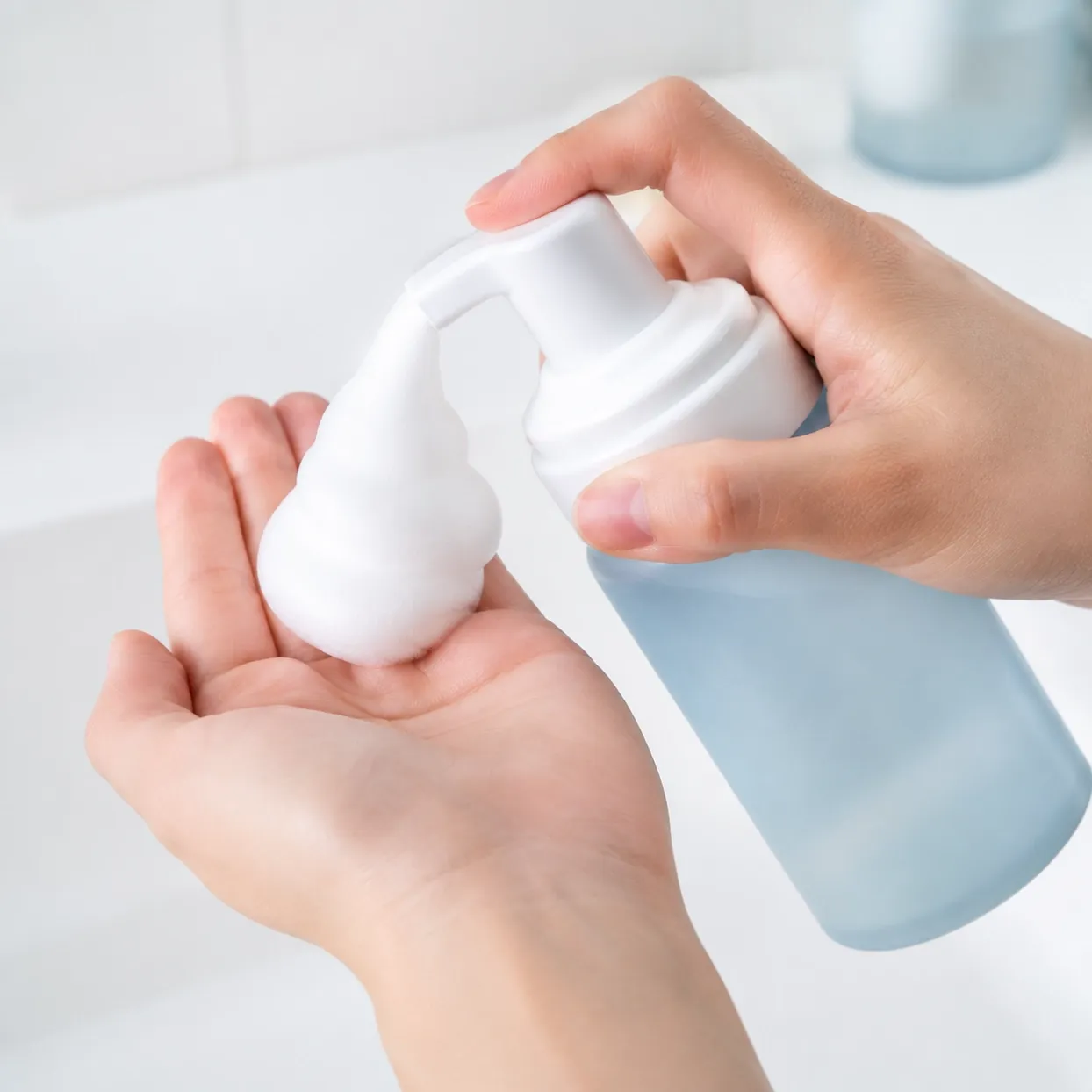
- Dispense onto dry hands and face, massage gently for about one minute, then rinse thoroughly
For a daily cleanser range that needs speed without flattening the sensory story, this concept arrives as foam before it touches the face. Sodium cocoyl apple amino acids, sodium lauroamphoacetate and cocamidopropyl betaine form the cleansing system; soapberry extract supports the botanical direction, while glycerin and hydrogenated starch hydrolysate keep the brief focused on a comfortable rinse.
The pump is part of the formula brief
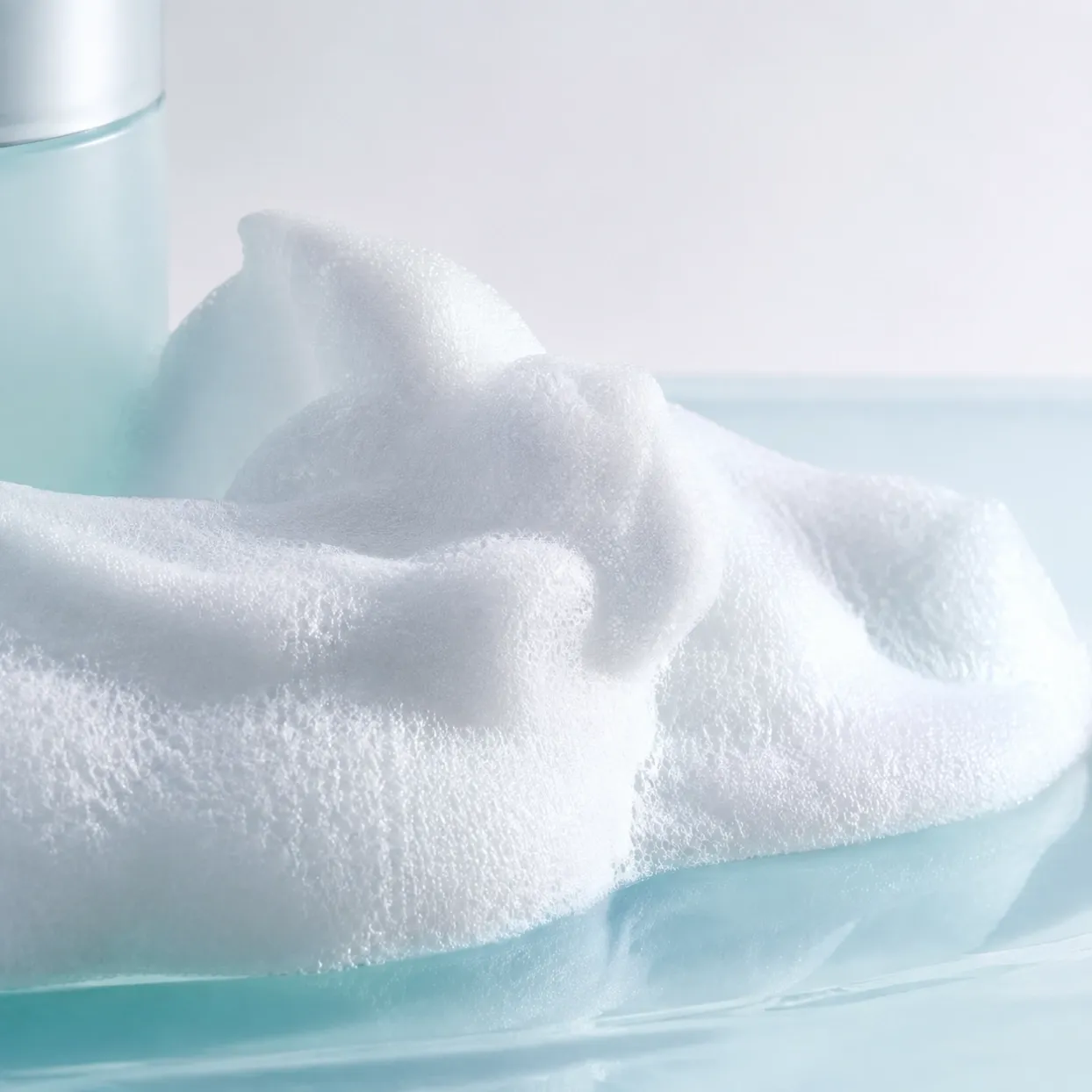
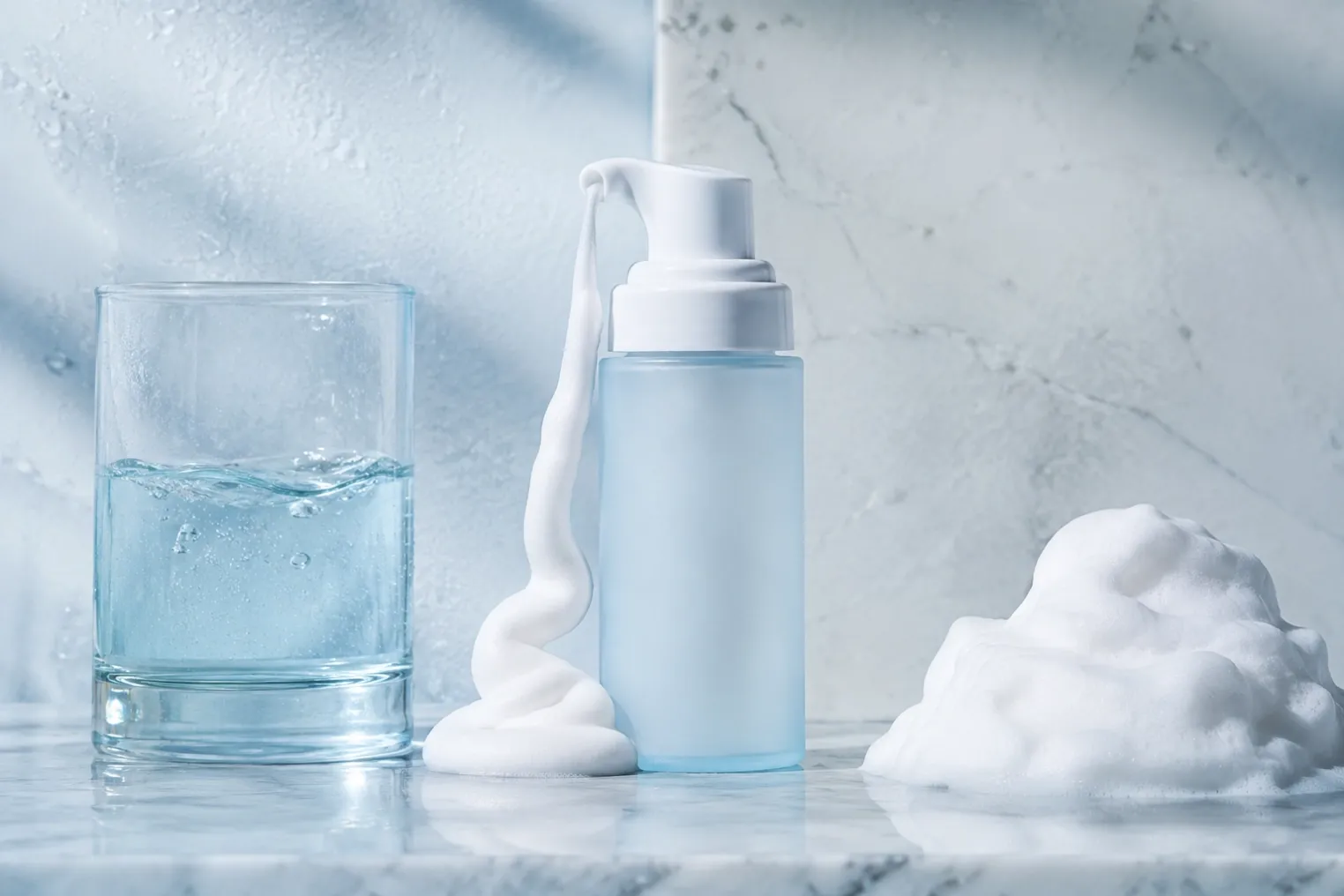
The useful review begins before application. Liquid viscosity, foamer mesh and pump recovery all influence whether one press produces a compact cloud or loose bubbles. During sampling, the bottle and formula should therefore be judged as one system: dose, foam hold, glide and rinse need to remain consistent through repeated dispensing.
One-pump dose — enough coverage without encouraging excess product.
Foam definition — bubble size and hold during a one-minute massage.
Rinse character — clean removal without a heavy after-film.
Pack compatibility — pump return, leakage control and repeat dispensing.
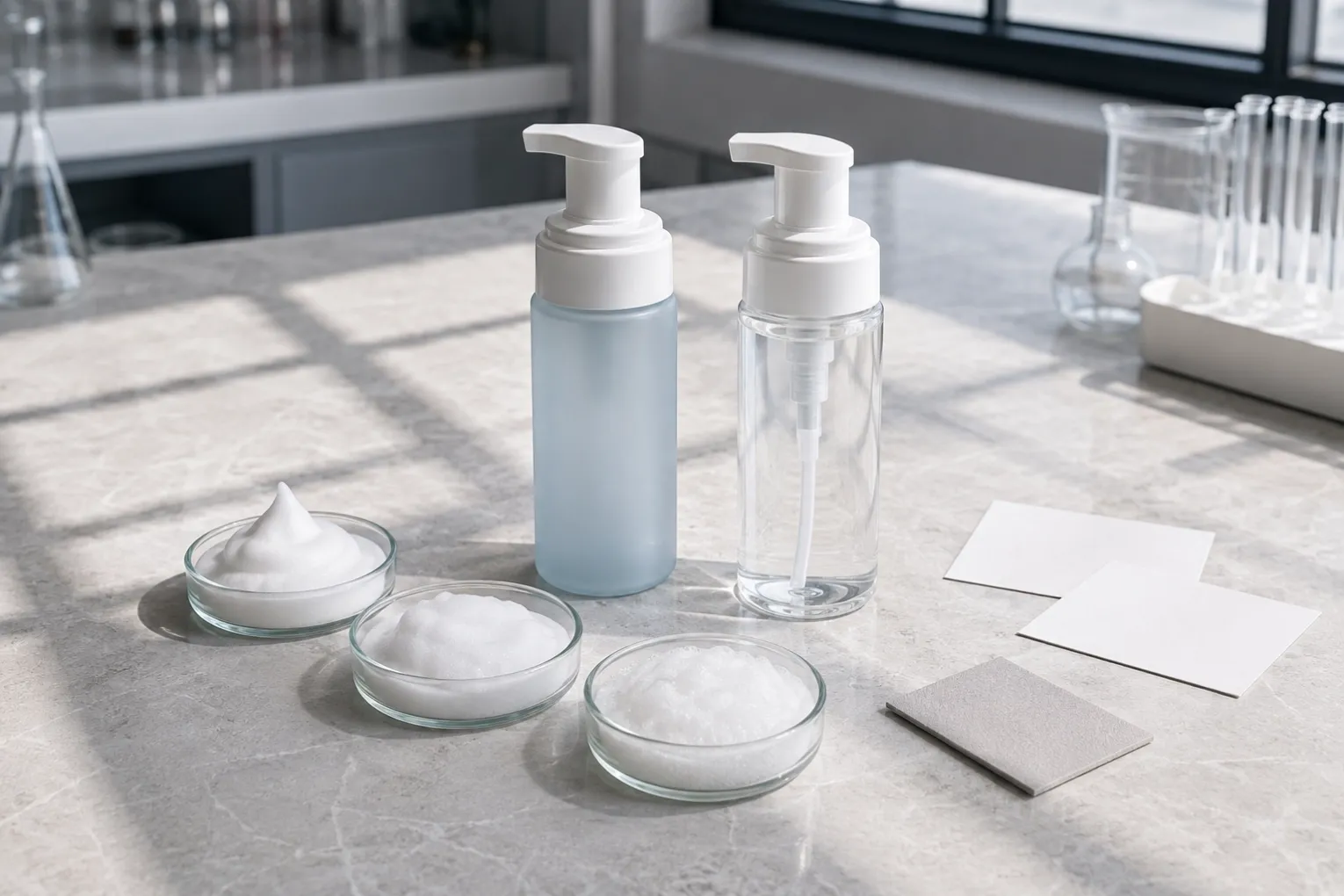
Glycerin, butylene glycol, hydrogenated starch hydrolysate, soapberry extract and oligopeptide-1 give the ingredient story more depth, but the finished copy does not need to overstate them. For a buyer, the more useful question is how the mousse feels from first press to final rinse and whether that experience remains credible for the destination market.
A quiet format with broad shelf reach
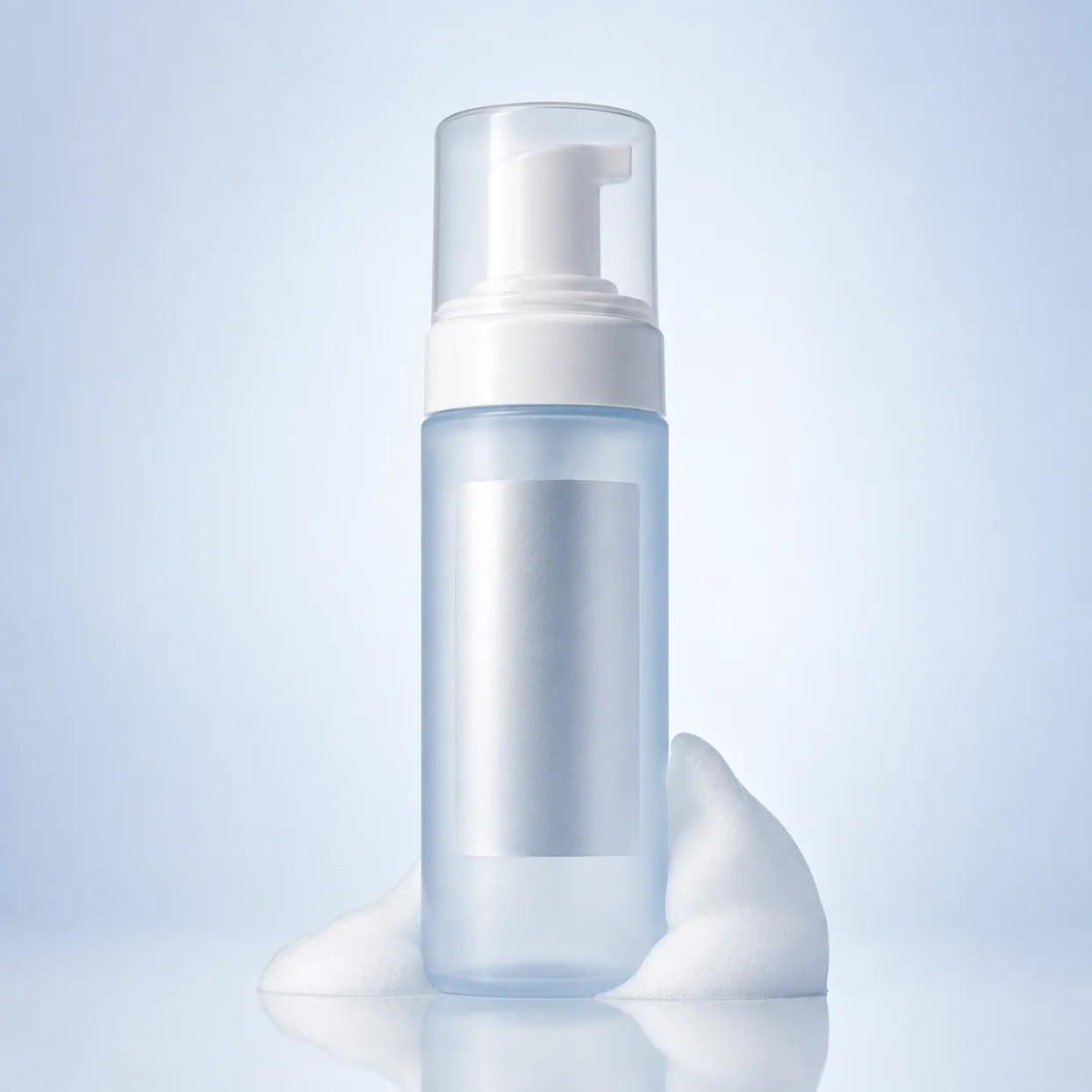
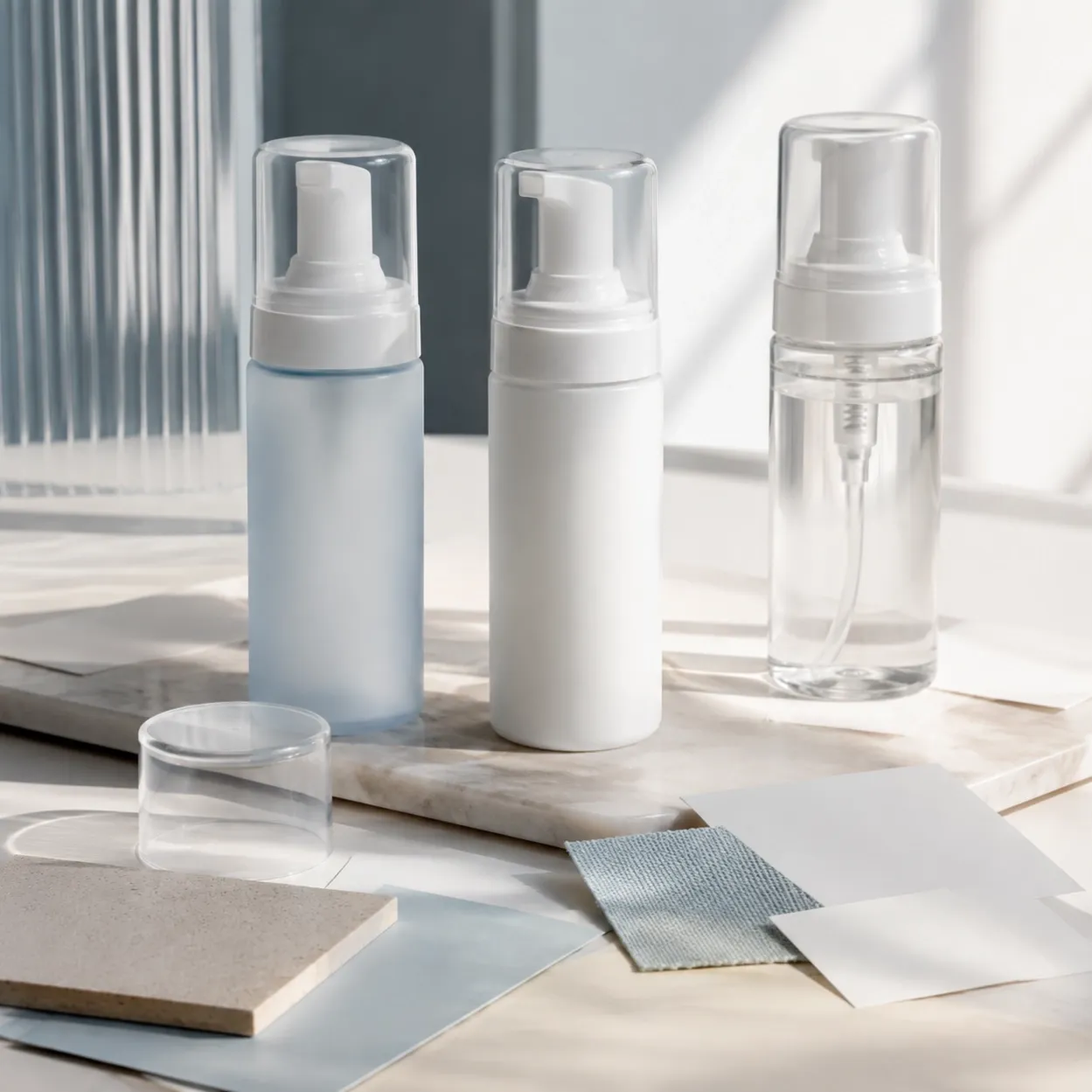
An ice-blue frosted bottle gives the concept a cool daily-care character; a pearl-white or clear pack can move it toward family, travel or minimalist ranges. The ready-made mousse also gives it a different shelf and usage identity from a cream cleanser or a shake-to-activate bi-phase foam.
Request a sample brief with your target market, preferred foam density, rinse finish and foamer pack. BIO-TIDE can turn those four decisions into a focused development route and keep formula sensory review tied to the selected dispenser.