Daily skincare
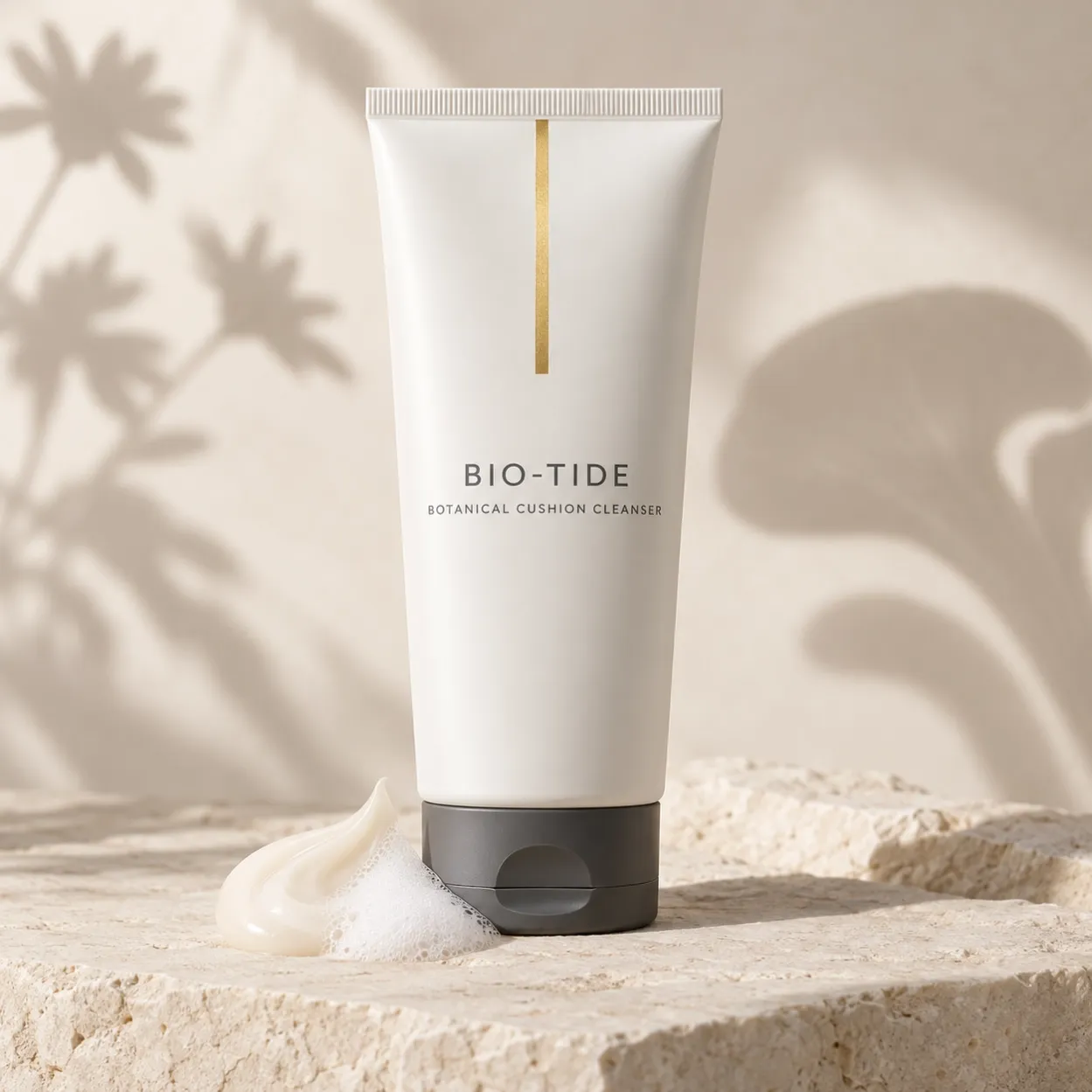
BOTANICAL COMFORT CUSHION CLEANSER
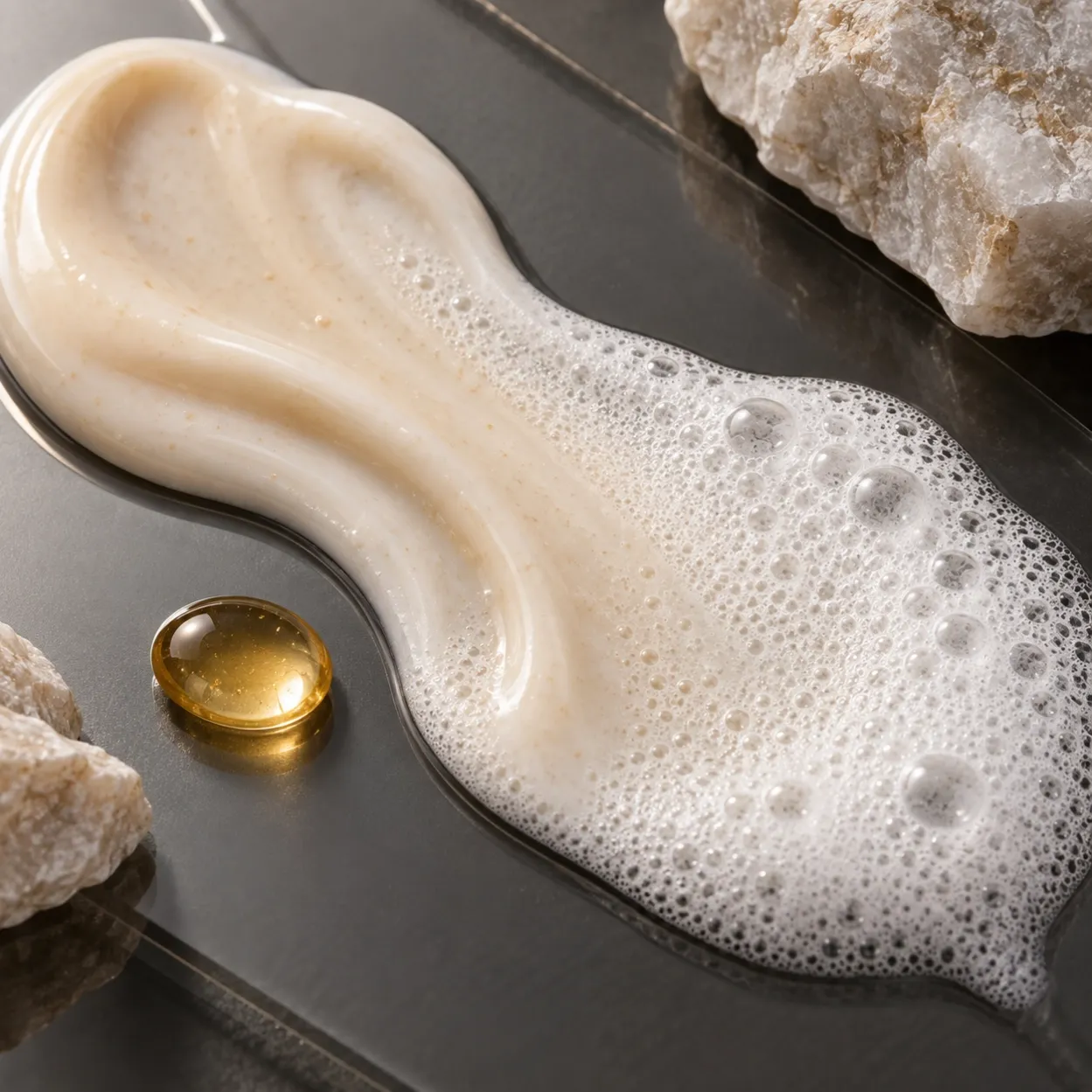
A lotion-to-foam facial cleanser for brands developing comfort-led daily-care ranges. Sodium laureth sulfate is balanced with cocamidopropyl betaine and cocamide DEA, while glycerin, butylene glycol, honey, sweet potato root and three botanical extracts support a softer product story and a cushioned wash experience.
Specifications
- Brand
- BIO-TIDE
- Product Format
- Lotion-to-Foam Facial Cleanser
- Primary Cleansing Ingredient
- Sodium Laureth Sulfate
- Amphoteric Support
- Cocamidopropyl Betaine
- Foam Support
- Cocamide DEA
- Moisture-Supporting Ingredients
- Glycerin + Butylene Glycol
- Botanical Direction
- Feverfew + Black Ganoderma + Bupleurum Root + Sweet Potato Root + Honey Extract
- Texture Support
- Glycol Distearate + PEG-150 Distearate + PEG-7 Glyceryl Cocoate
- Foam Direction
- Soft, cushiony lather with adjustable density
- Intended Use
- Daily facial cleansing in comfort-led skin-care ranges
- Packaging Direction
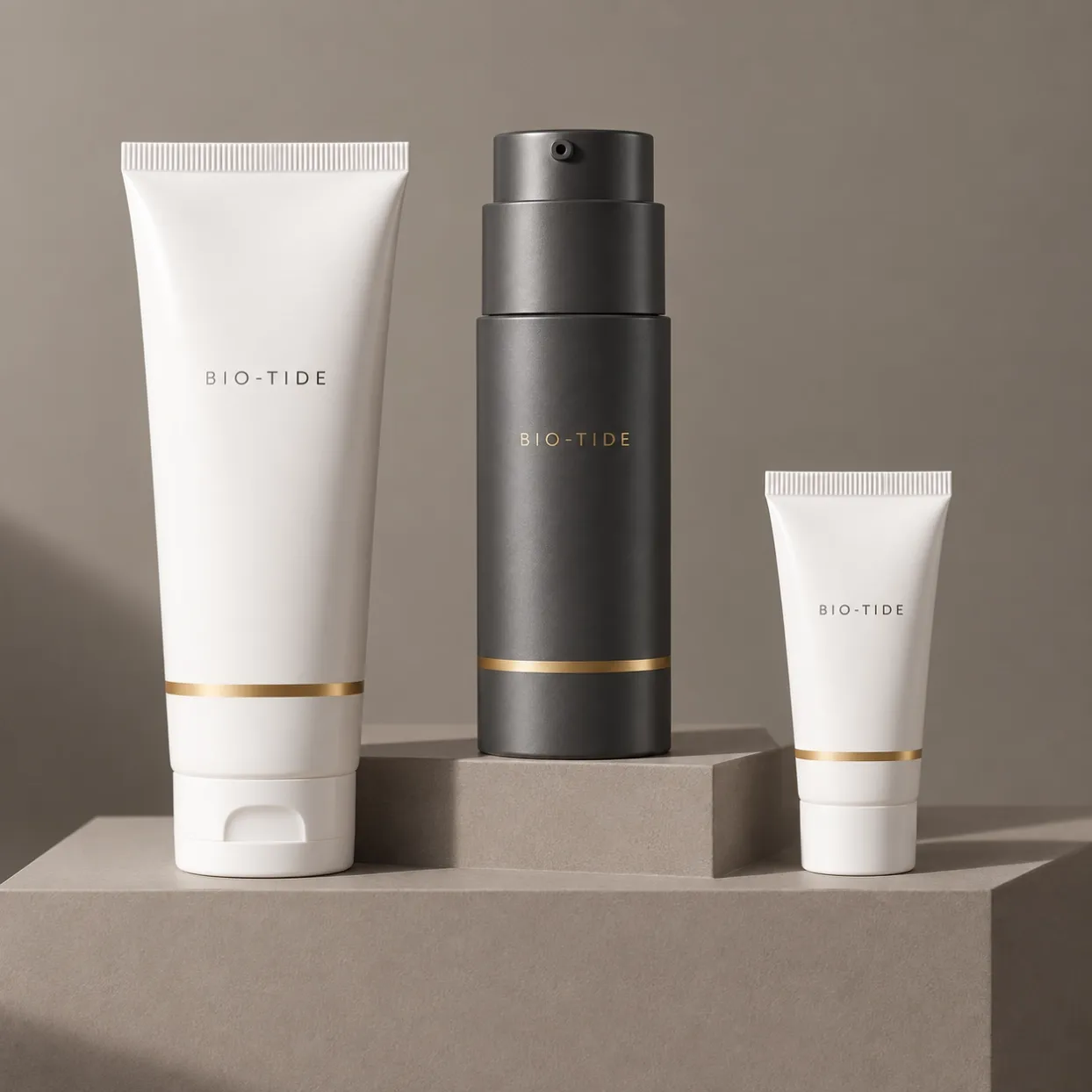
- Squeeze tube or pump bottle, subject to compatibility review
- Application
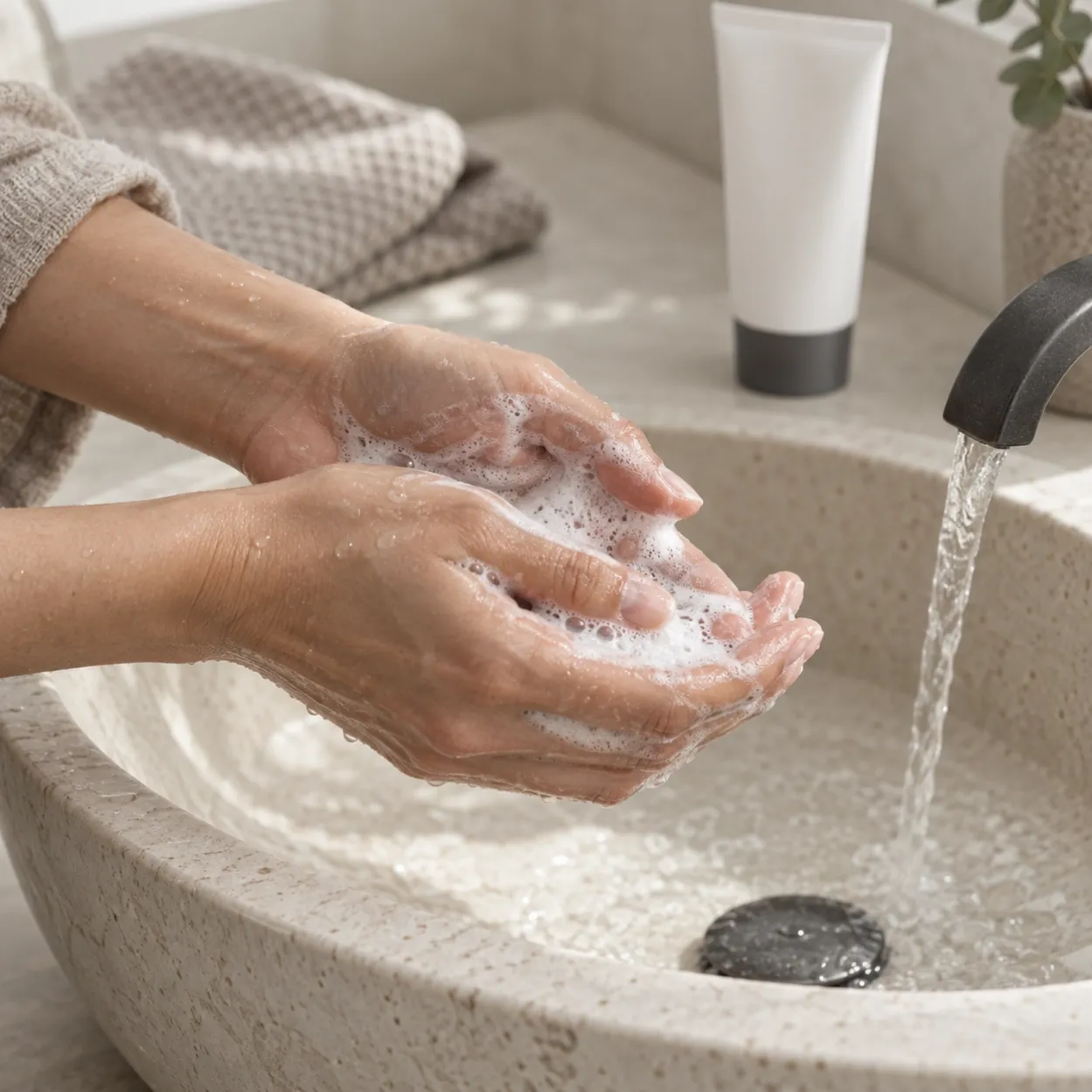
- Work a soybean-sized amount with water for about 10 seconds, massage damp facial skin for 20–30 seconds while avoiding the eye area, then rinse thoroughly
Not every daily cleanser needs to compete on maximum foam. For a comfort-led range, the more useful question is whether the product feels easy at each moment: it should leave the pack cleanly, build a soft cushion with water, move across damp skin without drag and rinse to the after-feel the brand has chosen.
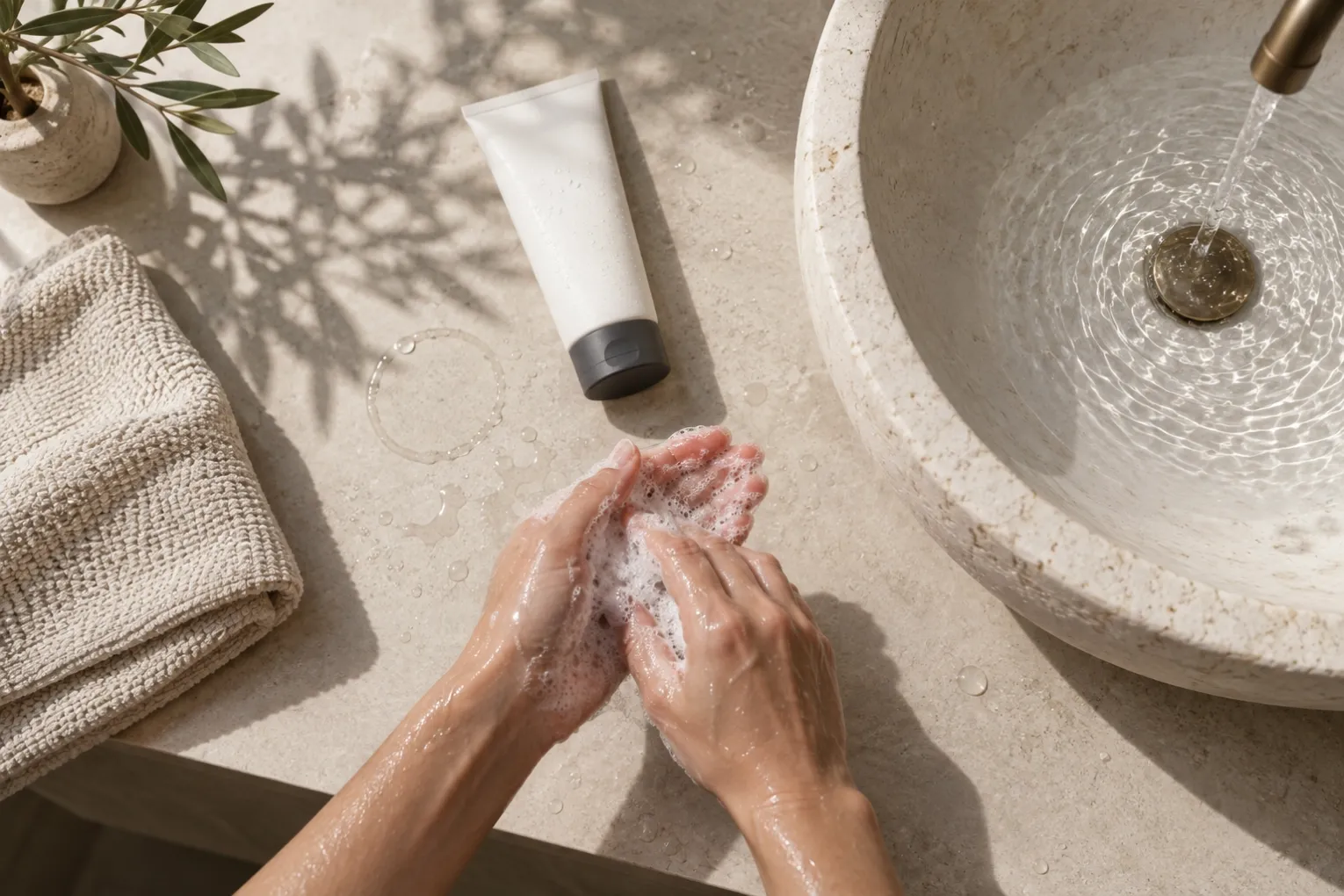
A cleanser brief built around the after-feel
The supplied system combines sodium laureth sulfate with cocamidopropyl betaine and cocamide DEA. That gives the development brief three practical levers—foam density, cleansing character and rinse speed—while glycerin, butylene glycol and PEG-7 glyceryl cocoate help shape slip and the conditioned feel. The exact balance should be judged against the buyer’s benchmark rather than a generic ‘gentle’ promise.
Three decisions to settle before the first sample
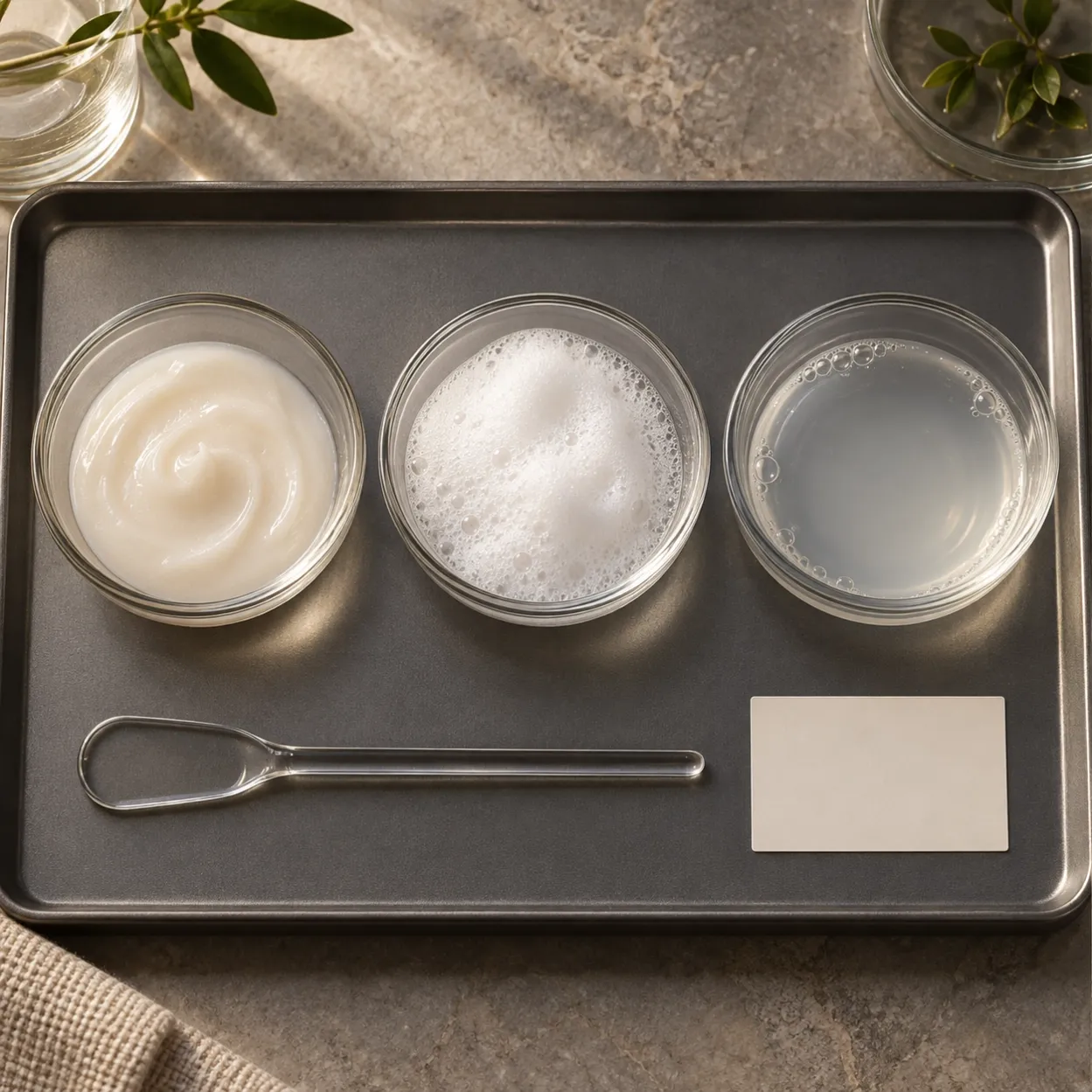
Foam style — choose between a low, creamy cushion and a more visible lather, then evaluate bubble size and collapse during the 20–30 second massage window.
Rinse target — define whether the finish should feel very clean, lightly conditioned or somewhere between, and record drag and film after rinsing.
Claim boundary — use the botanical blend as a formulation and brand-story direction; retain only claims supported by the approved formula, testing and target-market label review.
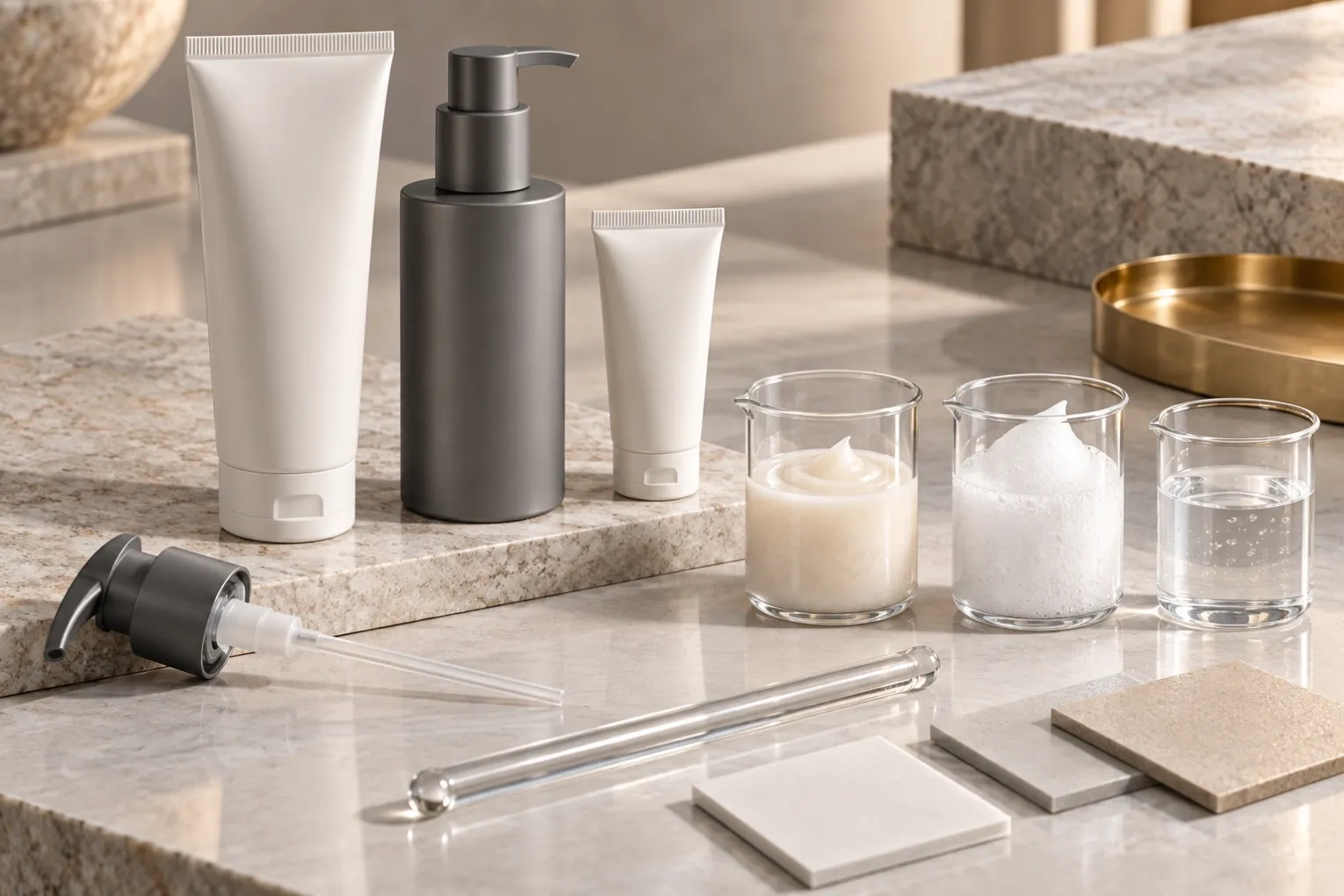
Where the botanical story belongs
Feverfew, black ganoderma and Bupleurum root extracts create a calm botanical direction, while honey and sweet potato root extracts broaden the moisture-supporting ingredient story. For a B2B buyer, their value is not an exaggerated treatment promise; it is the ability to connect ingredient selection, fragrance, pack graphics and after-feel into one coherent daily-cleansing concept.
Packaging should follow the viscosity
Glycol distearate and PEG-150 distearate support the creamy visual and flow profile described in the source. A squeeze tube can make the lotion format familiar and controlled, while a pump can move the same brief toward basin-side family or premium daily care. Orifice size, pump output and cap cleanliness should be reviewed with the selected sample rather than after artwork is finalized.
A simple basin-side routine
Wet the hands and face, work a soybean-sized amount with water for about 10 seconds, then massage over damp facial skin for 20–30 seconds while avoiding the eye area. Rinse thoroughly. These timings come from the supplied product card; market copy can be checked against the approved finished formula before artwork is locked.
What to send for the first sample
A useful starting pack includes the desired foam level, rinse character, fragrance direction, pack format and two reference cleansers. Request a first-round sample brief that turns those choices into review points your team can score.