Market & Brand Development
COA, SDS and CFS: The Three Documents to Request Before Committing to a Skincare Factory
COA proves the batch, the SDS documents the formula, the CFS proves legal sale at origin. Three documents to request from a skincare factory before you commit — and the red flags to watch.
Before committing to a skincare manufacturer, ask for three documents: the Certificate of Analysis, the Safety Data Sheet and the Certificate of Free Sale. Each one answers a different question — the COA proves the batch, the SDS documents the formula's safety information, and the CFS proves the product is legally sold in its country of origin. A factory that produces all three promptly and cleanly is showing you its quality system, not just its paperwork.
COA: what the batch actually tested
The Certificate of Analysis is issued per production batch and reports the results against the product specification — microbiological counts, pH, heavy metals and the other agreed parameters. The operative word is batch: a COA tied to your batch proves your goods were tested, while a generic template with no batch reference proves nothing. When the COA arrives, check that the batch number matches the goods and that the tested parameters are the ones your specification defines.
SDS: the formula's safety information
The Safety Data Sheet follows the 16-section GHS format — identification, hazard classification, composition, first aid through handling, storage, toxicology and regulatory information. Section 16 carries the revision date, which makes it easy to check whether the SDS is current or predates a formula change. Finished cosmetics are regulated as cosmetics in most frameworks rather than as chemicals, yet importers routinely request the SDS — particularly where raw-material safety data or workplace handling is concerned. China's national standard GB/T 16483 defines the content and order of the sections for suppliers preparing them domestically.
CFS: proof of legal sale at origin
The Certificate of Free Sale certifies that the products are freely sold in the country of origin without restriction. Destination markets use it for customs, registration and market-access files — it appears in the Saudi SFDA document pack and in Russian import filings alike. For Chinese exporters, the CFS is commonly issued through the Commercial Certification Center of CCPIT, the China Council for the Promotion of International Trade. Ask the factory which authority issues theirs and how long the certification takes, because destination registrations are often built around the CFS details.
Red flags when you request the three
Three responses deserve caution. Refusal or delay on the COA suggests the batch testing is thinner than the sales story. An SDS that predates the current formula means the safety documentation has not been maintained. And a CFS covering products with no domestic sales record invites trouble at destination registration, where authorities can check. None of these is proof of a bad factory by itself — but each one shifts the burden of doubt onto the supplier, before your money is on the table.
How the documents are produced
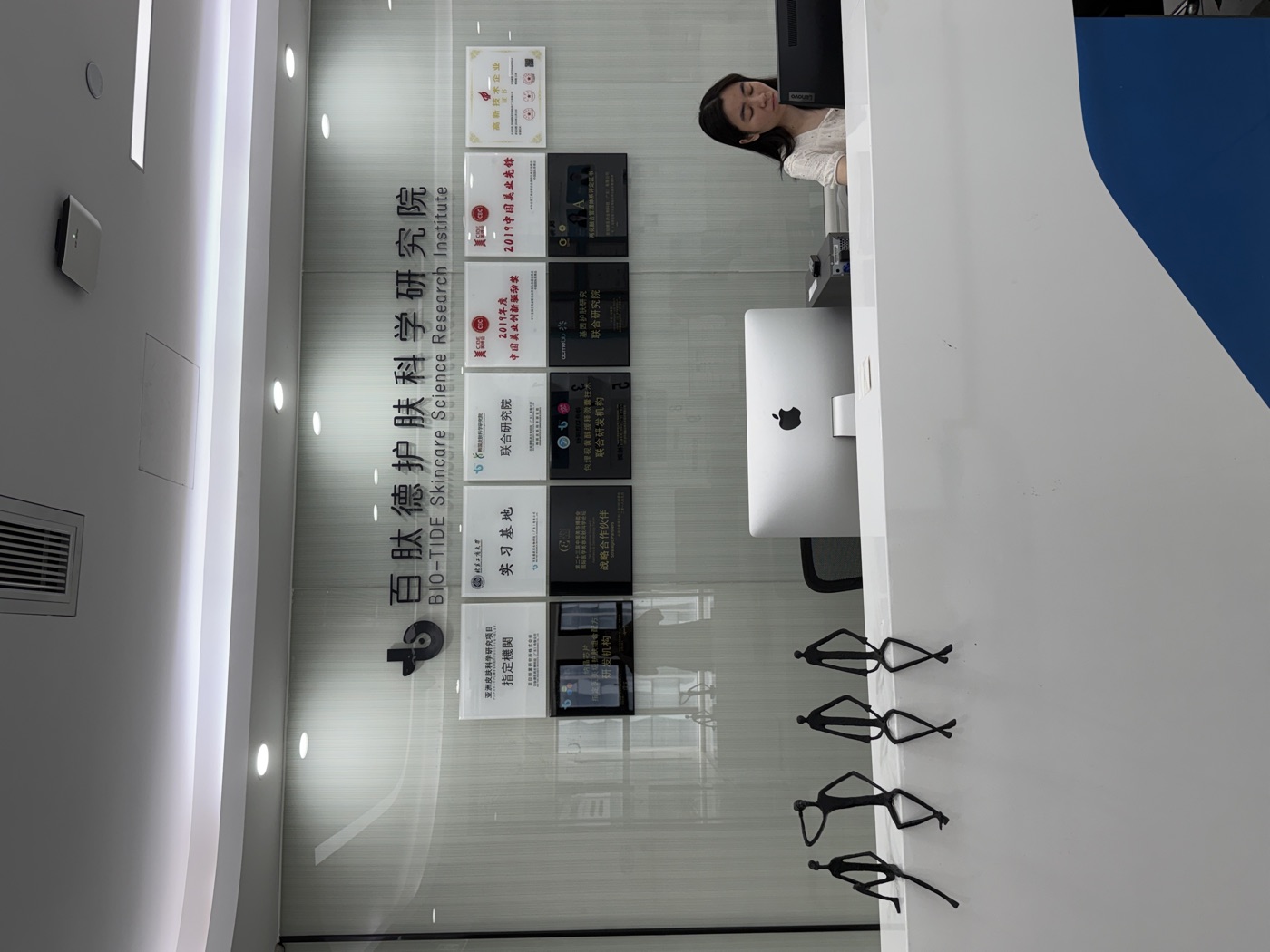
The COA comes from the factory's quality control on each batch; the SDS is drafted from the formula by the manufacturer; the CFS is certified by a trade authority. BIO-TIDE provides batch COAs, formula SDS and coordinates CCPIT certification of free-sale documents as part of the export documentation set — alongside the GMP and ISO 22716 certificates that registration files in markets like Saudi Arabia and Russia also reference. The quality system behind those documents is described in our quality agreement guide.
Frequently Asked Questions
Are a COA and a test report the same thing?
A COA is a test report tied to one production batch and measured against the agreed specification. A lab report without the batch reference and the specification comparison is not a COA — it is just a report.
Who issues the CFS in China?
For Chinese exporters it is commonly issued through CCPIT's commercial certification center; other markets use chambers of commerce or government agencies. What matters at destination is that the issuing body is recognizable to the local authority.
Does a finished cosmetic need an SDS?
Finished cosmetics are usually regulated as cosmetics rather than chemicals, but many importers still request a 16-section GHS-format SDS — especially where raw-material documentation or workplace safety is concerned. Producing one is routine for an organized manufacturer.
When should I ask for these three documents?
Before the first production order — ideally while comparing quotes. The manufacturing quote checklist and the sample preparation guide cover the earlier stages; the document test is best run before money moves.
Documents are cheap to ask for and expensive to reconstruct. To see the full export documentation set alongside the samples, talk to our team about your first order.