Market & Brand Development
The Halal Certification Path for Chinese-Made Skincare in the UAE: MOIAT-Recognized Bodies
Halal certification for UAE skincare is voluntary until you claim it — then the certificate must come from an EIAC/GAC-accredited body registered with MOIAT. The six steps for Chinese-made lines.
Halal certification for skincare sold in the UAE is voluntary — until the moment a brand makes a halal claim. From that moment, the certificate must come from a certification body that is accredited by EIAC or GAC and registered with the Ministry of Industry and Advanced Technology (MOIAT) under the UAE.S 2055 scheme. For a Chinese-made line, the path runs through six steps, and one of them — the factory audit — happens at your manufacturer's door. Here is the sequence, and the trap to avoid.
The rule in one paragraph
UAE.S GSO 2055-4:2021 is the part of the scheme written for cosmetics and personal care, and the bodies allowed to certify against it hold accreditation to UAE.S/GSO 2055-2 — granted by the Emirates International Accreditation Centre (EIAC) or the Gulf Accreditation Center (GAC) — and registration with MOIAT, which inherited the scheme from ESMA. MOIAT publishes the registered halal certification bodies on its halal program pages, sorted by field — cosmetics among them. A certificate from any body outside that list does not support a halal claim in the UAE, however genuine the certificate looks.
The six steps for a Chinese-made line
First, select the SKUs to certify — finished products plus the raw materials that matter. Second, choose a certification body: accredited by EIAC or GAC, registered with MOIAT, and covering the cosmetics field — exporters should verify the body appears on MOIAT's registered list before paying anything. Third, submit the application: ingredient lists, formulations, raw-material certificates, supplier declarations and the manufacturing process description. Fourth, the halal compliance assessment — ingredient review against the scheme's rules. Fifth, the on-site audit, which takes the certification body to the Chinese factory. Sixth, certificate issuance — and with a valid certificate from an accredited body, the product becomes eligible for the UAE Halal National Mark on the label.
What the assessors look at
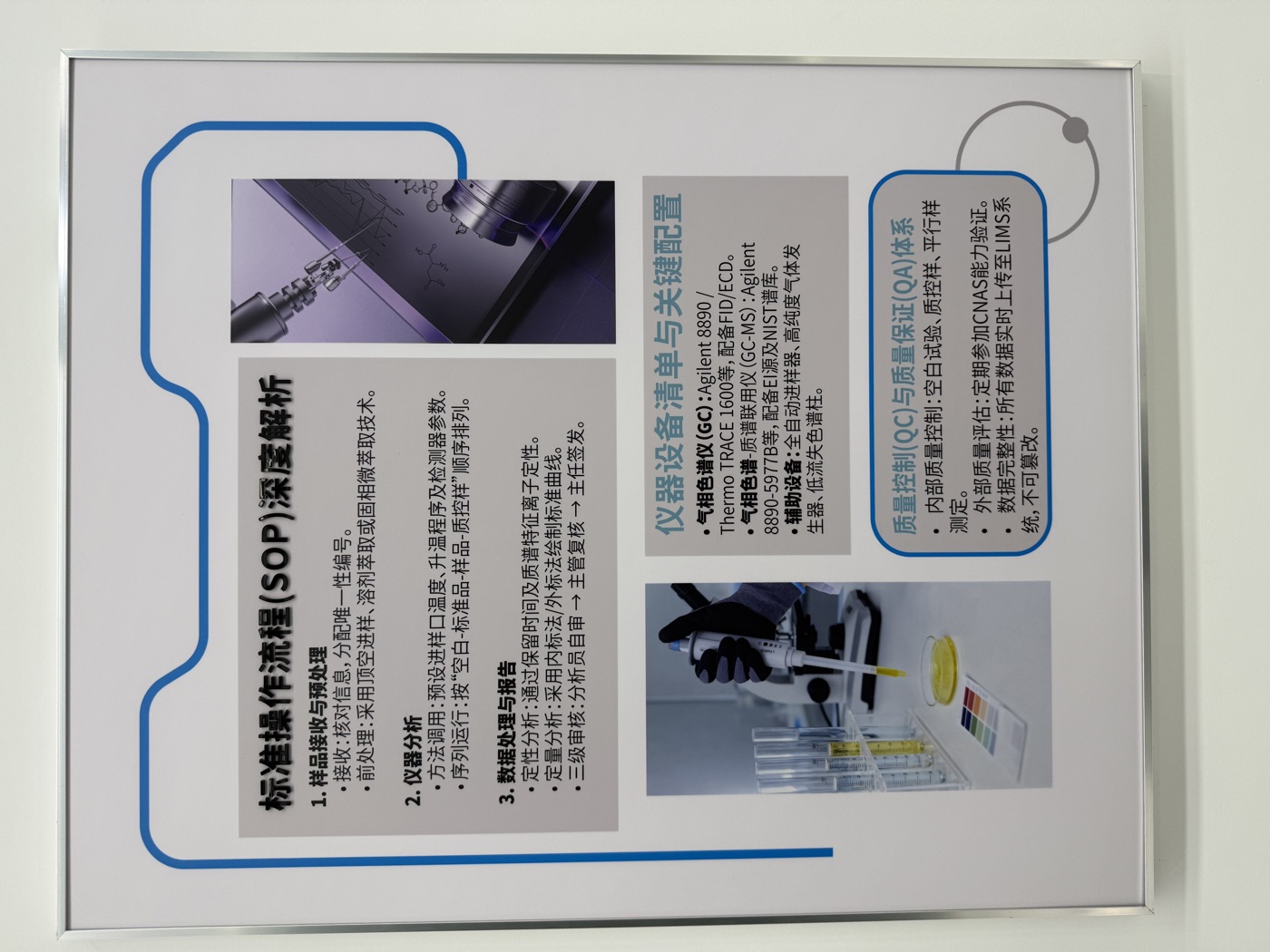
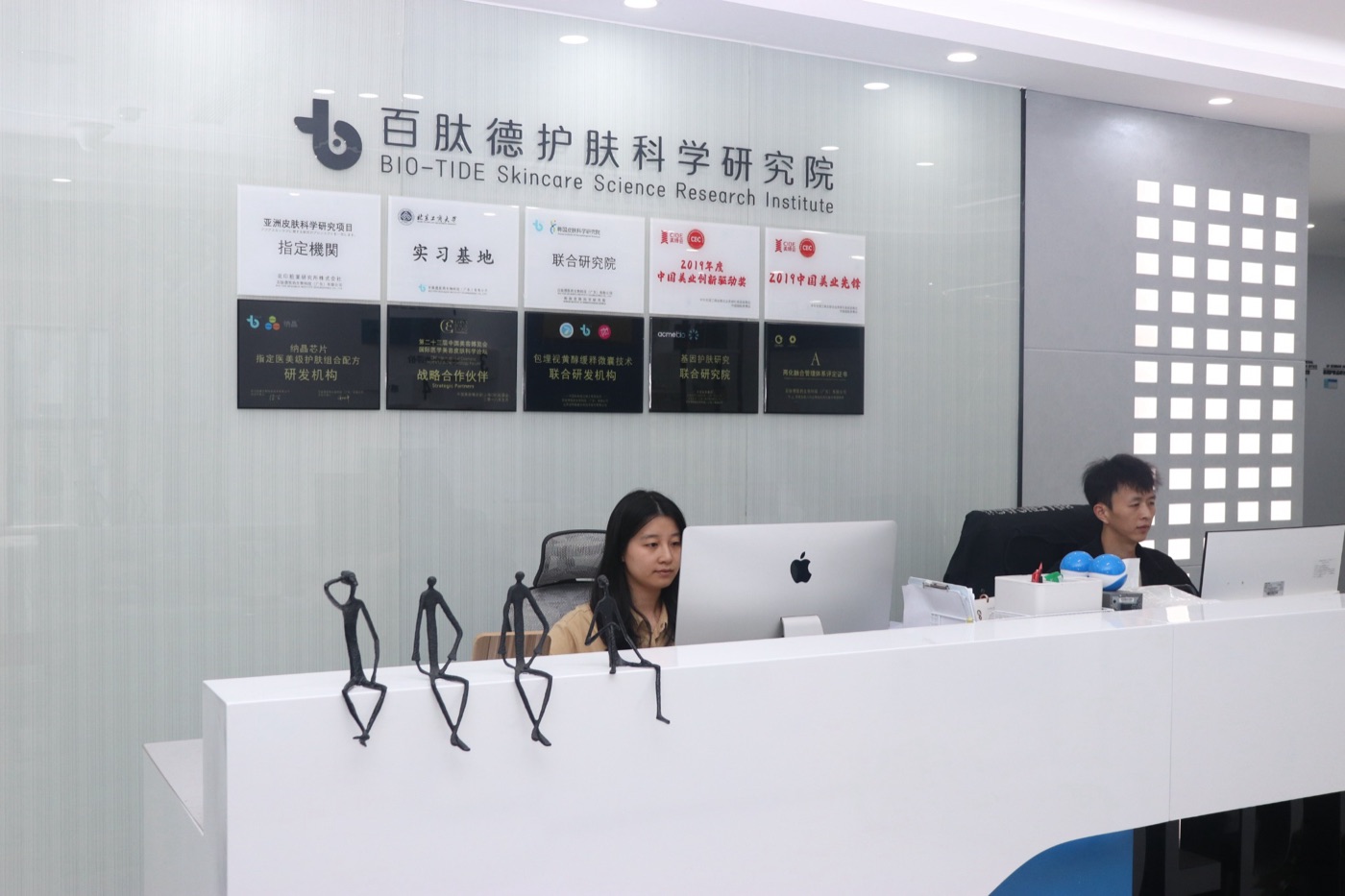
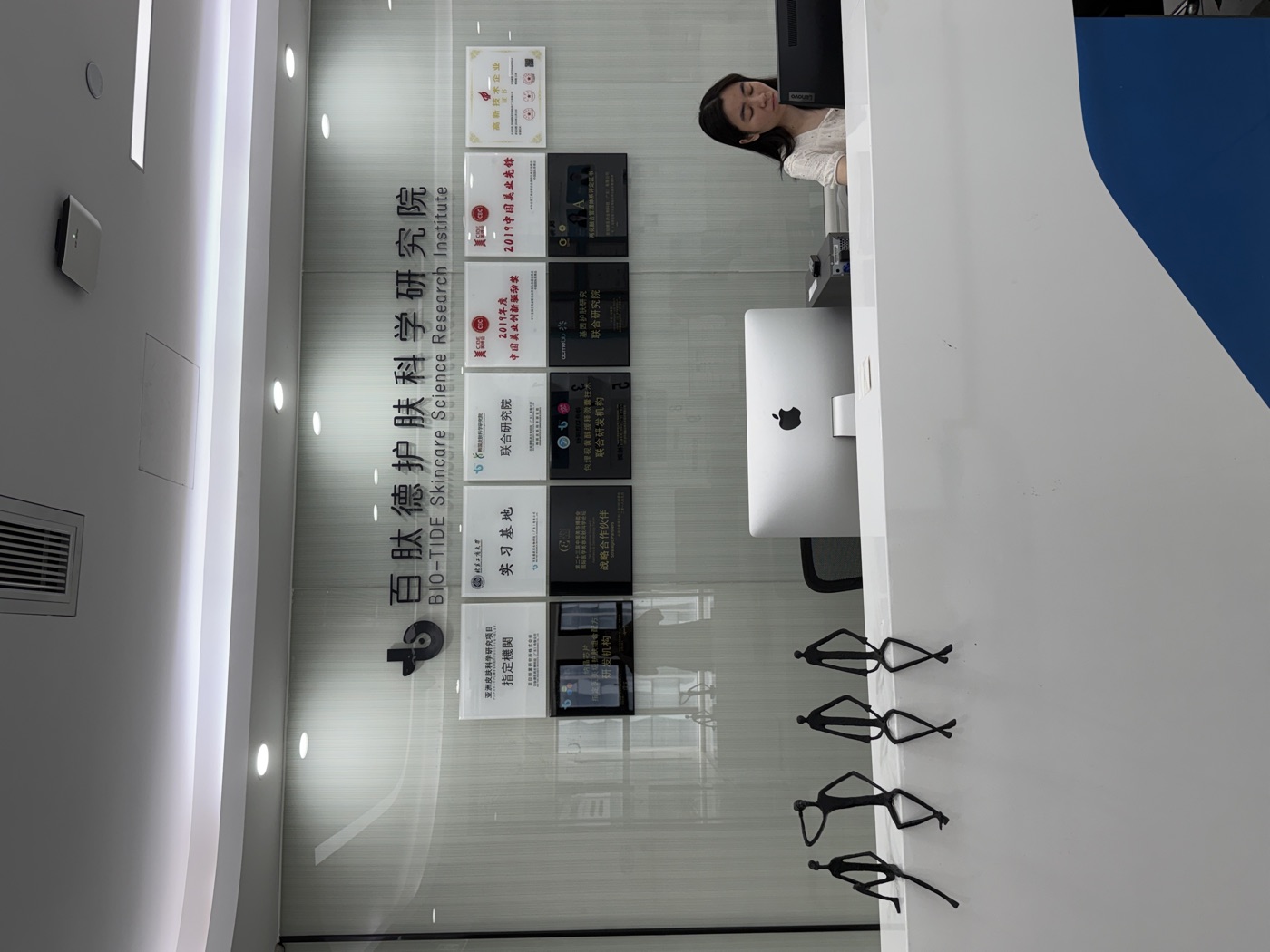
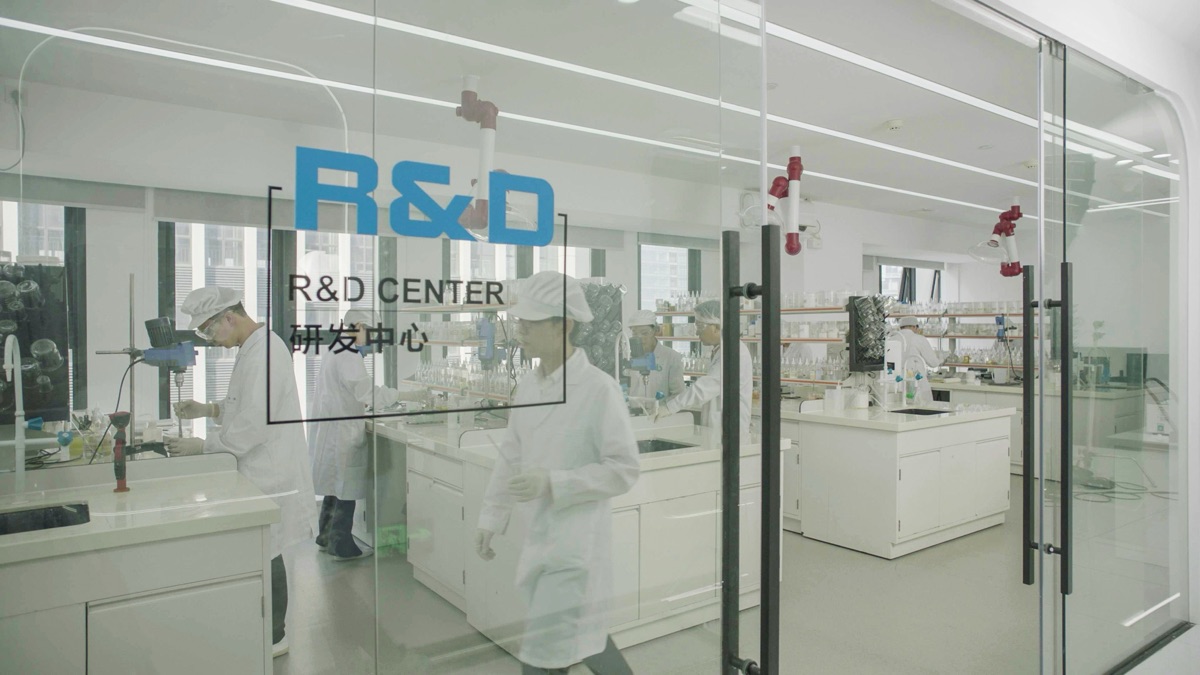
The ingredient review screens for pork derivatives, restricts alcohol, and requires animal-derived materials to come from halal slaughter. Beyond the ingredient list, the assessment covers cross-contamination risks, storage conditions and the production lines themselves — which is where the factory's hygiene and separation practices are examined directly. A manufacturer with documented cleaning procedures, ingredient traceability and organized raw-material storage has already done most of the preparation;BIO-TIDE's documented cleaning, traceability and storage practices the audit largely verifies what those documents describe.
The trap: certificates that look valid but are not
The halal certificate market is crowded, and not every certificate carries weight in the UAE. The test is administrative, not stylistic: find the certification body on MOIAT's registered halal certification bodies list, accredited by EIAC or GAC for the cosmetics field. If the body is absent from the list, the certificate will not support a halal claim on a UAE label or in UAE marketing — and the cost of discovering that after printing runs into relabeling and re-certification. Verify before the audit is booked, not after.
Who does what
The certification body assesses and audits; the Chinese factory hosts the audit and supplies the technical file; the brand decides which SKUs carry the halal claim and applies the mark per the labeling rules; your UAE partner continues to own the market registrations — the ECAS and Montaji filings covered in the UAE compliance combination guide sit outside the halal certificate entirely.
Frequently Asked Questions
When does a halal certificate become required in the UAE?
Only when the brand markets the product as halal. Registration and import run on their own track without it; the certificate enters the picture the moment a halal claim appears on the label or in the marketing — and from that point the certificate must come from an accredited, MOIAT-registered body.
Can any halal certificate from China be used for the UAE?
No. The certification body must be accredited by EIAC or GAC and appear on MOIAT's registered list for the cosmetics field. Certificates from bodies outside that list do not support halal claims in the UAE.
Does the audit happen at the Chinese factory?
Yes. The certification body audits the manufacturing site directly — ingredients, production lines, cleaning procedures and storage. The factory's preparation is mainly documentary: traceable ingredients and procedures that match what the application describes.
What is the UAE Halal National Mark?
A national halal mark that certified products become eligible to apply once the certificate comes from an accredited body under the UAE scheme. It is applied on the label according to the scheme's requirements.
Halal sits beside — not inside — the UAE's market registrations: the ECAS, registration and halal stack is mapped in our UAE guide, and the Gulf-wide context is in our halal questions article. The regional entry points are on our Middle East market page. To see the factory side of a halal audit before you commit, talk to our team about a visit or a documentation review.