Market & Brand Development
Montaji Product Registration in Dubai: The Practical Path for Chinese-Made Skincare
Montaji registers every SKU individually for Dubai sales — five-year validity per industry guides. What the per-product file contains, the private-label documents, and where the factory's papers fit.
Montaji is Dubai Municipality's product registration platform — and for Chinese-made skincare, it is the layer where each individual product gets registered before it can be sold in Dubai. The federal ECAS certificate does not cover it, the halal certificate does not cover it, and the filing is per SKU, not per brand. The good news: for a private-label line, the Montaji file is mostly assembled from documents the factory already holds. Here is what the registration involves and who supplies each piece.
What Montaji is — and when you need it
Dubai Municipality runs Montaji as the emirate-level registration system for consumer products, cosmetics included. Product registration is administered at the emirate level, so the Dubai filing covers sales in Dubai specifically, and brands entering other emirates confirm the equivalent process there. For most launches the Montaji file is the first emirate-level document a brand meets.
The per-SKU rule
Registration is filed product by product. Two serums with different formulas are two registrations; the platform wants each product's own data, label and supporting documents. For a brand planning a multi-SKU launch, the registrations can run in parallel once the document set exists — but every SKU needs its own file, its own label review and its own certificate.
The private-label documents
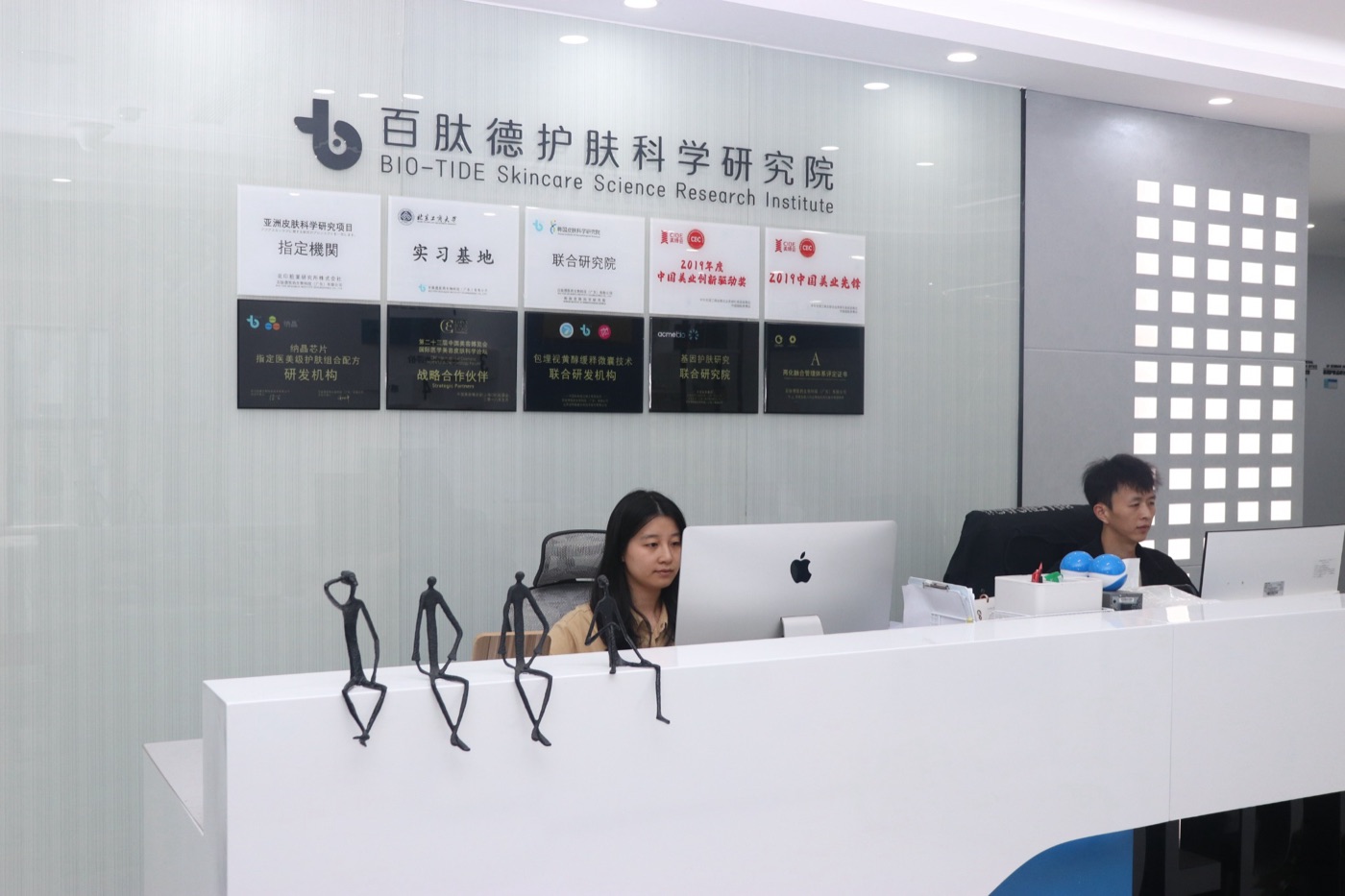
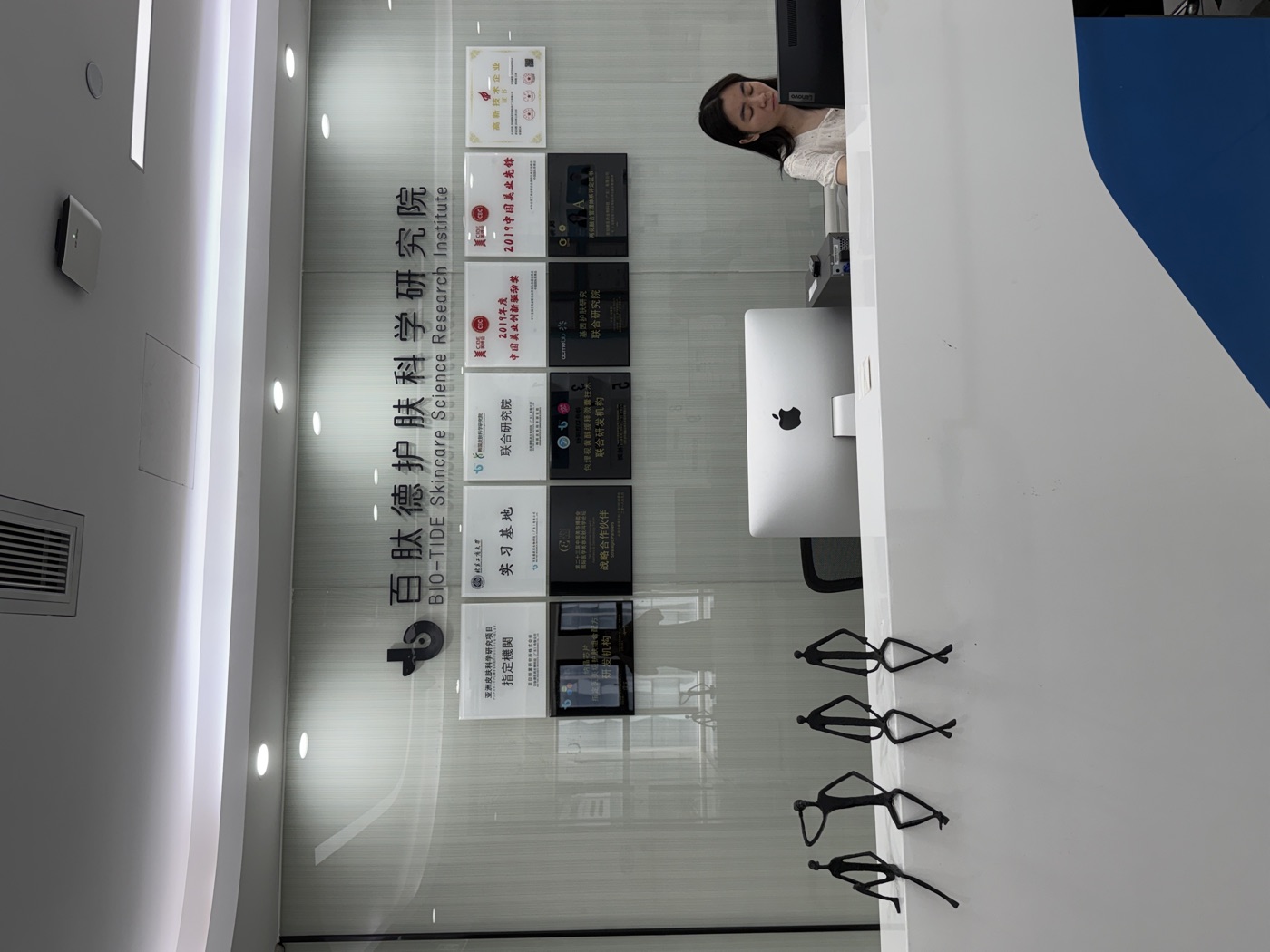
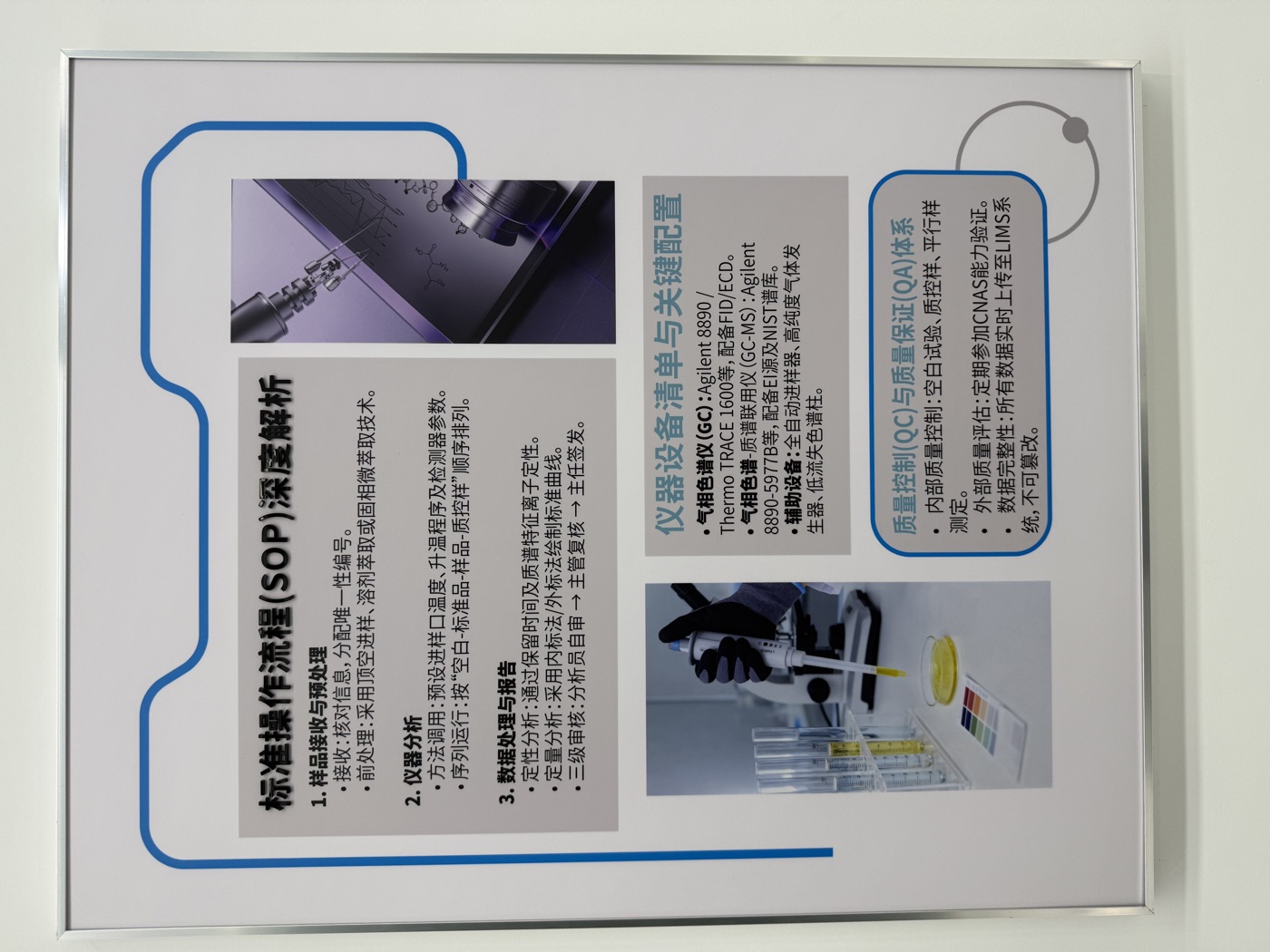
For private-label skincare, Montaji asks for proof of the relationship between the brand and the manufacturer, alongside the product's technical file. This is where the Chinese factory's documentation does its work: the manufacturing arrangement, full INCI disclosure, certificates of analysis, stability data, and the GMP and ISO 22716 certificates for the production site. The technical file follows the GSO labeling standard, with Arabic translation on the label. BIO-TIDE supplies this documentation set — the manufacturing side of the file — while the registration itself is submitted by your UAE-registered importer or agent.
Validity and renewals
Industry guides commonly cite a five-year validity for Montaji registration certificates, with the federal ECAS certificate running on a shorter cycle — which means renewals are staggered rather than simultaneous. Keeping the factory documents current is what makes those renewals administrative: an updated test report or a re-issued GMP certificate is quick to attach; reconstructing them years later is not.
Where Montaji sits in the stack
The full UAE entry stack runs: ECAS at the federal level, Montaji in Dubai, and halal certification separately — voluntary until the brand claims halal, and then only through an accredited, MOIAT-registered body. Each layer has its own certificate and its own renewal cycle, and none of them substitutes for another. The stack is mapped in the UAE compliance combination guide, and the halal layer specifically in the halal certification path article.
Frequently Asked Questions
Can our Chinese factory file the Montaji registration?
No. The registration is submitted by a UAE-registered establishment — your importer or agent. The factory supplies the private-label documentation and the technical file; it cannot be the party of record.
Is one Montaji registration enough for the whole brand?
No. Registration is per SKU — each product carries its own file, label review and certificate. Multi-SKU launches mean multiple parallel registrations built from the same factory document set.
How long is the Montaji certificate valid?
Industry guides commonly cite five years per registration, with the federal ECAS certificate renewing on a shorter cycle. Confirm the current terms on the filing, since fees and validity move with the platform.
Does the file need Arabic labels?
The label review follows the GSO labeling standard, which requires Arabic translation on the pack alongside the standard consumer information — product name, ingredients, origin, manufacturer, batch and dates.
The UAE entry stack is now covered end to end on this site — the compliance combination, the halal certification path, and this registration walkthrough. The regional entry points are collected on our Middle East market page. To start a line whose Montaji file is built from day one, talk to our team about sampling and the documentation set.