Sep 23, 2026Market & Brand Development
Halal Skincare for the Gulf: What's Mandatory, What's Expected — and What to Ask Your Manufacturer
Halal certification for cosmetics is not yet mandatory in Saudi Arabia or the UAE — but it is becoming a market baseline. What Gulf brands should check and ask their OEM/ODM partner now.
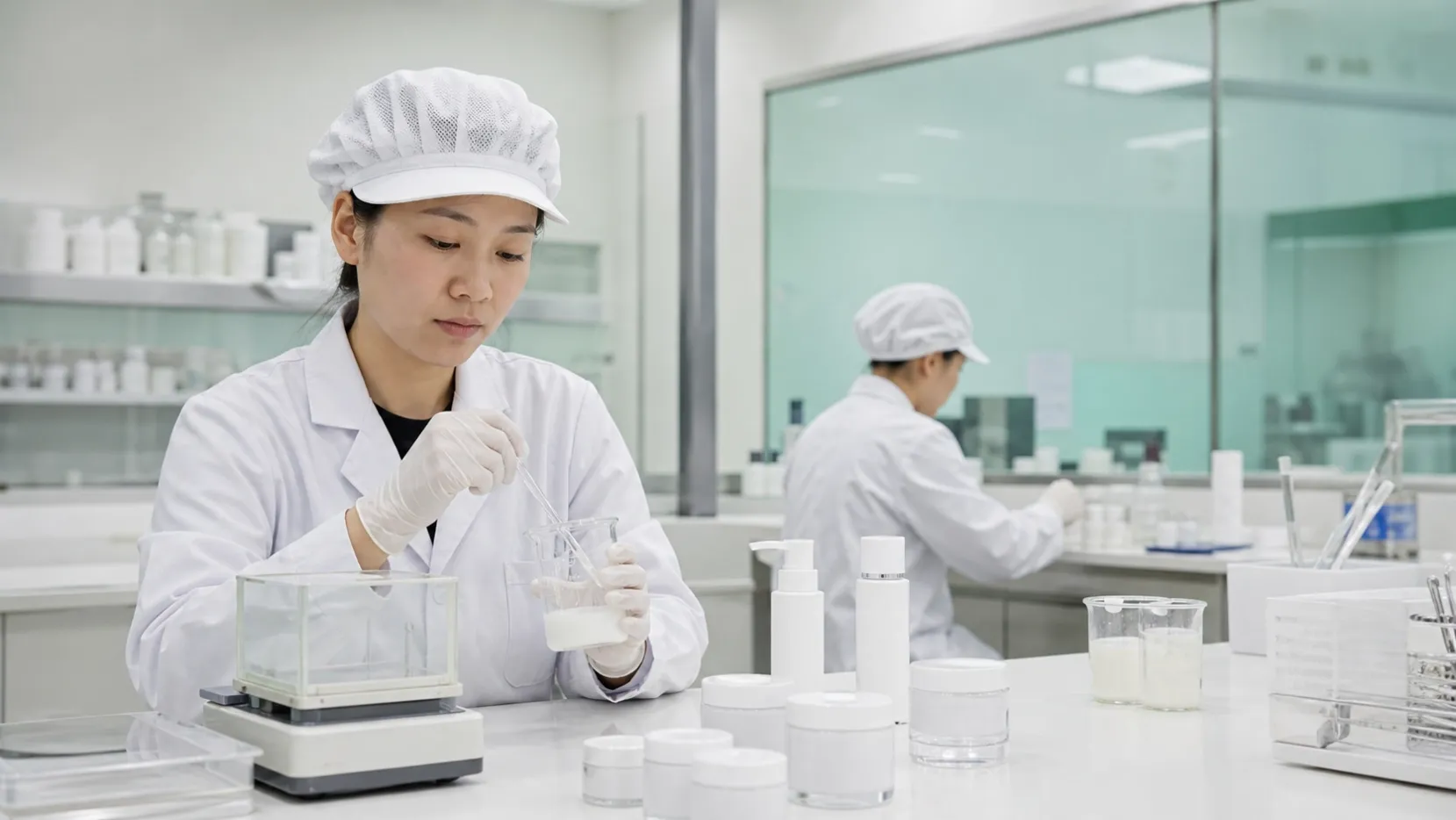
Halal is becoming a baseline expectation for beauty products across the Gulf — and the rules are moving. Halal certification for cosmetics is not yet mandatory in Saudi Arabia or the UAE, but regulators are extending certification frameworks toward more categories, and retailers increasingly treat it as a purchasing filter. If you are launching or expanding a skincare line for Gulf consumers, here is the current picture — what is required, what is simply expected, and the questions worth asking your manufacturing partner now.
What Is Mandatory Today
Two things are unambiguous. First, product safety and registration: every cosmetic entering Saudi Arabia must be notified in the SFDA's system by the importer, clear customs with a Certificate of Conformity, and carry compliant bilingual Arabic/English labeling under the Gulf standard GSO 1943. Second, formulation boundaries: cosmetics are expected to be free from pork-derived ingredients, and prohibited or restricted substance lists apply across the GCC.
Halal certification for cosmetics itself remains voluntary — for now. Saudi regulators have signaled an extension of halal certification requirements toward additional product categories, which would move parts of the beauty industry from 'expected' to 'required'. Brands that plan their supply chain for halal-compatible sourcing today will not have to scramble when that happens.
What Halal Means in Practice for a Skincare Formula
• No pork-derived ingredients anywhere in the chain — including emulsifiers, glycerin, collagen and gelatin derivatives, where animal origins hide most often.
• Alcohol questions answered: different certifiers draw the line differently on ethanol and denatured alcohol, so the target certification body should be chosen before the formula is locked.
• Cross-contamination control: shared production lines and storage need cleaning and segregation practices a certifier can audit.
• Documentation: ingredient origin declarations from every raw-material supplier — often the hardest part, and the one factories without deep supplier relationships struggle with.
Building the Documentation Chain Early
Halal readiness is mostly paperwork before it is chemistry. The chain runs: raw-material suppliers issue origin declarations for every ingredient in your formula; the factory assembles them with production and cleaning records; your certifier audits the file and, where required, the production site. Each link takes time, and a single undeclared animal-derived raw material sends the file back to the start. Brands that build the chain during product development launch months earlier than brands that build it after approval.
The Questions Worth Asking Before You Commit
Can your manufacturing partner document the animal-origin status of every ingredient in your formula? Do they already produce halal-compliant lines, and can they segregate production if your brand needs it? Will they support the ingredient declarations your certifier will request? If the answers are vague, the certification will be slower and more expensive than it needs to be.
This is where an OEM/ODM partner's raw-material relationships matter. Our compliance and testing services cover the documentation and testing coordination behind market entry files, and our dedicated overview of skincare product development for Saudi Arabia covers market and channel definition for the Gulf. For brands comparing markets, our guides to exporting skincare to Saudi Arabia and the GCC and entering the Russia cosmetics market map the certification landscapes side by side.
If you are building a halal-ready skincare line for the Gulf, reach our team through the contact page — we will plan the ingredient documentation chain into your development program from the start.
Frequently Asked Questions
Is halal certification mandatory for cosmetics in Saudi Arabia?
Not currently. Halal certification for cosmetics is voluntary, but it functions as a market expectation for many Gulf consumers and retailers, and Saudi regulators are extending halal frameworks toward more product categories.
What ingredients make a skincare formula non-halal?
Pork-derived ingredients are the clearest disqualifier, and they hide in common materials such as glycerin, collagen and gelatin derivatives. Ethanol and certain other alcohols are handled differently by different certifiers, so the target certification body should be decided before the formula is locked.
Can an existing skincare formula be made halal-compliant?
Often yes — the work is mostly in ingredient substitutions and supplier origin declarations, plus production segregation if certification is pursued. The earlier in development this is planned, the cheaper the change.
Does the factory need to be halal-certified for my brand to sell in the Gulf?
Not for market access today. But a manufacturing partner experienced with halal-compatible sourcing and documentation makes any future certification faster — ask the question during supplier selection, not after production.