Sep 11, 2026Manufacturing & Quality
Cosmetic Batch Release Checklist: What Skincare Brands Should Verify Before Shipment
Review the batch record, finished-product checks, packaging, deviations and approval status before your skincare manufacturer releases an order for shipment.
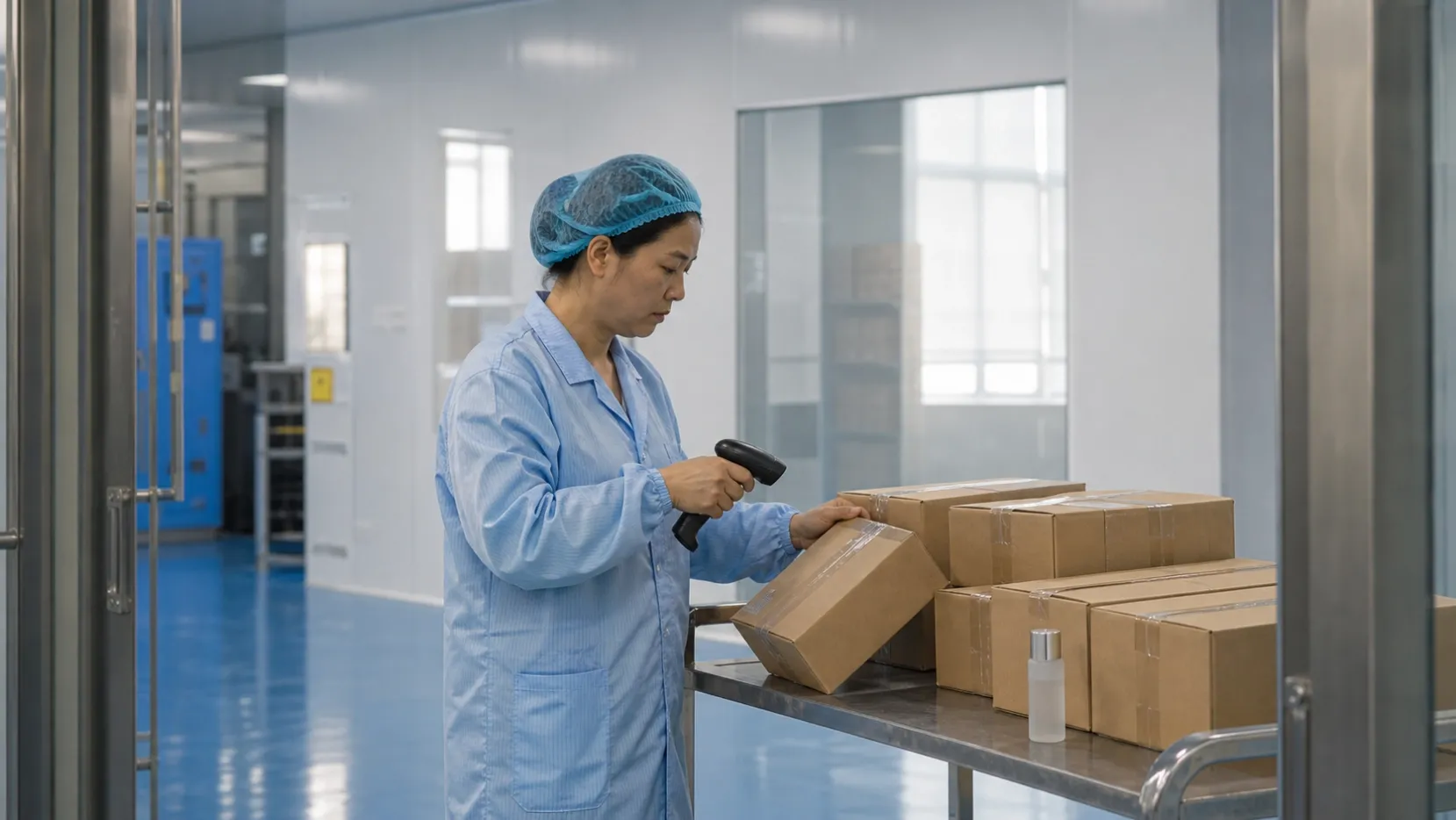
A cosmetic batch should ship only after the manufacturer confirms the approved product version, completed production records, agreed test results, correct packaging and batch codes, resolved deviations, and a documented release decision. The brand does not need every internal factory record; it does need a clear agreement on which evidence supports release, who can approve exceptions, and what prevents an unfinished batch from leaving the site.
The six checks that decide whether a batch can ship
Release check | What the reviewer confirms | Stop shipment when |
|---|---|---|
Product identity | Product, approved formula version, batch number and planned quantity match the order | The formula, batch or order reference does not match |
Production history | Required processing, filling and in-process records are complete | Critical steps or checks are missing or unexplained |
Finished-product results | Agreed appearance, physical, microbiological or other relevant checks meet the specification | A required result is missing, outside limits or still pending |
Packaging and coding | Pack, label version, closure, quantity and batch code match the approved presentation | The label, code, pack or quantity differs from approval |
Deviations | Unexpected events have an assessment, decision and appropriate approval | An unresolved issue could affect product quality or traceability |
Release authority | An authorized reviewer records release before dispatch | No named person has issued a documented release |
This is a finished-goods decision, not a second round of product development. Earlier sampling and testing set the requirements; release checks whether this specific manufactured batch satisfies them.
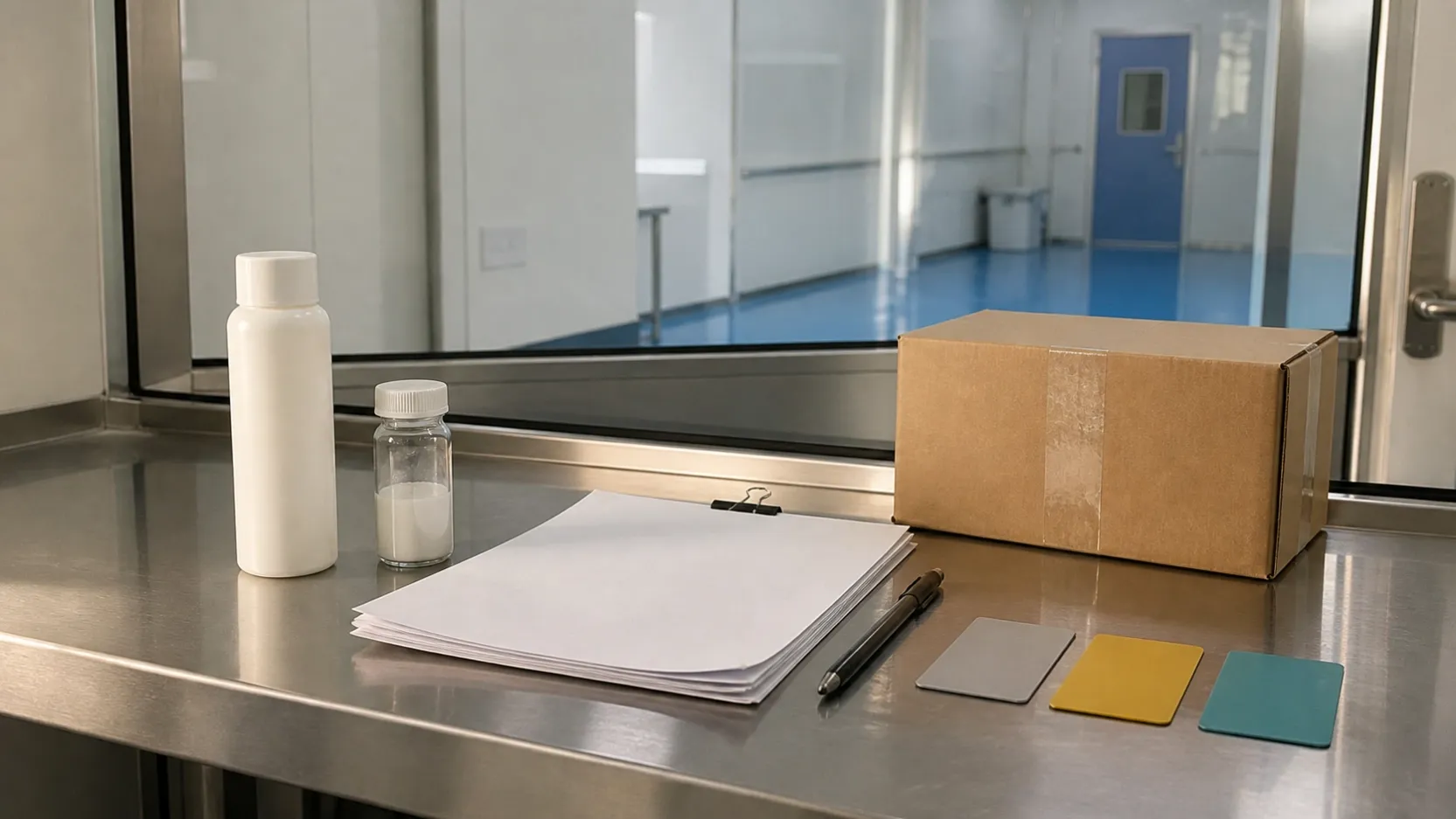
A practical release handoff connects the finished sample, batch paperwork and shipment status without confusing internal production records with customer-facing documents.
Start with the approved specification—not a generic certificate
A certificate of analysis may summarize selected results, but it is not automatically the complete release decision. First define the product identity, acceptance criteria, packaging version, required checks and exceptions in the approved skincare product specification. Then ask which results apply to the formula, pack, manufacturing route and destination market.
A lightweight gel, an emulsion and a waterless balm may need different controls. Relevant checks can include appearance, odor, pH, viscosity, fill quantity, closure function or microbiological results when appropriate. Do not invent universal numerical limits or promise the same test panel for every product.
Connect production evidence to the actual finished units
The batch record should tie the finished order back to the approved formula version, material lots, important process steps, in-process checks and packaging components. The FDA cosmetic GMP inspection checklist describes records for batch materials, processing and filling, finished-product testing, control status, batch coding and initial distribution.
Review the handoff from production to packing. Cosmetic filling-line controls help establish whether the correct components, fill checks and line records were used. The release reviewer then confirms that these records belong to the same identifiable finished batch—not just a similar product.
- Match the purchase order, product name and batch or lot code.
- Confirm the approved formula, packaging and artwork versions.
- Check the actual packed quantity and explain meaningful differences.
- Make sure retained samples and supporting records can be retrieved when needed.
Give someone real authority to hold or release the order
A ship date is not a quality approval. The manufacturing agreement should identify who reviews batch evidence, who signs the release, which exceptions need brand approval and who can block dispatch. The skincare manufacturing quality agreement is the right place to settle those roles before production starts.
ISO 22716:2007 provides cosmetic GMP guidance covering production, control, storage and shipment. It supports a controlled approach to the release handoff; it does not mean every cosmetic company uses an identical document packet or that a supplier has a certification unless that claim is independently verified.
Four situations that should trigger a hold
1. A result is missing or outside its agreed limit
A pending check is not a passing check. Keep the batch on hold until the responsible reviewer evaluates the result against the approved specification and records the decision.
2. The label, package or code does not match
A good formula does not make an incorrect label acceptable. Check the approved artwork version, pack type, code placement and finished presentation before shipping.
3. Production changed without assessment
A material substitution, altered process step, unexpected rework or packaging change needs an impact review. Record what changed, which units were affected and whether brand approval is required.
4. The evidence cannot be linked to the shipment
A passed test has limited value if nobody can connect it to the cartons being dispatched. Use a cosmetic batch traceability plan that links manufacturing, finished units and shipment records.
What should the brand actually receive?
Agree the customer-facing release packet before placing the order. Depending on project scope, it may include the product and batch identity, finished quantity, relevant result summary, packaging confirmation, approved deviation summary and a dated release statement. The manufacturer may retain detailed source records while agreeing when they can be reviewed for an audit, complaint or investigation.
A useful agreement also explains storage and dispatch conditions after release. An approved batch should remain identifiable and protected while it waits for shipment; released status should not be confused with transport booking or final market authorization.
Batch release questions buyers ask
Is a certificate of analysis the same as batch release?
No. A certificate usually reports selected results. Batch release is the wider decision that the specific product, records, packaging, deviations and approval status are acceptable for dispatch.
Can a batch ship while one result is still pending?
That depends on the product, agreed control plan, applicable requirements and the significance of the missing result. It should never happen through an undocumented shortcut or without the responsible approval.
Need a clearer batch-release plan?
BIO-TIDE can help evaluate:
✓ Product specifications and release criteria
✓ Manufacturing records and finished-batch evidence
✓ Packaging, coding and shipment handoffs
✓ Quality responsibilities and exception decisions
Frequently Asked Questions
Who should have the authority to release or hold a batch?
A ship date is not a quality approval. The manufacturing agreement should identify who reviews batch evidence, who signs the release, which exceptions need brand approval and who can block dispatch. The article recommends settling these roles in the skincare manufacturing quality agreement before production starts, so release authority is not negotiated while a shipment is waiting.
What should a batch release packet include?
Agree the customer-facing release packet before placing the order. Depending on project scope, it may include the product and batch identity, finished quantity, a summary of relevant results, packaging confirmation, an approved deviation summary and a dated release statement. The manufacturer may retain detailed source records while agreeing when they can be reviewed for an audit, complaint or investigation.
Which situations should put a batch on hold before shipment?
The checklist identifies four. A result is missing or outside its agreed limit. The label, package or code does not match the approved presentation. Production changed without assessment, such as a material substitution, altered process step, unexpected rework or packaging change. Or the evidence cannot be linked to the specific cartons being dispatched.
Does a supplier's ISO 22716 reference guarantee a controlled release process?
No. ISO 22716:2007 provides cosmetic GMP guidance covering production, control, storage and shipment, and it supports a controlled approach to the release handoff. It does not mean every cosmetic company uses an identical document packet, and a supplier should not be assumed to hold a certification unless that claim is independently verified.