Sep 5, 2026Manufacturing & Quality
Cosmetic Manufacturing Deviation Report: What Skincare Brands Should Review Before Batch Acceptance
Review a cosmetic manufacturing deviation report for event scope, containment, product impact, root cause, corrective action and batch disposition before acceptance.
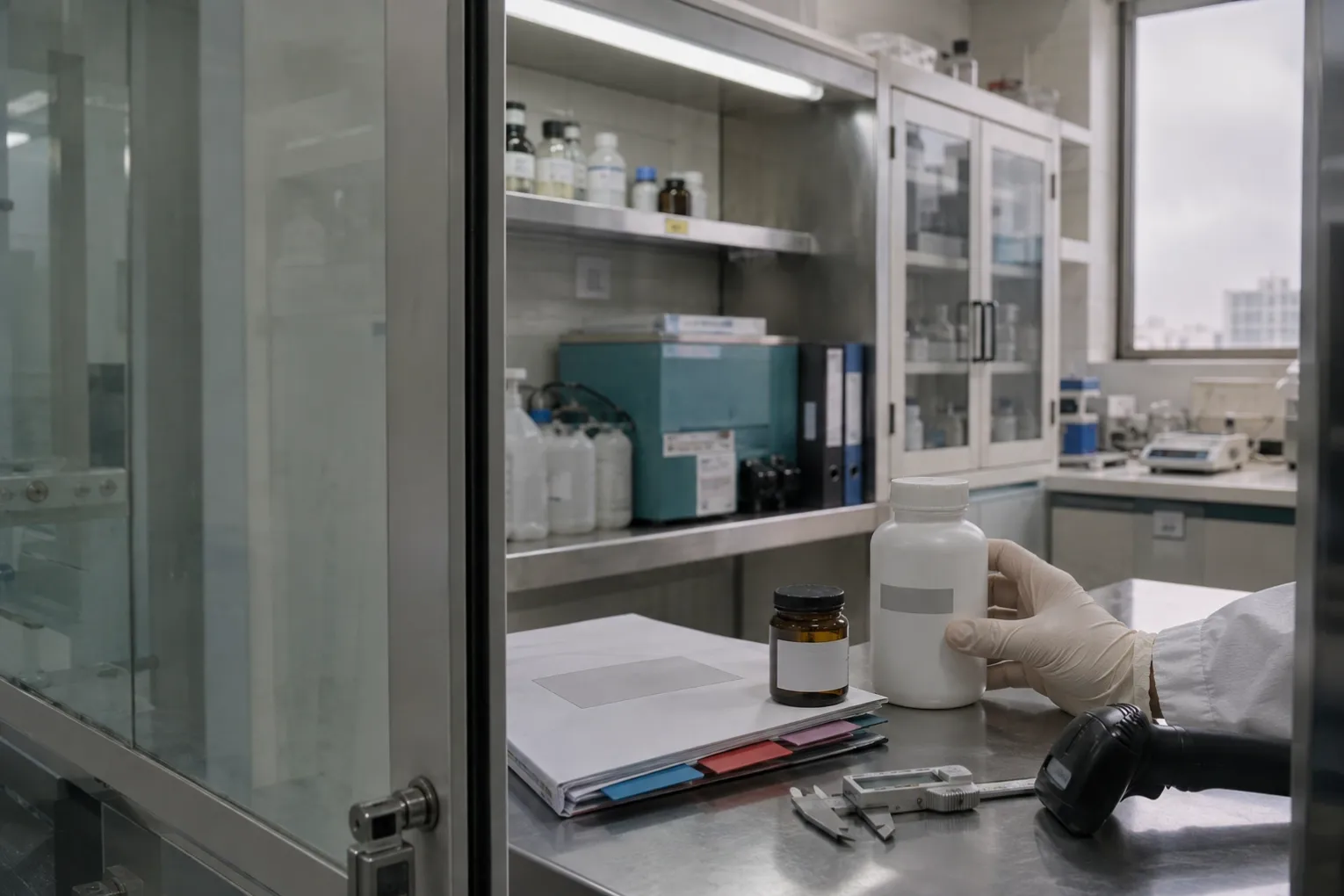
A cosmetic manufacturing deviation report should help a skincare brand answer one question: does this event change the identity, quality, safety, performance or release decision for the batch? Ask for a short, evidence-based record that shows what happened, what was contained, how product impact was assessed and who approved the final disposition.
What a useful deviation report should show
The report does not need to be long. It needs to connect the event to the affected materials, process step, equipment, packaging components and finished batch.
Report field | Question for the brand | Decision it supports |
|---|---|---|
Event and scope | What happened, when, where and which lots or units may be affected? | Whether the investigation covers the full exposure window |
Immediate containment | What was stopped, held, separated or checked first? | Whether potentially affected material stayed under control |
Evidence reviewed | Which records, samples, measurements and interviews were examined? | Whether the conclusion is based on facts rather than assumption |
Product-impact assessment | Could identity, quality, safety, stability, pack function or claims support change? | Whether more testing or technical review is needed |
Root-cause conclusion | Is the cause confirmed, probable or still unknown? | Whether the proposed action addresses the real failure path |
Corrective and preventive action | What will be corrected now, and what will reduce recurrence? | Whether the response is proportionate and trackable |
Batch disposition | Who approved release, rework, rejection or another controlled outcome? | Whether the commercial decision has clear quality ownership |
Use the approved skincare product specification sheet as the comparison point. Without agreed criteria, a report can describe the event but cannot show whether the output still meets the brand's requirements.
Separate facts, investigation and product impact
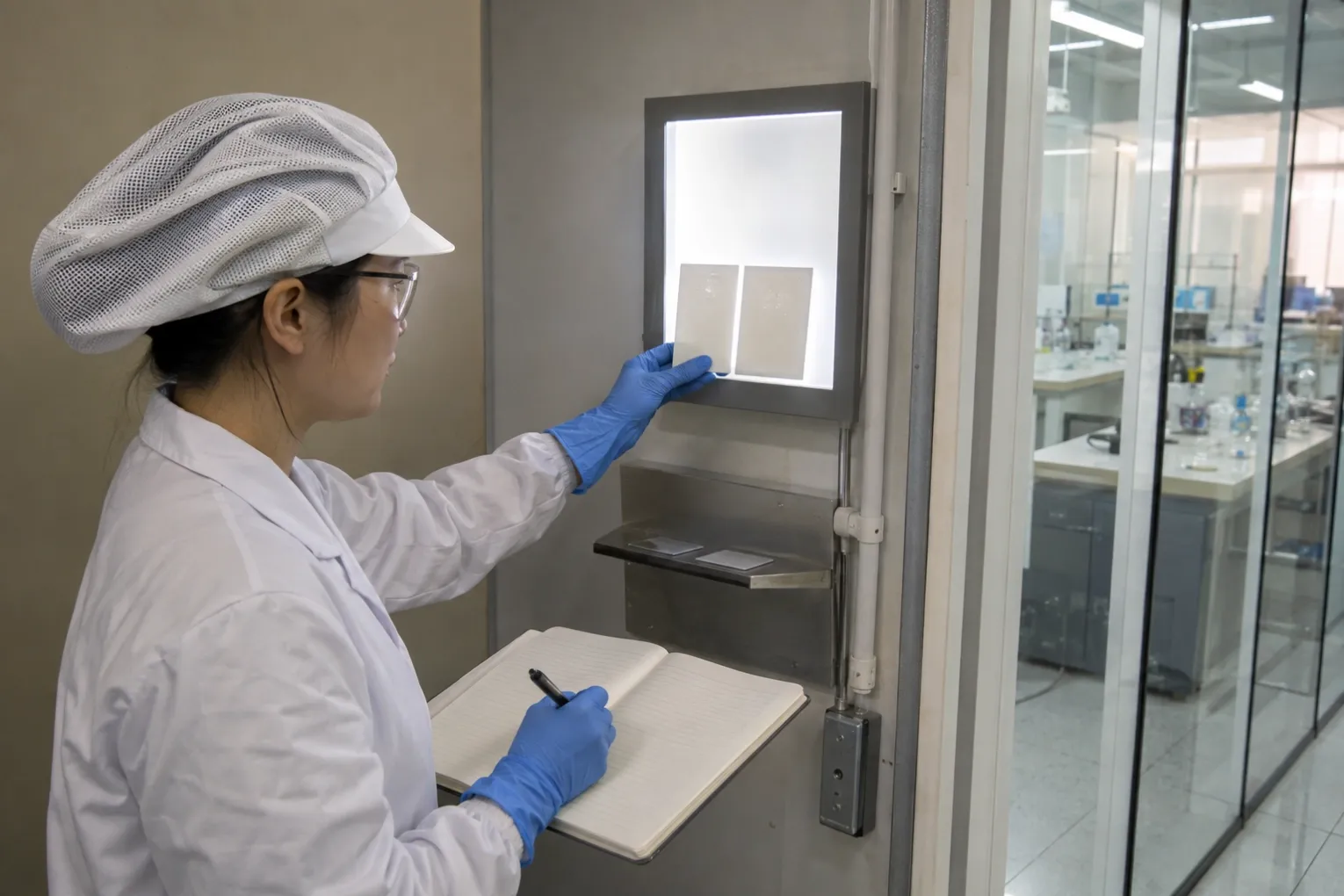
A clear report keeps three layers apart:
- Observed fact: the recorded time, reading, quantity, label, equipment state or sample result.
- Investigation: the records and evidence reviewed to explain why the event occurred.
- Product impact: the technical reason the affected batch can or cannot meet its approved requirements.
This distinction matters because “no impact” is a conclusion, not evidence. A repeated measurement, retained sample, packaging check or targeted test may support the conclusion, depending on the event.
ISO 22716 provides GMP guidelines for the production, control, storage and shipment of cosmetic products. The FDA's draft cosmetic GMP guidance is non-binding, but it explains why records should capture manufacturing operations, deviations, justifications and corrective measures. The exact review route still depends on the product, market and manufacturer's quality system.
Decide whether the evidence is sufficient
The brand should not approve or reject a batch from the event label alone. Review the size of the exposure and the strength of the evidence.
- Confirm the affected formula version, material lots, batch code and packaging lots through the batch traceability plan.
- Compare in-process and finished-product results with the approved specification.
- Check whether the event could create a delayed risk to stability, preservation, appearance, odor, dispensing or package compatibility.
- Review any rework, adjustment or additional sampling as a controlled step—not an informal correction.
- Record the final decision, approver and any follow-up action before the normal cosmetic batch release checklist is completed.
An investigation with an unknown cause may still support a defensible batch decision in some situations, but uncertainty should be stated. Repeated or unexplained events should trigger a wider review rather than a weaker conclusion.
Agree the review triggers before production
The fastest deviation review starts before the first commercial batch. Define in the skincare manufacturing quality agreement which events require brand notification, which can be handled within the manufacturer's approved system and which need written brand approval before release.
Useful notification triggers may include:
- A change to the approved formula, material grade, supplier or processing instruction
- A process parameter outside its approved range
- An equipment, cleaning or line-clearance issue with possible product contact
- A hold-time, filling, coding or packaging exception
- An atypical, out-of-specification or unresolved test result
- Rework or additional processing not already covered by an approved instruction
Set a response time and name the people allowed to approve the decision. This prevents a shipping deadline from becoming the quality standard.
Prepare a focused technical review
Not sure whether a deviation report gives enough evidence to accept the batch?
BIO-TIDE can review the decision against:
- Approved product and packaging specifications
- Formula and process history
- Batch, material and packaging traceability
- Test results and retained-sample evidence
- Corrective action and recurrence risk
See how our R&D lab supports formula and quality decisions, then share the report, approved specification and target market.