Sep 7, 2026Manufacturing & Quality
Cosmetic Retain Samples: What Skincare Brands Should Agree With a Manufacturer
Plan cosmetic retain samples around representative sampling, final packaging, traceable labels, protected storage, access, review and documented disposal.
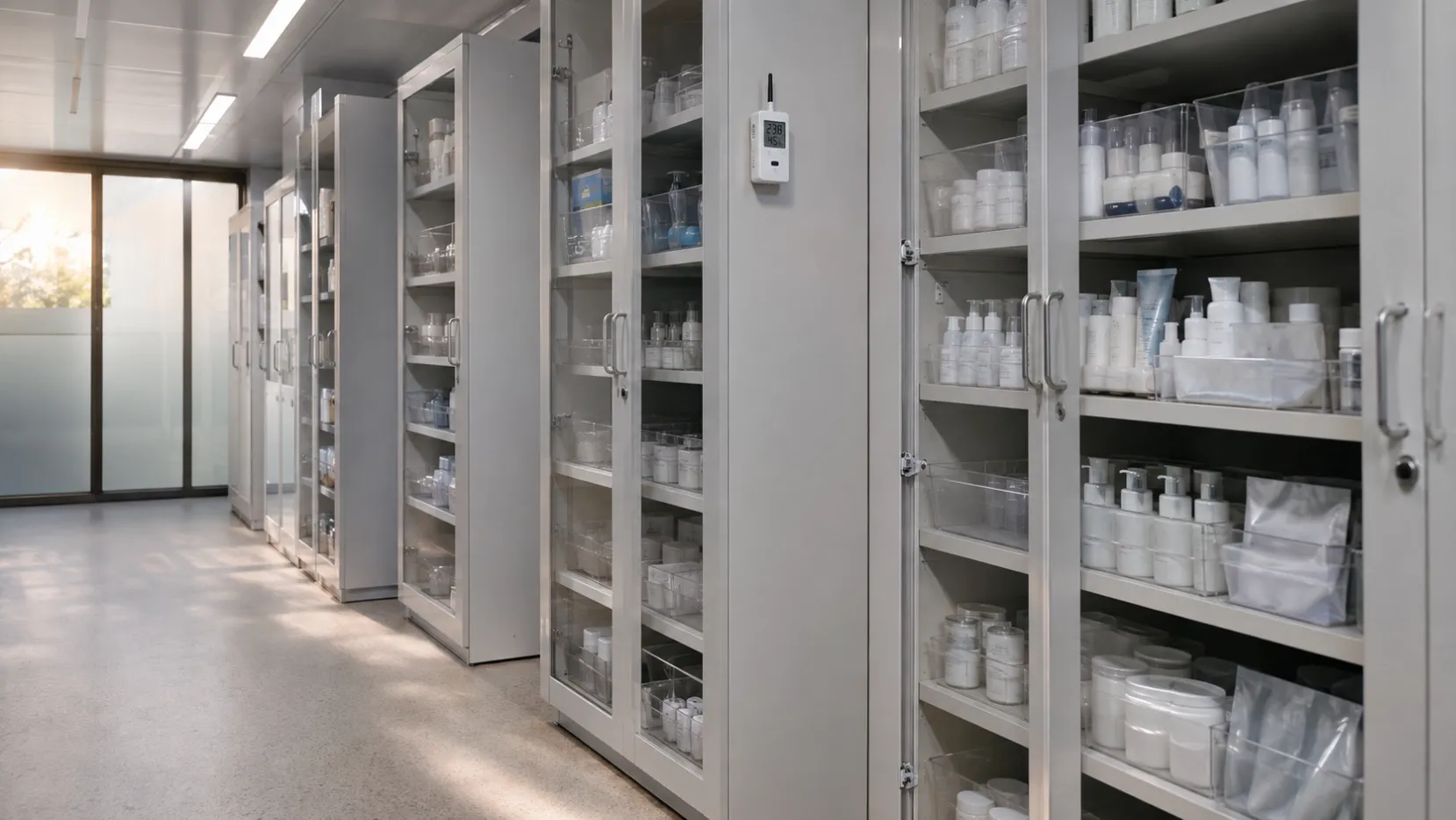
Cosmetic retain samples give a skincare brand something concrete to examine when a batch question appears after shipment. They can support complaint review, package checks, comparison with release results and a faster discussion with the manufacturer.
A useful retain-sample plan is not simply “keep one jar.” Before production, the brand and manufacturer should agree which samples are kept, where they are taken, how they are identified, how long they remain available and who may authorize examination or testing.
Why retain samples matter after batch release
A certificate of analysis records approved test results. A retained unit preserves physical evidence from the batch. The two answer different questions. If a customer later reports a change in odor, color, texture, fill level or dispensing, a correctly identified sample can be compared with the complaint unit and the original batch release records.
Retained samples do not prove that every unit in a batch is identical, and they do not replace a sound investigation. Their value depends on representative sampling, traceable labels, protected storage and a written review process. When an event could affect acceptance, connect the sample review to the cosmetic manufacturing deviation report rather than treating the sample as a stand-alone verdict.
Define the retain-sample agreement before production
The agreement should be specific enough for a new team member to find the correct sample without guessing.
Decision | What the brand and manufacturer should record |
|---|---|
Sample scope | Finished bulk, filled market pack, raw material or another agreed stage |
Sampling point | When and where the sample is taken, and who performs the action |
Identity | Product name, formula or item code, batch number, fill date and pack version |
Quantity | Enough units for the intended visual, physical, chemical or microbiological review |
Storage | Temperature, light, humidity and contamination controls appropriate to the product |
Access | Who may open, move, test or release a sample for an investigation |
Retention and disposal | Agreed period, review trigger and documented disposal method |
Do not copy a retention period from another product without checking the market, product type, shelf-life logic, contract and manufacturer procedure. The FDA cosmetic GMP inspection checklist asks whether reserve samples of approved raw-material and finished-product lots are kept for a specified period, protected from contamination or deterioration and retested for continued compliance. It is useful guidance, not a universal number for every project.
Keep both batch evidence and market-pack evidence
For a packaged skincare product, the filled unit is often more useful than bulk alone. The marketed pack adds variables such as the bottle, jar, seal, pump, dip tube, liner and headspace. A reserve filled in the approved commercial pack can help the team examine leakage, evaporation, discoloration, odor transfer, dispensing or component interaction.
That does not replace a planned skincare packaging compatibility test. Compatibility work is conducted before approval under defined conditions. A retain sample supports later comparison when a real batch issue or complaint appears.
Keep any bulk and filled samples clearly separated in the record. If the manufacturer retains a filled unit, confirm that it represents the same component revision, decoration and closure used for the shipped batch.
Link every sample to records and decisions
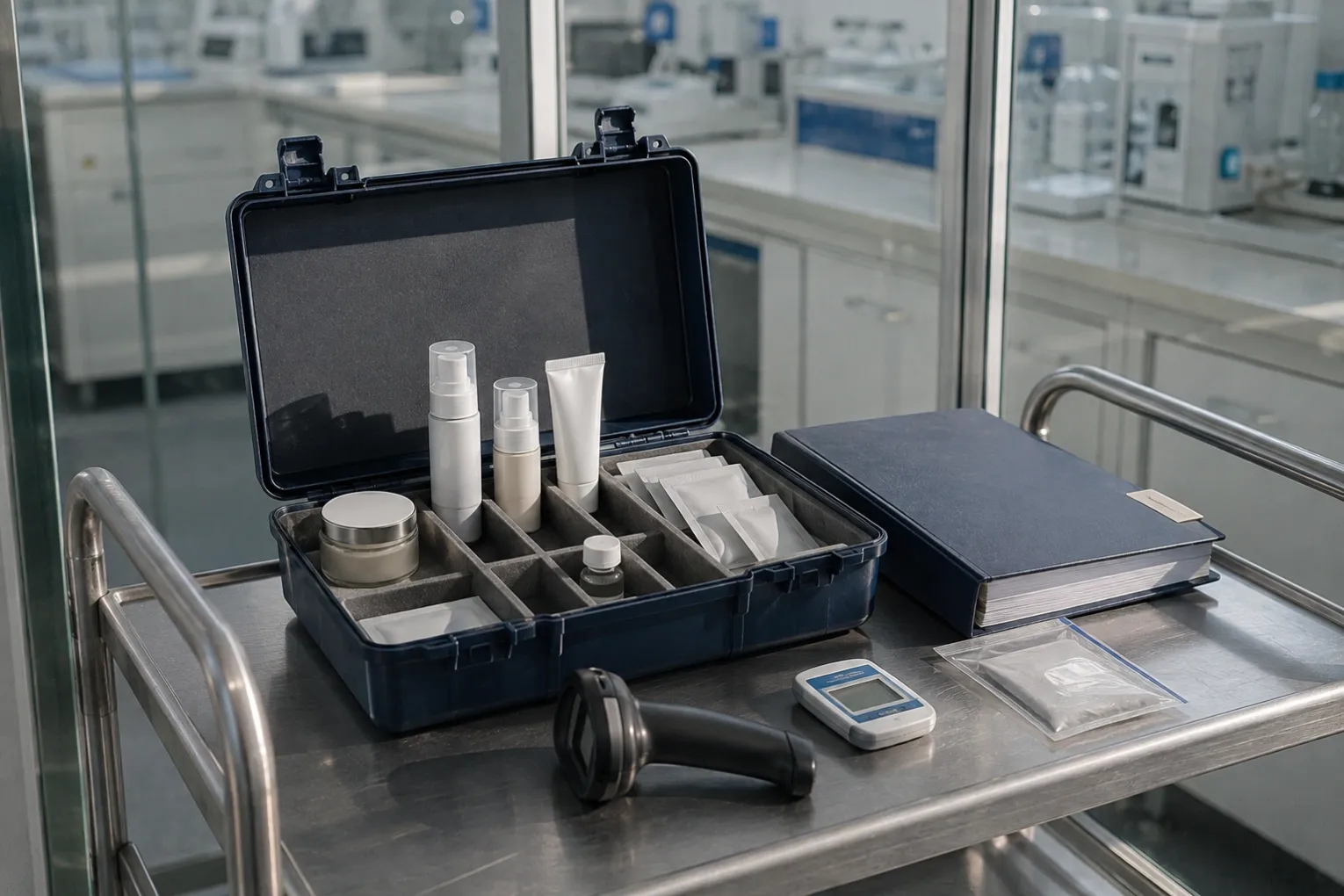
The sample label and register should connect to the same batch identity used in production, testing and release. This is where a cosmetic batch traceability system becomes practical: the team should be able to move from a complaint or retained unit to the relevant raw-material lots, filling line, packaging version, release result and shipment information.
ISO 22716 gives guidelines for the production, control, storage and shipment of cosmetic products and remains current after its 2022 review. Use ISO 22716 as a quality-system reference, then define project-specific details in the skincare manufacturing quality agreement.
When a retained sample is opened or tested, record the reason, date, person, condition on receipt, method used and result. Also record what remains. An undocumented sample that disappears from storage weakens the evidence chain.
Questions to ask your manufacturer
Before approving production, ask:
- Which raw-material, bulk and finished-product samples will be retained for this project?
- Are finished units kept in the final market-ready packaging?
- How are batch identity, packaging revision and storage location recorded?
- What quantity supports the likely investigation or retesting need?
- Which storage conditions protect the sample without creating an artificial result?
- Who authorizes access, testing and disposal?
- How will the brand receive findings if a complaint, batch-release question or deviation occurs?
The goal is a short, usable agreement tied to the product—not a generic promise that “samples are kept.”
Not sure what your retain-sample plan should include?
BIO-TIDE can help review your product, packaging, target market and quality responsibilities before production.