Sep 11, 2026Market & Brand Development
From Skincare Concept to Market Launch: A Practical Guide to Building the Right Product Development Strategy
A practical guide for skincare brands to choose the right development route, prepare product briefs, manage formulation, packaging, testing and launch decisions from concept to market-ready products.
Answer-First Summary
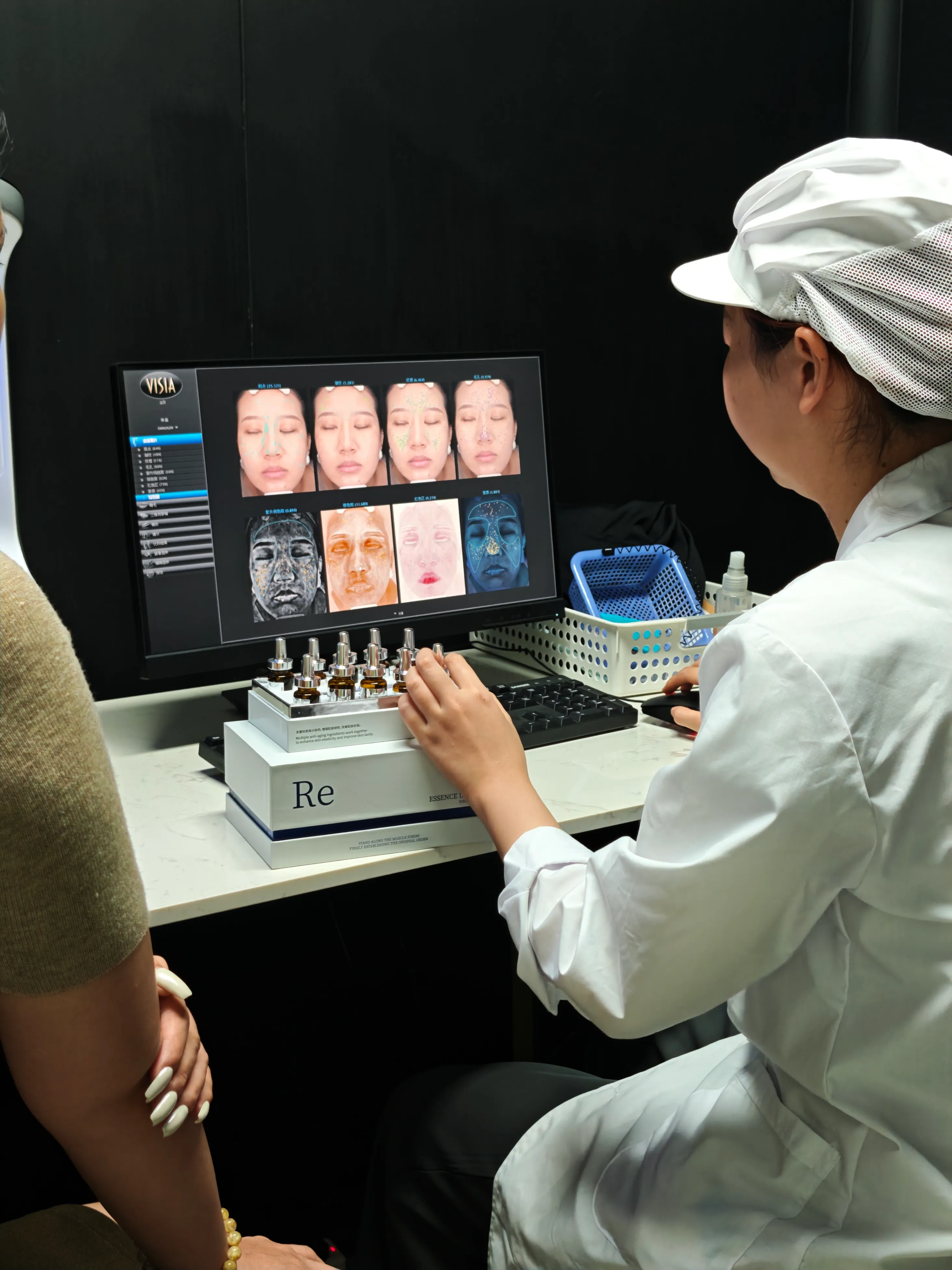
A successful skincare launch does not start with choosing a formula or requesting samples. It starts with defining the product strategy: who the product is for, what problem it solves, where it will be sold, what experience it should deliver and which development route can support those goals.
Brands can choose between ready-formula development, custom formulation or a full-cycle ODM/OEM approach depending on their differentiation needs, timeline, budget and long-term product plans. The best development path is not always the most complex one. It is the one that protects the product idea while reducing unnecessary risk before launch.
Why Skincare Product Development Often Becomes Difficult Before Production Begins
Many skincare projects appear simple at the beginning:
“We need a serum.”
“We want a premium cream.”
“We need samples quickly.”
However, a market-ready product requires decisions across multiple areas:
- Product positioning
- Target customer
- Formula direction
- Texture and sensory experience
- Packaging compatibility
- Safety and stability requirements
- Production feasibility
- Market compliance
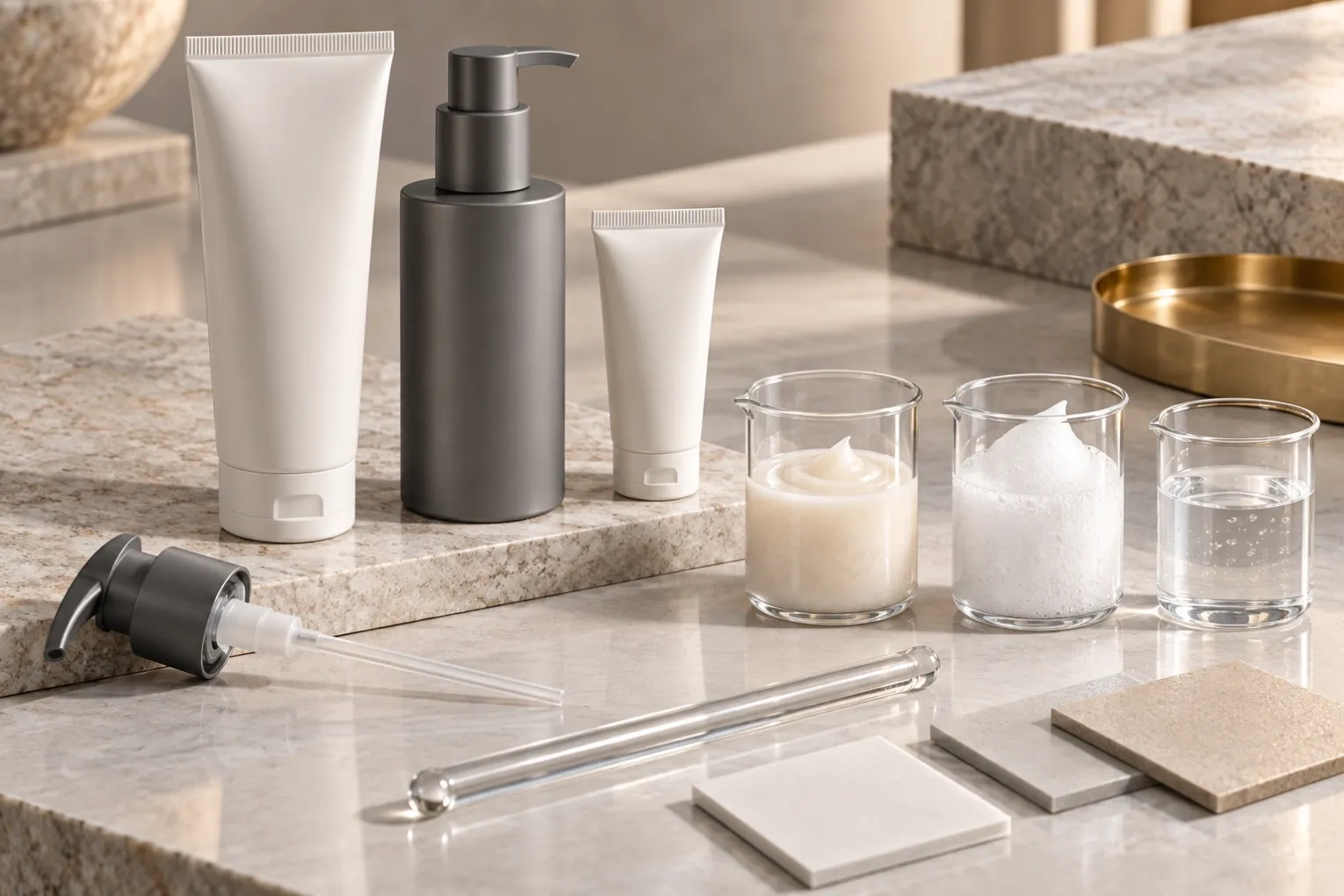
A skincare product is not only a formula inside a container. The formula, packaging, testing process and commercial strategy must work together.
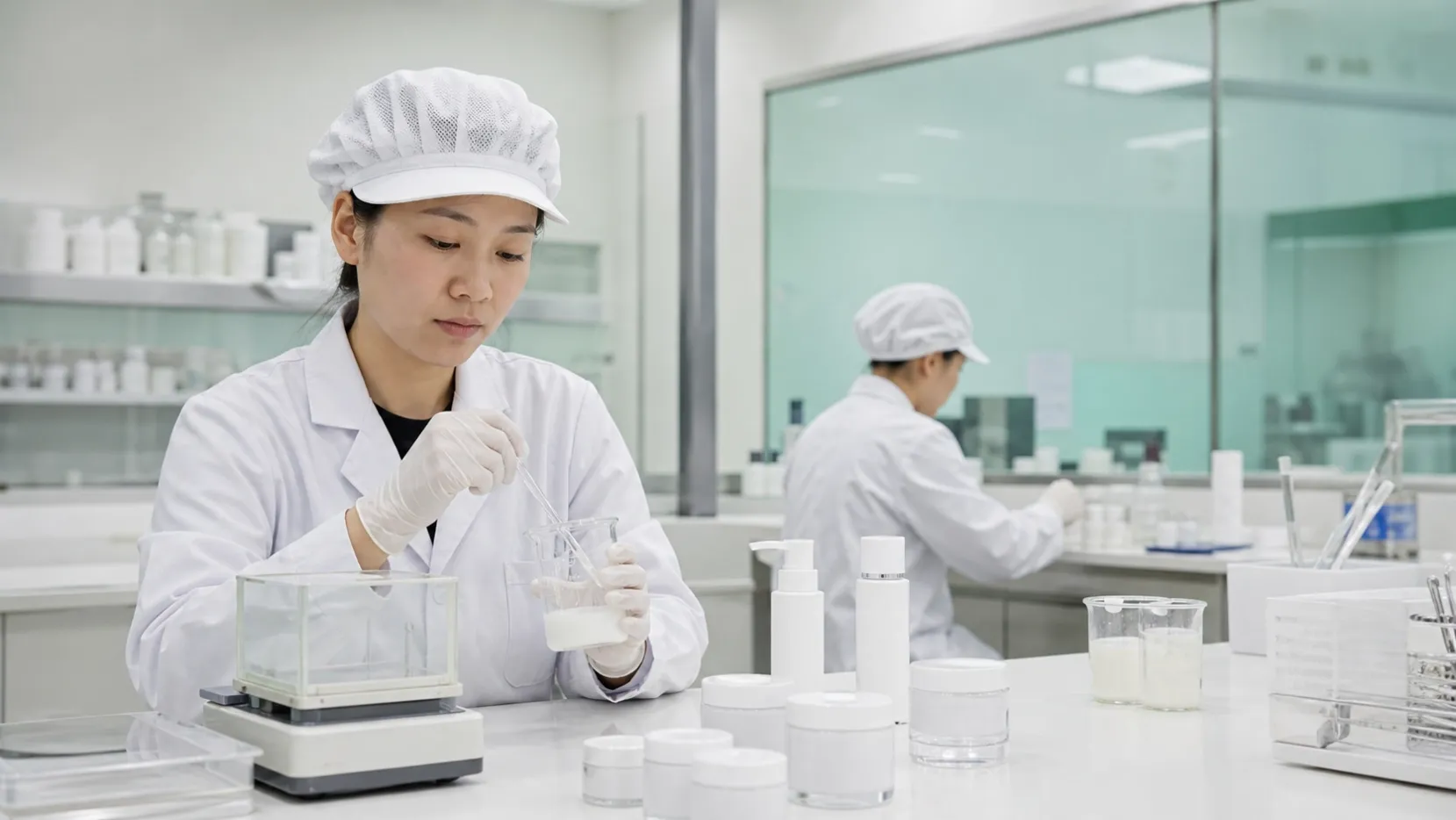
BIO-TIDE’s development approach connects product planning, formulation, packaging, testing and production to help brands move from product brief to market-ready skincare.
Step 1: Start With a Clear Product Brief Before Requesting Samples
A sample request without a clear brief often creates more questions than answers.
Before development begins, brands should define:
Target Customer
Who will buy this product?
Examples:
- Sensitive-skin consumers looking for barrier support
- Young customers seeking daily hydration
- Professional users needing a clinic-oriented product concept
- Premium skincare customers expecting a specific sensory experience
Product Purpose
What role should the product play?
A useful product brief should explain:
“This product should help our customer choose it because…”
This sentence forces the brand to define the real value behind the product.
Market Position
The same formula direction can require different decisions depending on:
- Target country
- Sales channel
- Retail price
- Brand positioning
- Customer expectations
A product sold through a professional clinic may require a different development strategy from a creator-led online launch.
Step 2: Choose the Right Development Route
There is no single “best” skincare development model.
The correct choice depends on what the brand needs to achieve.
Option 1: Ready Formula Development
Ready-formula development is suitable when speed and efficient market entry are priorities.
This approach can work well for:
- New skincare brands launching their first product
- Brands testing market demand
- Projects with controlled budgets
- Products where differentiation comes mainly from branding, packaging or positioning
A mature formula does not automatically mean an ordinary product.
A strong product concept can still be built through:
- Better target positioning
- Improved sensory experience
- Packaging strategy
- Clear customer communication
Option 2: Custom Formula Development
Custom formulation is more suitable when the formula itself is a key part of the brand strategy.
It may be appropriate when brands need:
- Specific texture requirements
- Unique ingredient direction
- A differentiated product concept
- Long-term proprietary product development
Custom development normally requires more detailed communication because the formula is created around the product brief, consumer expectations and technical goals.
Option 3: Full-Cycle ODM/OEM Development
For brands that need broader support, a full-cycle development model can connect:
- Product planning
- Formula development
- Sampling
- Packaging coordination
- Testing
- Manufacturing
ODM usually begins from an established formula direction and focuses on efficient customization, while OEM development creates a product around specific brand requirements and technical goals.
Step 3: Treat Packaging as Part of Product Development
Packaging is not only a visual decision.
The container affects:
- Product dispensing
- Formula compatibility
- User experience
- Production cost
- Stability evaluation
For example:
A cream in a jar and the same cream in an airless pump may require different considerations because the usage environment and formula exposure are different.
A development timeline can change when packaging decisions change late in the process.
Before confirming samples, brands should clarify:
- Packaging format
- Component source
- Expected quantity
- What needs to be evaluated in the final package
Step 4: Plan Stability Testing Before Launch
Stability testing should not be treated as a final inspection step.
It is a decision-making process that connects:
- Formula
- Packaging
- Storage conditions
- Microbiological risk
- Launch requirements
A practical stability plan should consider:
Formula Performance
Including:
- Appearance
- Color
- Odor
- Texture
- Viscosity
- pH changes
Packaging Compatibility
Including:
- Pump performance
- Leakage
- Material interaction
- Dispensing changes
Real-World Conditions
Testing conditions should reflect how the product will actually be transported, stored and used.
A finished product should be evaluated in its intended packaging because a formula that performs well in a laboratory container may behave differently in the final package.
Step 5: Connect Testing Results With Launch Decisions
A stability report should not only answer:
“Pass or fail?”
It should help answer:
“What should we do next?”
Possible decisions include:
Proceed
The product and packaging meet defined expectations.
Proceed With Controls
Additional monitoring, packaging limitations or market conditions need to be considered.
Revise and Retest
Formula, packaging or production adjustments are required.
Hold
The available information is not enough to support launch.
The purpose of testing is not only documentation. It is reducing uncertainty before commercial production.
Common Mistakes Skincare Brands Make Before Launch
Choosing a Development Route Based Only on Cost
The lowest initial cost may create additional changes later if the product direction is unclear.
Requesting Samples Without Enough Information
Without a defined brief, sample feedback often becomes subjective.
Changing Packaging Too Late
Packaging changes can affect formula evaluation and testing requirements.
Focusing Only on Ingredients
A successful product requires more than ingredient selection.
Customers experience:
- Texture
- Packaging
- Convenience
- Brand message
- Product consistency
A Better Way to Plan Your Next Skincare Project
Before contacting a development partner, prepare these key points:
Product Information
- Product category
- Target customer
- Expected product benefit
- Texture preference
Business Information
- Target market
- Sales channel
- Price positioning
- Initial order expectation
Development Direction
- Ready formula
- Custom formulation
- ODM/OEM support
Launch Requirements
- Packaging preference
- Testing expectations
- Timeline goals
A clear brief allows the development team to recommend a more suitable route instead of simply providing samples.
Final Takeaway
The strongest skincare launches are not created by choosing the most complicated development process.
They are created by making the right decisions in the right order:
- Define the product idea.
- Understand the customer.
- Choose the suitable development route.
- Confirm formula and packaging direction.
- Validate stability and production readiness.
From concept to commercial launch, successful skincare development is a process of reducing uncertainty while protecting the product vision.
BIO-TIDE supports skincare brands through formulation, testing, packaging coordination and commercial production, helping brands transform product concepts into market-ready skincare solutions.
Start Your Skincare Development Project
Share your target market, product category, expected benefits and launch plan to identify the most suitable development path for your next product.