Aug 12, 2026Product Strategy
Skincare Manufacturer MOQ: Why Formula and Packaging Change the Starting Quantity
Skincare MOQ depends on formula, packaging, printing and testing. Learn how to plan a viable first order while reducing unnecessary inventory risk.
Answer-First Summary
A skincare manufacturer’s MOQ is not one universal number.
The viable starting quantity is the highest binding minimum across:
- bulk formula
- filling line
- primary packaging
- decoration
- secondary packaging
- commercial buffer
A 5,000-piece starting reference may fit some standard-stock packaging routes; custom moulds, special pumps or complex printing can raise the binding minimum.
Confirm product format and full packaging scheme before confirming final order quantity.
Founders often ask manufacturers “what is your MOQ” expecting a single fixed number, while suppliers commonly reply “5,000 pieces”.
This one-size answer is misleading.
MOQ is a compound system constraint.
One serum may support low volume with standard dropper stock bottles, yet demand much higher quantities with airless pumps and multi-layer printing; custom exclusive components will raise the threshold further.
Each formula has its own feasible production batch.
Bottles, pumps, labels and cartons are sourced from separate suppliers with distinct minimum runs.
Instead of asking for a single figure, brands should clarify:
What is the minimum feasible order for this specific formula, packaging, printing design and launch plan?
When comparing development options, read:
The Seven MOQ Layers Inside One Skincare Product
1. Formula and Bulk Batch
Mixing equipment capacity, raw material packing specifications, production loss rate and bulk stability limit the smallest manufacturable batch.
Small finished filling volumes do not guarantee the base raw material can be mixed cost-effectively on a tiny scale.
2. Primary Packaging
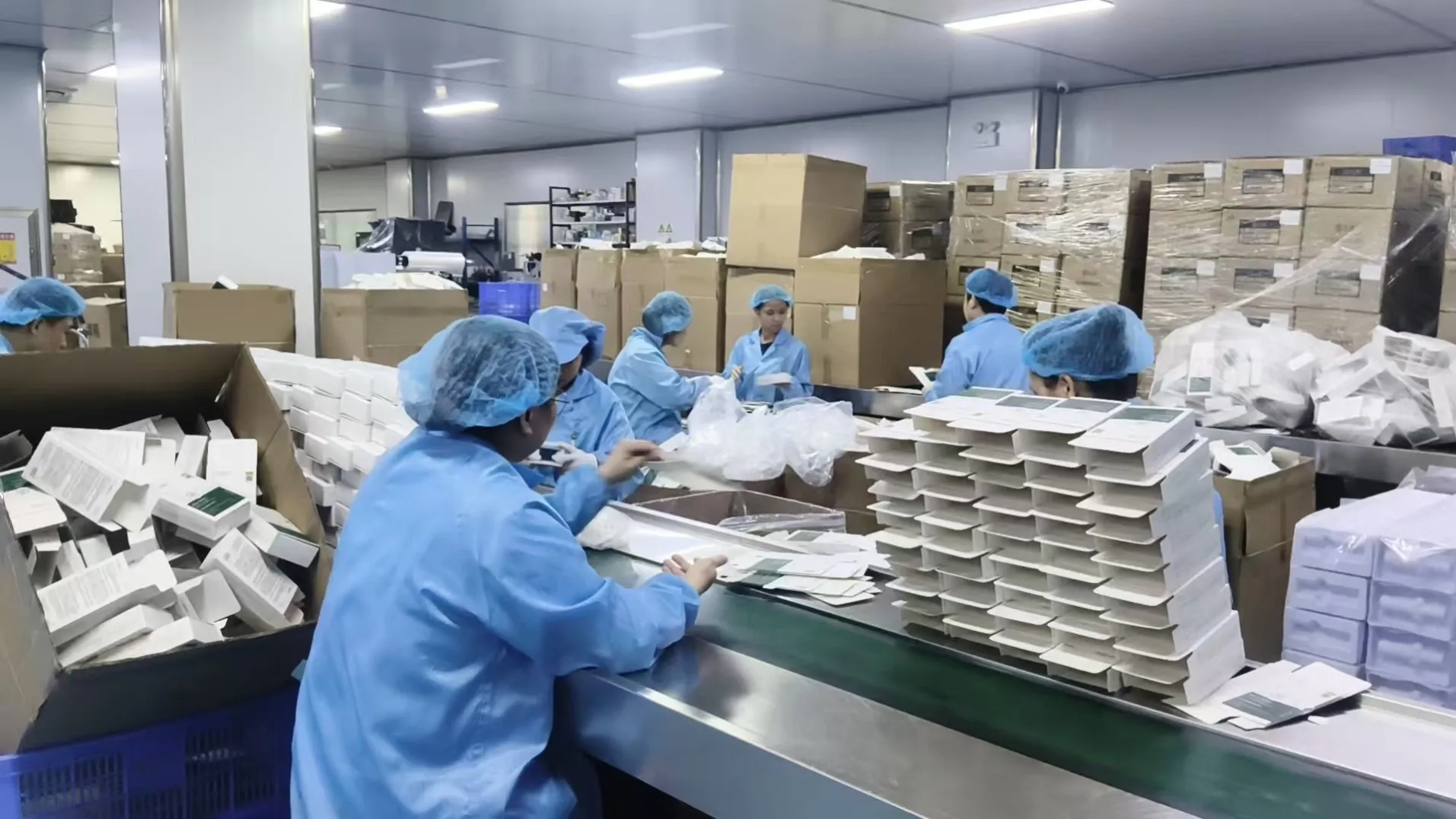
Bottles, jars, tubes, pumps, droppers, sachets and mask bags are usually the biggest limiting factor.
In-stock standard parts offer flexible minimums, while newly opened moulds, special colour matching and exclusive dispensing systems carry much higher supplier minimums.
More packaging details can be viewed at:
skincare packaging development
3. Decoration Processing
Silkscreen printing, hot stamping, coating and metal electroplating all carry fixed setup costs.
Adhesive labels can reduce initial order size compared to direct bottle printing, but each decoration method affects:
- product texture
- wear resistance
- single-unit cost
4. Secondary Packaging
Outer cartons, instruction inserts, packaging sleeves and shipping cartons each have separate printing minimums.
Even if bottles can be produced in small batches, carton factories may require larger printing runs.
5. Filling and Assembly
Production line setup, equipment cleaning cycles, filling precision control and manual assembly for irregular packaging create a minimum economical run.
Special-shaped containers often require more manual labour, raising unit cost for small orders.
6. Testing and Documentation
Safety tests, compatibility verification, stability and microbiology testing, efficacy supporting data and regional filing documents carry fixed one-time fees.
These fixed costs are averaged across total finished units, so small orders bear higher per-product testing expenses.
7. Commercial Buffer and Production Yield
Brands need reserved samples for:
- testing
- retention reference samples
- production line wastage
- defective replacements
Ordering only the exact sellable volume leaves no contingency space for normal production loss.
The Binding-Minimum Rule
Every component of the project has its own separate minimum quantity.
The overall project MOQ is not an average value — it is determined by the component with the unchangeable highest minimum.
Example
Formula mixing and filling support 5,000 units.
Stock bottles also meet a 5,000-unit minimum.
However, custom colour pumps require a 10,000-unit order.
Unless the pump supplier allows partial delivery and warehousing, brands must either:
- switch pump styles
- stock excess components
- accept a higher total finished order quantity
Final quantity judgment must rely on the complete bill of materials, not a generalised number on the official homepage.
Why Two Similar Products Can Have Different MOQs
Project Choice | Lower-Complexity Route | Higher-Complexity Route | MOQ Effect |
|---|---|---|---|
Bottle | Stock component | Custom colour or mould | Custom packaging usually raises the binding minimum |
Decoration | Pressure-sensitive label | Multi-pass direct print / coating | More setup costs and supplier quantity limits |
Formula | Suitable mature base | Bespoke system with special raw materials | Raw material batches may increase minimum bulk volume |
Carton | Standard board and finish | Special structure and multi-layer printing | Print factory minimums become the constraint |
Launch markets | Single target region | Multiple regions with different labels | Order volume split by language versions |
SKU count | Single core product | Multiple scents, shades or capacities | Total volume fragmented across variants |
Six Ways to Design a Viable First Order
1. Focus on One Core SKU for Launch
Launching a single complete product concentrates total order volume, simplifies packaging matching and delivers clearer market feedback, instead of splitting limited stock across multiple underdeveloped variants.
2. Strategically Adopt Stock Packaging
Standard in-stock components do not equal generic identical products.
Unique label design, colour matching, carton styling and brand story can build differentiated brand experience without custom mould costs.
3. Separate Essential Features From Decorative Extras
Distinguish formula texture and core packaging that affect user experience from non-essential decorative treatments.
Simplify extra printing or coating on the first production batch to lower thresholds.
4. Confirm a Single Priority Launch Market First
Multiple label language versions split your order quantity.
Lock one core market for the first release, then expand markets step by step after verifying market feedback.
5. Request a Full MOQ Breakdown
Ask suppliers to split minimums for:
- bulk raw materials
- primary packaging
- printing
- cartons
separately.
This reveals the true limiting link and available alternative schemes.
6. Compare Total Launch Cost Instead of Single-Unit Price Only
A cheaper unit price at ultra-large order size brings heavy inventory and cash flow pressure.
Evaluate total expenditure including:
- setup fees
- spare packaging storage
- testing fees
- warehousing risks
Information to Prepare Before Enquiring About MOQ
Prepare the following information:
- First target market and sales channel
- Product category, texture type and filling capacity
- Preference for mature formula or bespoke custom formulation, or complete product brief
- Preferred packaging type, decoration requirements and acceptable stock alternatives
- Estimated first order volume and target retail price range
- Number of SKUs, fragrances, colour variants or multilingual label versions
- Target launch timeline and existing project bottlenecks
With this full set of information, manufacturers can provide three adjustable A/B/C solutions instead of a rigid fixed number that will be revised later.
A/B/C MOQ Routes for Growth Skincare Brands
Route A — Minimize Initial Order Quantity
Select matching mature formulas, standard stock packaging and simple label printing.
Ideal for brands prioritising:
- fast market testing
- low inventory risk
over fully exclusive custom packaging.
Route B — Prioritise Unique Packaging Experience
Accept higher packaging component minimums, or store surplus parts for follow-up orders, subject to supplier warehousing policies.
Suitable when:
- special dispensing design
- exclusive bottle shape
is the core selling point.
Route C — Prioritise Exclusive Formula Differentiation
Invest budget and cycle time for custom formulation, while simplifying packaging to standard stock options.
Recommended when product competitiveness mainly comes from:
- unique texture
- efficacy
rather than decorative appearance.
BIO-TIDE’s Standard Quantity Reference
BIO-TIDE’s typical starting reference quantity is around 5,000 finished pieces.
This is only a planning benchmark, not a fixed guarantee for all matching of formula, bottle, pump and printing.
For more formulation details, visit:
formula development
BIO-TIDE offers full-cycle support including:
- product planning
- formula R&D
- packaging development
- compliance coordination
- testing
- mass production
- logistics
The first consultation should identify which link restricts your order volume, and propose alternative schemes to protect your core product requirements.
Frequently Asked Questions
What Is a Normal MOQ for Skincare Manufacturing?
There is no universal fixed minimum quantity.
MOQ is determined by:
- formula batch size
- filling volume
- primary packaging
- printing process
- carton requirements
- number of product variants
Request a project-specific breakdown quotation.
Why Is Packaging MOQ Often Higher Than Formula MOQ?
Packaging bottles, pumps and printing services are supplied by independent factories with separate material and printing setup minimums.
The component with the highest supplier minimum will set the overall project order limit.
Can Using a Ready Formula Reduce MOQ?
Not guaranteed.
Mature formulas cut R&D cycles, but packaging or filling line minimums may remain the primary limiting factor.
Does Custom Formulation Always Raise the Minimum Order?
Not necessarily.
Custom formulas may change raw material batch sizes and testing costs, while custom packaging moulds often create a far higher quantity threshold than formulation.
Evaluate the full supply chain system.
Can Unused Packaging Components Be Stored for Subsequent Orders?
Subject to:
- supplier contracts
- storage environment
- component shelf life
- design revision risks
Confirm component ownership, storage period and liability clauses in written agreements.
How Many SKUs Should a New Brand Launch at First?
There is no standard number.
Each extra variant splits your total order volume and increases:
- packaging complexity
- label complexity
- inventory complexity
- forecasting complexity
Launch the smallest effective product line that delivers clear brand value.
What Information Should an MOQ Quotation Include?
An MOQ quotation should include:
- finished goods minimum quantity
- bulk raw material minimum
- packaging and printing minimums
- one-time setup charges
- processing rules for surplus parts
- testing scope
- lead-time assumptions
- adjustments that can lower the binding minimum
Final Decision Rule
Never negotiate MOQ as an isolated single number.
Restructure your whole development route instead.
Prioritise optimising product parts consumers can actually perceive, simplify unnecessary custom decorations, and calculate order volume based on real market demand and cash flow status.
A reasonable, executable first order plan is far better than an attractive nominal low MOQ that collapses once packaging quotes arrive.
Sources
U.S. FDA — Modernization of Cosmetics Regulation Act of 2022 (MoCRA)
https://www.fda.gov/cosmetics/cosmetics-laws-regulations/modernization-cosmetics-regulation-act-2022-mocra
U.S. FDA — Cosmetics Labeling Guide
https://www.fda.gov/cosmetics/cosmetics-labeling-regulations/cosmetics-labeling-guide