Sep 11, 2026Product Strategy
Peptide Skincare Manufacturer Brief: What Brands Should Specify Before Sampling
Use this peptide skincare manufacturer brief to align product role, peptide identity, formula constraints, claims, testing, packaging and scale-up before sampling.

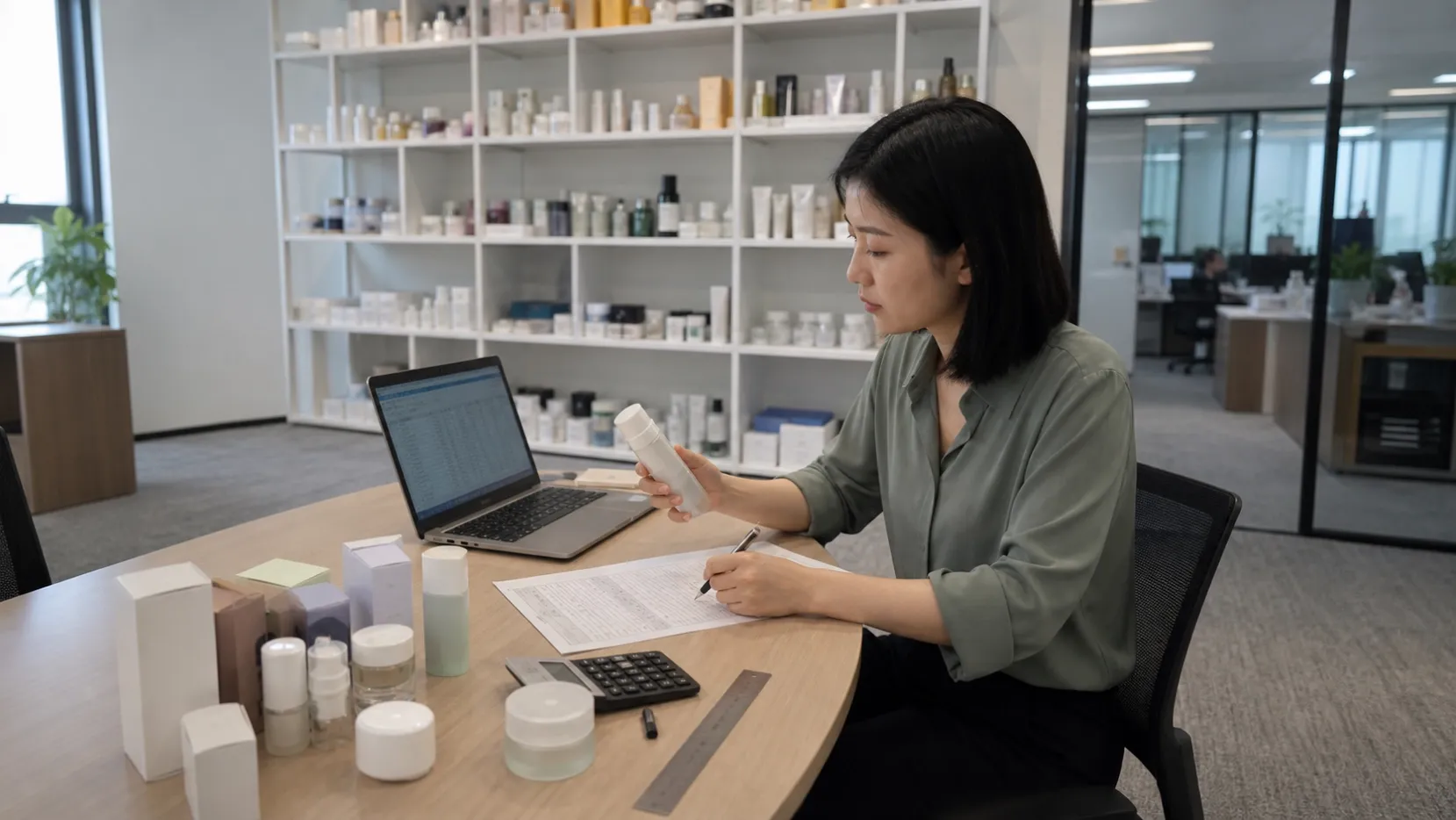
A useful peptide skincare brief does not begin with “add peptides.” It tells the manufacturer what the finished product must do, who will use it, how it should feel and which evidence the brand will need. It also identifies the peptide material clearly enough for formulation, testing and scale-up decisions.
Start with the product job, not the ingredient trend
Define one product, one target user and one main role in the routine. A daily serum for a warm market, a richer night cream and an eye product may all use peptide ingredients, but they create different requirements for texture, packaging, preservation and claims.
Before requesting samples, state:
- Target market and consumer
- Product format and routine step
- Desired texture, finish and fragrance direction
- Priority cosmetic claims
- Pack type, fill size and target price range
- Initial quantity and launch window
If these inputs are still broad, use a market-specific skincare formula brief before choosing the active system. The product job should guide the ingredient choice—not the other way around.
Give the manufacturer exact ingredient and formula inputs
“Peptide complex” is not a complete raw-material instruction. Ask the manufacturer to confirm the identity of the proposed material, the supplier documentation available and the conditions the formula must respect.
Brief item | Why it matters | What to confirm |
|---|---|---|
Ingredient identity | Similar marketing names may refer to different materials | INCI name, trade name, supplier and material code |
Material composition | A peptide blend may include solvents, humectants or preservatives | Full composition and relevant supplier documents |
Proposed use level | It affects cost, formulation space and claim planning | Formula use level and the basis for choosing it |
Process limits | Heat, pH or order of addition may affect the material | pH range, temperature limits and addition stage |
Formula context | The same material can behave differently by format | Serum, gel, emulsion or other target format |
Change control | A supplier or grade change can affect the project | How substitutions will be reviewed and approved |
The European Commission’s CosIng ingredient database can help teams check common cosmetic ingredient names and related information. It is an information tool, not proof that an ingredient is approved for every use. The manufacturer and the brand’s regulatory lead still need to review the current rules for each launch market.
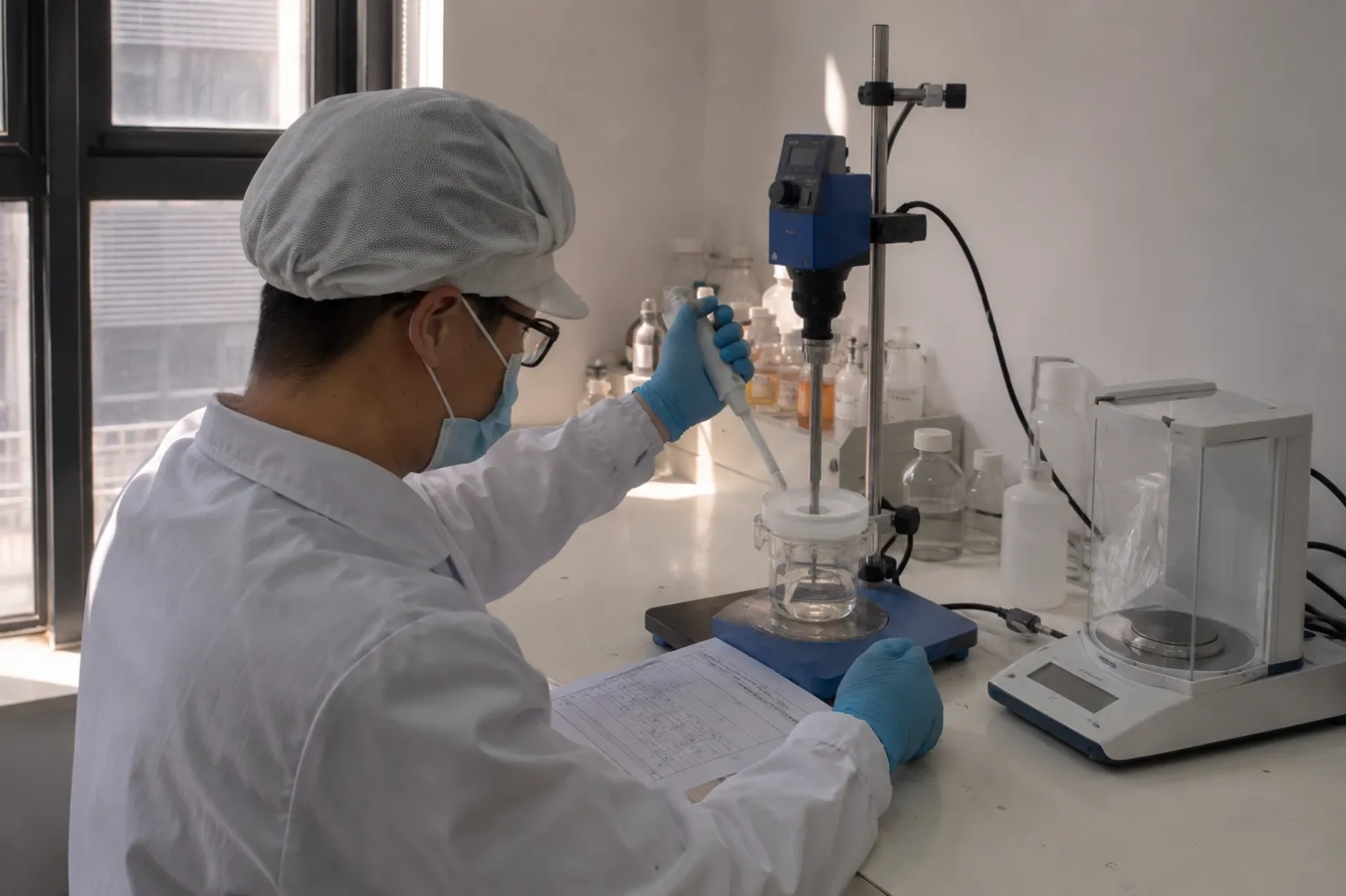
BIO-TIDE’s formula-development approach connects ingredient selection with compatibility, stability, sensory targets and production feasibility. That wider formula context is essential when a peptide material is part of the product story.
Separate the peptide story from the finished-product claim
Supplier data can explain why a material is interesting. It does not automatically prove what the finished serum or cream will do. The base formula, concentration, packaging, use instructions and test method all affect the final claim.
Write planned claims before testing begins. Then label each one as:
- An ingredient-presence statement
- A sensory or appearance claim
- A consumer-perception claim
- An instrumental claim
- A claim that may cross into drug or therapeutic territory in a target market
In the EU, Commission Regulation (EU) No 655/2013 requires cosmetic claims to have adequate, verifiable support. It also says an ingredient’s properties should not be presented as finished-product properties without suitable evidence. Use the claim wording to design the evidence plan, and have the final wording reviewed for the destination market.
For a practical workflow, connect this step to a cosmetic claims substantiation plan before packaging copy is approved.
Build the test plan around the final formula and pack
Testing should follow the real product—not an isolated ingredient sample. Agree on the decision each test must support and when it will be run.
- Bench screening: check appearance, odor, pH, texture and obvious incompatibility during early formula work.
- Stability review: define conditions, checkpoints and acceptance criteria for the market-ready formula.
- Microbiological planning: for water-based products, discuss preservation risk and whether a challenge test is needed.
- Packaging compatibility: test the formula with the intended container, closure and dispenser.
- Pilot and scale review: compare the approved bench sample with pilot or production output.
A skincare stability testing plan and a pre-filling packaging compatibility checklist help turn those steps into written approval gates.
Ask the manufacturer to show the trade-offs
A good development partner should explain what changes when the brief changes. More ingredients are not always better, and a higher use level is not automatically a stronger product.
Ask for a short trade-off note covering:
- Texture and skin feel
- Formula stability and preservation
- Raw-material lead time and minimum order constraints
- Packaging compatibility
- Testing scope and claim options
- Cost and launch timing
This makes the sample discussion more useful. Instead of judging only whether a sample “feels good,” the brand can see which choices protect the product goal and which add cost or risk without a clear benefit. The BIO-TIDE R&D Lab can help connect these choices across formulation, testing and scale-up.
Send a sample-ready peptide skincare request
Before asking a peptide skincare manufacturer for samples, send one clear package:
- A finished-product brief with target market, user and product role
- Exact peptide material requirements, or permission to recommend options
- Sensory references with specific likes and dislikes
- Priority claims and the evidence expected
- Intended packaging and fill size
- Target cost, first-order quantity and launch timing
- Named approval gates for formula, testing, packaging and scale-up
Not sure whether your peptide concept is ready for sampling?
BIO-TIDE can help evaluate:
- Product positioning
- Peptide material and formula direction
- Testing and claims plan
- Packaging and scale-up requirements
Frequently Asked Questions
What should a peptide skincare brief include before requesting samples?
State the target market and consumer, product format and routine step, desired texture, finish and fragrance direction, priority cosmetic claims, pack type, fill size and target price range, plus initial quantity and launch window. These inputs let the product job guide the peptide choice, rather than the ingredient trend dictating the brief.
Why is "peptide complex" not a complete raw-material instruction?
Because similar marketing names can refer to different materials. Confirm the INCI name, trade name, supplier and material code, review the full composition including any solvents, humectants or preservatives in a blend, agree the use level and the basis for choosing it, and define process limits such as pH range, temperature limits and addition stage, together with change control.
Do supplier studies prove what a finished peptide product will do?
No. Supplier data explains why a material is interesting, but the base formula, concentration, packaging, use instructions and test method all affect the final claim. In the EU, Commission Regulation (EU) No 655/2013 requires claims to have adequate, verifiable support and warns against presenting an ingredient's properties as finished-product properties without suitable evidence.
What trade-offs should a peptide manufacturer explain?
Ask for a short trade-off note covering texture and skin feel, formula stability and preservation, raw-material lead time and minimum order constraints, packaging compatibility, testing scope and claim options, and cost and launch timing. This shows which choices protect the product goal and which add cost or risk without a clear benefit.