Sep 11, 2026Product Strategy
How to Build a Market-Specific Skincare Formula Brief Before ODM Development
Define climate, consumer routine, sensory targets, claims evidence and packaging before asking an ODM to formulate for a new skincare market.

A market-specific skincare formula brief should define the target user, climate, routine, finished-product experience and evidence plan before ingredients are selected. Give the ODM one clear market and one product job to solve. This reduces vague sampling rounds and keeps formula, packaging, claims and launch decisions connected from the start.
Start with the finished product the customer should experience
An ingredient list is not a product brief. The same active can behave differently when the pH, emulsion, preservative system or packaging changes. It can also create a texture that does not suit the routine or climate you are targeting.
Begin with a finished-product target instead:
- Who will use the product, and in which market?
- What should the product do in the routine?
- What texture, finish and application experience should it provide?
- Which claims are essential, and what evidence will support them?
- What price, pack format and launch date must the project respect?
This is the practical version of finished-product-first skincare R&D: define the result first, then translate it into formula and raw-material requirements.
Put six decision inputs in the ODM brief
Use the table below to turn a broad product idea into information a formulation team can act on.
Brief input | What it changes | What to send the ODM |
|---|---|---|
Target market and user | Formula priorities, regulatory review and use context | Country or region, user profile and current routine |
Climate and logistics | Texture direction, stability plan and pack risk | Typical selling season, storage route and distribution conditions |
Product role | Format, dosage, layerability and finish | Routine step, time of use and products applied before or after it |
Sensory target | Emulsion structure, rheology and packaging choice | Two or three reference products plus precise likes and dislikes |
Claims and evidence | Ingredient selection, test design and development scope | Priority claims, target market and acceptable evidence route |
Commercial limits | Feasible development route | Target cost, pack size, initial quantity and launch window |
Do not write “lightweight,” “premium” or “suitable for all skin types” without explaining what those words mean for your buyer. A useful brief converts them into observable decisions: quick break, low residue, no pilling under sunscreen, controlled fragrance level, or a specific dispensing experience.
Translate local context into testable choices
Localization is more than changing the label language. Climate, routine length, preferred finish, distribution conditions and local claim rules can change what a good finished product looks like.
For example, a brand entering a warm, humid market may prioritize fast break, low after-feel and clean layerability. A project facing long distribution routes may need the stability and packaging plan to be defined earlier. These are starting hypotheses, not universal rules. Confirm them with the brand’s consumer knowledge, market samples and test criteria.
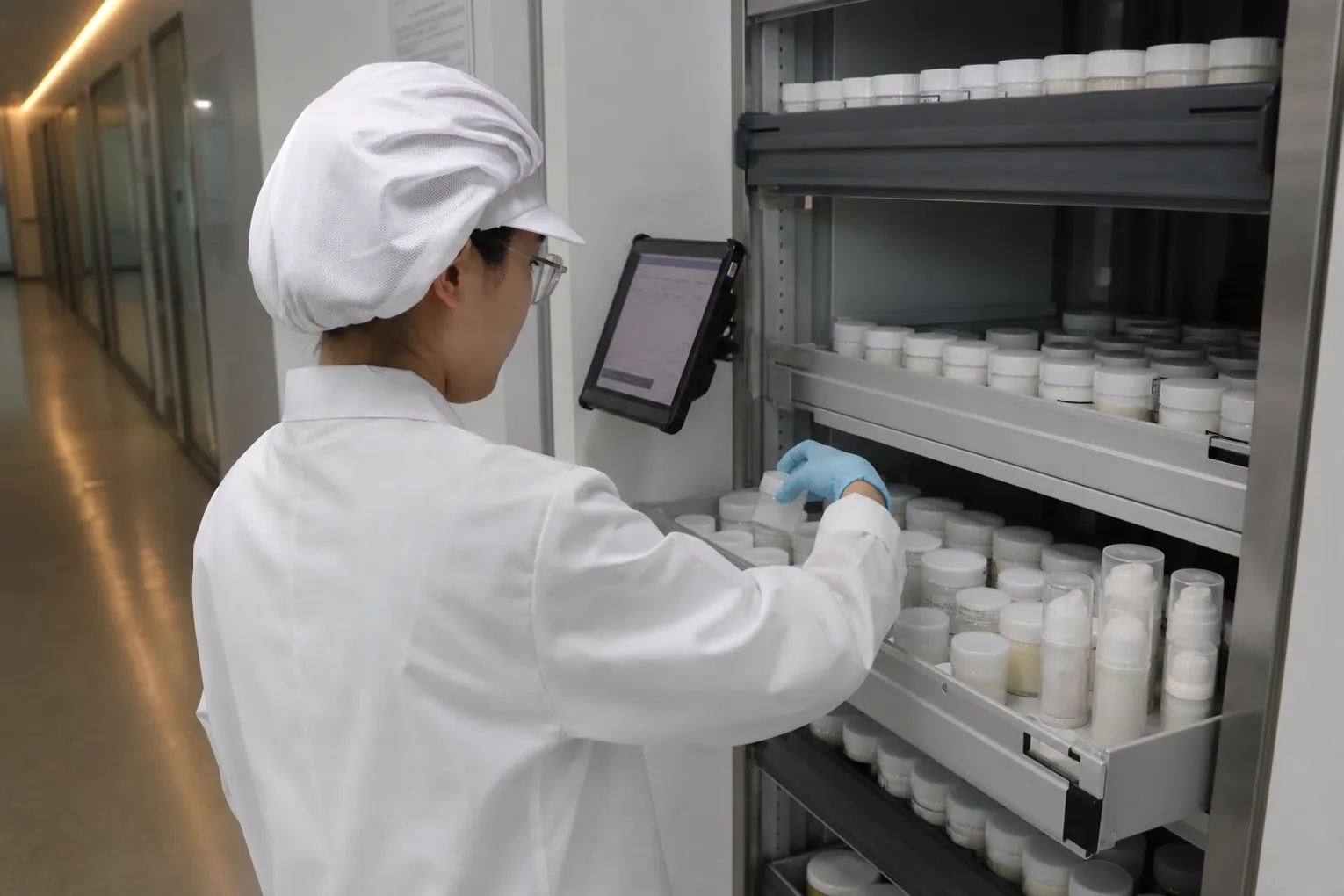
The useful question is not “Can this successful formula be copied?” It is “Which parts of the product experience must stay consistent, and which parts must change for this market?” Our Chinese-market formulation brief shows how the same logic can be applied to one defined market rather than treated as a global default.
Keep ingredient potential separate from finished-product proof
Peptides, recombinant collagen and fermented botanical ingredients may support a strong product concept, but their presence alone does not prove how the finished formula will perform. Solubility, pH tolerance, compatibility, preservation, processing and storage all belong in the development discussion.
Ask the ODM to document four things:
- Why the ingredient system fits the intended product job.
- Which formula conditions must be controlled.
- Which finished-product tests support the planned claims.
- Which trade-offs affect texture, cost, packaging or timeline.
This distinction also matters for market communication. In the EU, Commission Regulation (EU) No 655/2013 requires cosmetic claims to be supported by adequate, verifiable evidence and warns against implying that a finished product has an ingredient’s properties when it does not. For the US, the FDA’s MoCRA overview states that the responsible person must maintain records supporting adequate safety substantiation. Your regulatory lead should confirm the exact requirements for each launch market.
Set decision gates before sampling begins
A brief becomes more useful when it names the points where the brand must approve, revise or stop the project. A practical sequence is:
- Concept alignment: confirm user, market, product role and priority claims.
- Formula direction: agree on texture, active-system logic and known trade-offs.
- Bench sample review: evaluate application, finish, odor, color and routine fit against the brief.
- Test-plan approval: define stability, safety, claims and packaging checks for the target market.
- Packaging confirmation: test the market-ready formula with the actual container, closure and dispenser using a pre-filling packaging compatibility plan.
- Pilot and scale review: compare the approved sample with pilot output before commercial production.
Each gate should have an owner, evidence to review and a written approval criterion. That prevents a late request—such as a different finish, dispenser or headline claim—from quietly resetting the formula.
Give the ODM a problem worth solving
A capable ODM should do more than choose ingredients from a catalogue. It should help translate the brief into formula architecture, raw-material requirements, testing, packaging decisions and a realistic route to scale. BIO-TIDE’s formula-development approach starts with market relevance, compatibility, stability and production feasibility rather than a trend ingredient alone.
Before requesting samples, prepare:
- One target market and user profile
- The product’s role in the routine
- Sensory references with specific feedback
- Priority claims and evidence expectations
- Pack direction, cost range and launch window
Not sure whether your brief is specific enough to formulate?
Frequently Asked Questions
What should a market-specific skincare formula brief include?
Six decision inputs: target market and user; climate and logistics; product role, including routine step and products applied before or after it; a sensory target with two or three reference products; priority claims with an acceptable evidence route; and commercial limits such as target cost, pack size, initial quantity and launch window.
Why does climate matter in an ODM formula brief?
Climate changes what a good finished product looks like. A brand entering a warm, humid market may prioritize fast break, low after-feel and clean layerability, while long distribution routes may require the stability and packaging plan to be defined earlier. Climate and logistics also shape texture direction, stability planning and pack risk.
Can a successful formula be copied directly into a new market?
The more useful question is which parts of the product experience must stay consistent and which must change for the target market. Localization is more than changing label language: routine length, preferred finish, distribution conditions and local claim rules can all change what a good finished product looks like.
Why keep ingredient potential separate from finished-product proof?
Because presence alone does not prove performance. Peptides, recombinant collagen and fermented botanical ingredients may support a strong product concept, but solubility, pH tolerance, compatibility, preservation, processing and storage all affect the finished formula. Ask the ODM to document why the ingredient system fits the product job, which formula conditions must be controlled, which tests support the claims and which trade-offs apply.