Sep 11, 2026Product Strategy
Skincare Manufacturing Lead Time: Build a Realistic Launch Schedule
Map skincare manufacturing lead time across briefing, formulation, packaging, testing, approvals and production so your launch date is based on real dependencies.
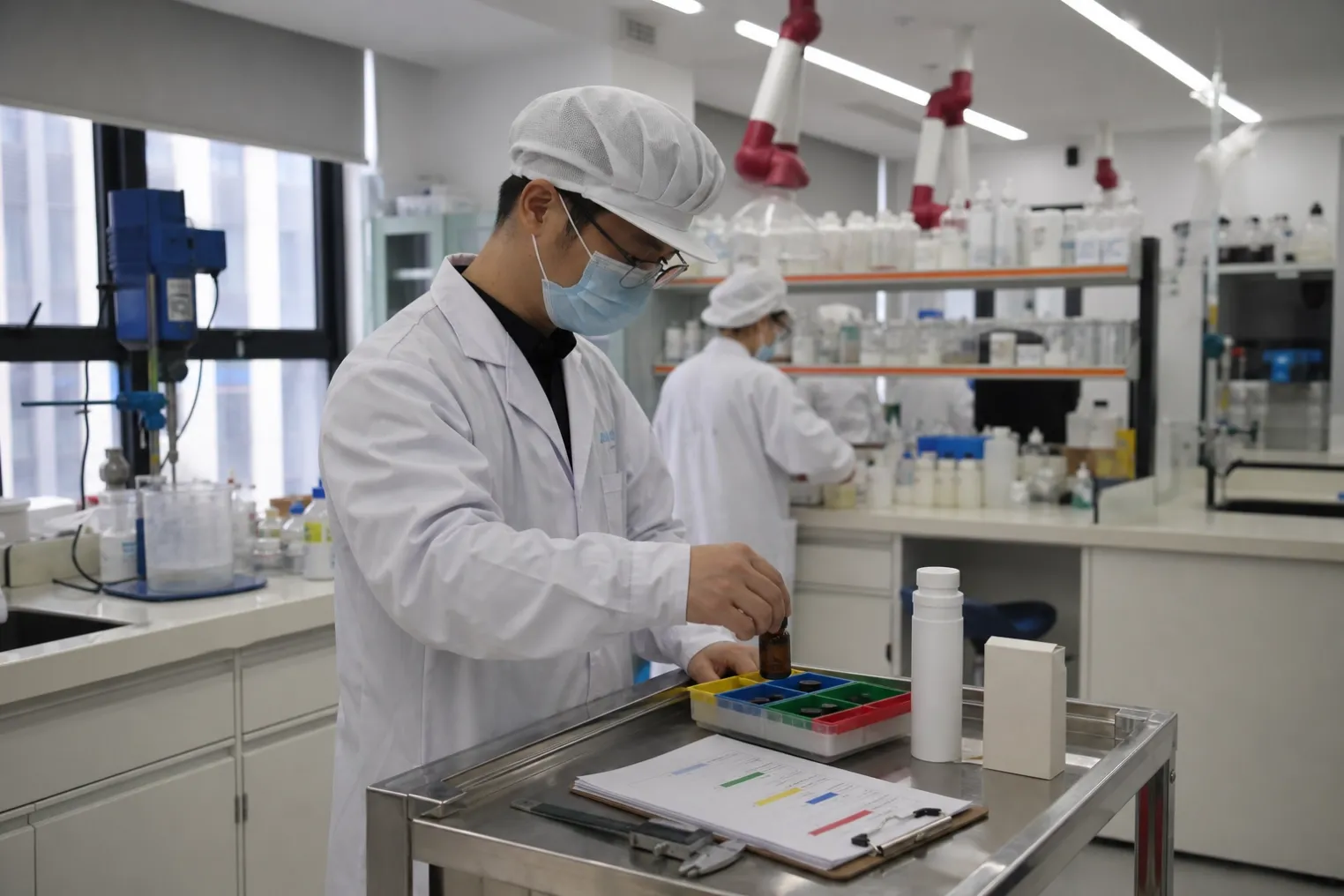
Skincare manufacturing lead time is not one fixed number. It is the combined time needed to lock the brief, choose a formula route, approve samples, secure packaging, complete the right tests, prepare documents and schedule production. Build the launch date from these dependencies, then add decision time for your own team. A promised date is only credible when every critical input has an owner and an approval gate.
Build the schedule from gates, not a single promised date
Project gate | What must be approved | Typical source of delay |
|---|---|---|
Commercial brief | Market, product type, target cost and order assumptions | The brief changes after formula work begins |
Formula route | Ready formula or custom development, with allowed changes | The route is chosen before claims, texture or pack needs are clear |
Sample approval | Formula version, sensory target and written acceptance points | Feedback is subjective, late or spread across several people |
Packaging and artwork | Exact component, decoration, coding and final files | A component is selected without availability or compatibility review |
Testing and documents | Market-specific test plan and evidence responsibilities | Tests begin before the formula and pack are stable enough to evaluate |
Scale-up and production | Approved specification, materials, batch slot and release plan | Open changes remain when the batch is scheduled |
Put these gates on one shared timeline. A task can run in parallel only when a later change will not invalidate it. For example, early packaging sourcing can save time, but final compatibility work should use the intended formula and component rather than a close substitute.
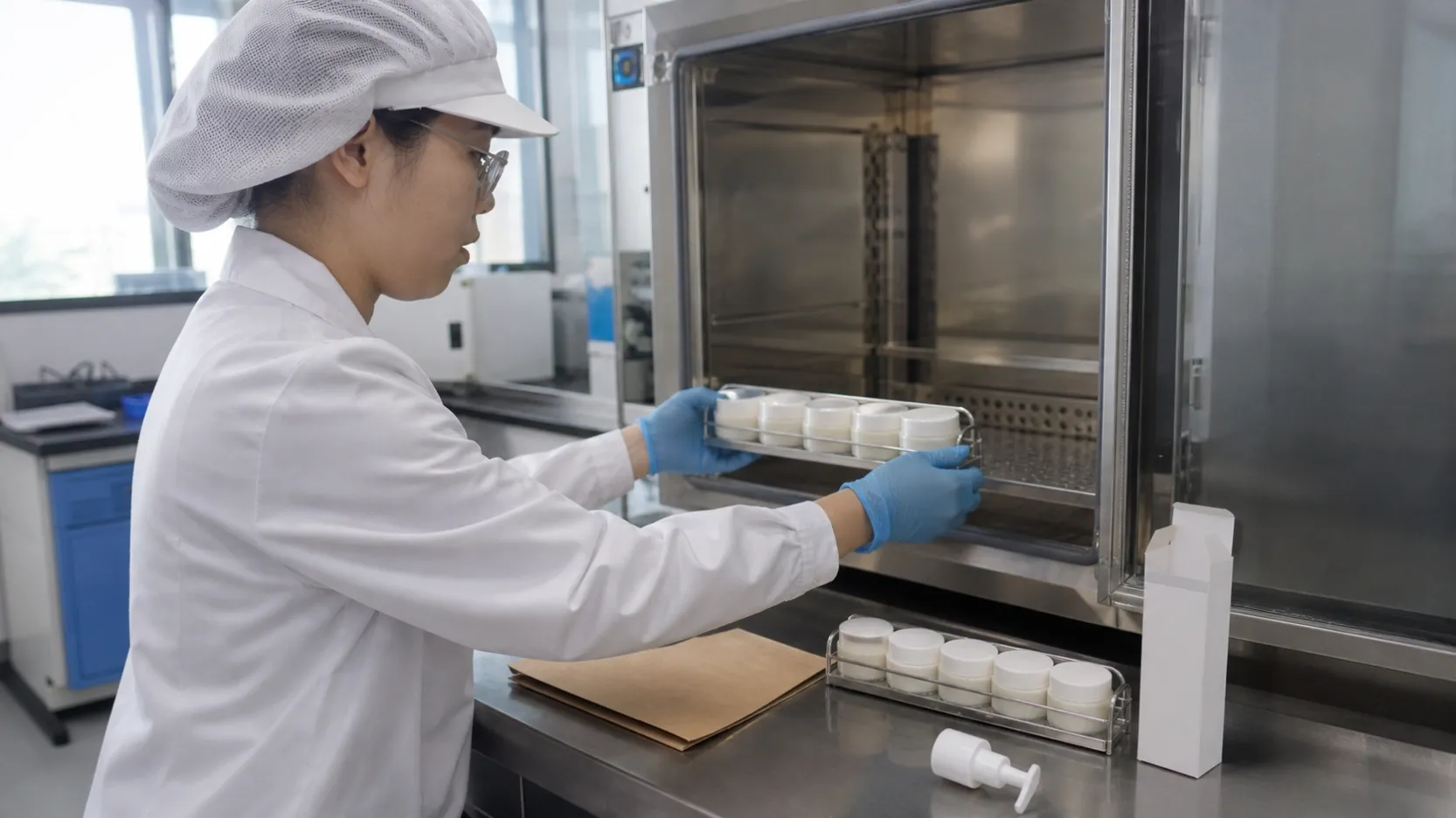
A realistic launch plan treats sample storage, testing and review as decision gates, not invisible time inside a supplier quotation.
1. Lock the commercial brief before technical work expands
The first schedule risk is usually an incomplete brief. Define the target user, product format, texture, pack type, claims direction, launch market, target cost and order assumptions. These inputs do not need to be perfect, but they must be specific enough to expose trade-offs. BIO-TIDE’s R&D and product-development workflow shows the type of early information a development team may need before it can plan samples and later scale-up work.
- Name one person who can approve formula, packaging and artwork decisions.
- Separate must-have requirements from preferences that may change.
- Record assumptions that still need supplier confirmation.
2. Choose the formula route before promising the launch date
A ready formula may shorten early development when it already fits the product concept, market and packaging plan. Custom formulation creates more room for a specific texture, ingredient story or performance target, but usually adds iterations and review gates. Compare the ready-formula and custom-formulation routes before using a sample date as the basis for the full launch schedule.
- Define which formula changes are allowed without restarting approval.
- Set a feedback deadline for every sample round.
- Freeze the approved formula version before scale-up instructions are prepared.
3. Put packaging on the same critical path as the formula
Packaging can control the launch even when the bulk formula is ready. Confirm component availability, decoration method, minimum quantities, artwork deadlines and the exact pack used for evaluation. A pump, jar or tube also affects filling and product use. Plan formula–packaging compatibility work around the intended component rather than treating packaging as a final design purchase.
- Ask which component features can change between sample and production.
- Keep artwork approval separate from physical component approval.
- Show packaging supplier dates and formula dates on the same schedule.
4. Treat testing and evidence as project inputs
FDA guidance on cosmetic product testing explains that it does not prescribe one list of tests for every cosmetic product, while manufacturers or distributors remain responsible for product safety. This is why a timeline should be based on the actual formula, packaging, use conditions and target market—not a copied test package.
Plan stability, microbiological, compatibility, claims and other required work with the relevant technical and regulatory teams. The skincare stability testing plan can help teams decide what must be known before testing starts and what decisions the results will support.
- Name the test owner, sample version and pass/fail decision for each study.
- Do not begin a final program while major formula or pack changes remain open.
- Keep regulatory and customer-document lead time visible beside laboratory work.
5. Schedule scale-up, production and release as separate stages
ISO 22716:2007 provides GMP guidance for cosmetic production, control, storage and shipment. Those activities create distinct planning needs. A production slot is not the same as a released, packed and ready-to-ship order. Confirm when materials are available, when the batch can be made, which in-process and finished-product checks apply, who releases it and when shipment preparation begins.
- Tie production instructions to the approved formula and specification.
- Confirm the latest acceptable date for material and packaging arrival.
- Define the release documents needed before goods can ship.
6. Show brand approval time on the schedule
Supplier lead time is only part of the project. Add the days your own team needs to consolidate feedback, approve samples, sign artwork, answer open questions and authorize changes. One late approval can move several connected tasks. Use a weekly decision log with the item, owner, due date, evidence and consequence of delay.
Reset the date when a critical assumption changes
Do not protect an old launch date after a major formula revision, packaging substitution, new market requirement, failed approval gate or missed component date. Recalculate the critical path and decide whether to change the scope, use a different route or move the launch. A transparent reset is more useful than compressing testing, review or release work without understanding the risk.
Skincare manufacturing lead-time FAQ
How long does skincare manufacturing take?
There is no reliable universal answer. The route depends on formula readiness, sample rounds, component supply, testing, documents, production capacity and brand approval speed. Ask for a milestone schedule with assumptions rather than one unsupported total.
Can formulation and packaging run in parallel?
Some sourcing and design work can run in parallel. Final decisions that depend on formula–pack interaction should use the intended versions. Mark which parallel tasks may need to restart after a change.
What should a manufacturer provide before confirming the date?
Ask for the proposed route, open assumptions, required brand inputs, supplier dependencies, test and document gates, production-slot logic and the next approval milestone. The level of detail should match the project stage.
Need a realistic launch schedule?
BIO-TIDE can help evaluate:
✓ Formula route and revision scope
✓ Packaging and component dependencies
✓ Testing and document gates
✓ Order assumptions and target launch date