Aug 7, 2026Formulation & Testing
Developing Skincare for Cold-Climate Markets
Explore formula, texture, packaging and product-positioning considerations when developing skincare for cold and dry climate markets.
Introduction
Cold weather can influence how consumers experience dryness, tightness and discomfort.
Outdoor cold, wind and heated indoor environments may create strong demand for moisturizing and barrier-support products.
However, developing skincare for a cold-climate market is not simply a matter of making every formula heavier.
Successful regional development requires a balance between protection, absorption, layering, packaging and local consumer preferences.
1. Understand the Complete Usage Environment
Cold-climate consumers may move repeatedly between:
- Low outdoor temperatures.
- Windy conditions.
- Heated indoor spaces.
- Low-humidity environments.
- Public transport.
- Offices and homes.
The formula should therefore be considered in both outdoor and indoor contexts.
A product that feels suitable outside may feel excessively heavy indoors. Conversely, a very lightweight product may not provide the desired comfort during prolonged cold weather.
Regional development should begin with the actual consumer routine.
2. Prioritize Hydration and Moisture Retention
Cold-climate product concepts commonly focus on:
- Immediate hydration.
- Reduced tight-feeling skin.
- Moisture retention.
- Comfortable protective after-feel.
- Daily barrier support.
Humectants can support water retention, while emollient and occlusive components may influence softness and protection.
The final balance should depend on the product category and intended routine.
For example, a serum may focus on hydration and layering, while a cream may provide a richer finishing step.
3. Design a Layered Product Routine
Instead of relying on one extremely rich product, brands can build a routine with complementary textures.
Step 1: Gentle Cleanser
Designed to cleanse without leaving the skin feeling excessively dry.
Step 2: Hydrating Toner or Essence
Provides a lightweight hydration layer.
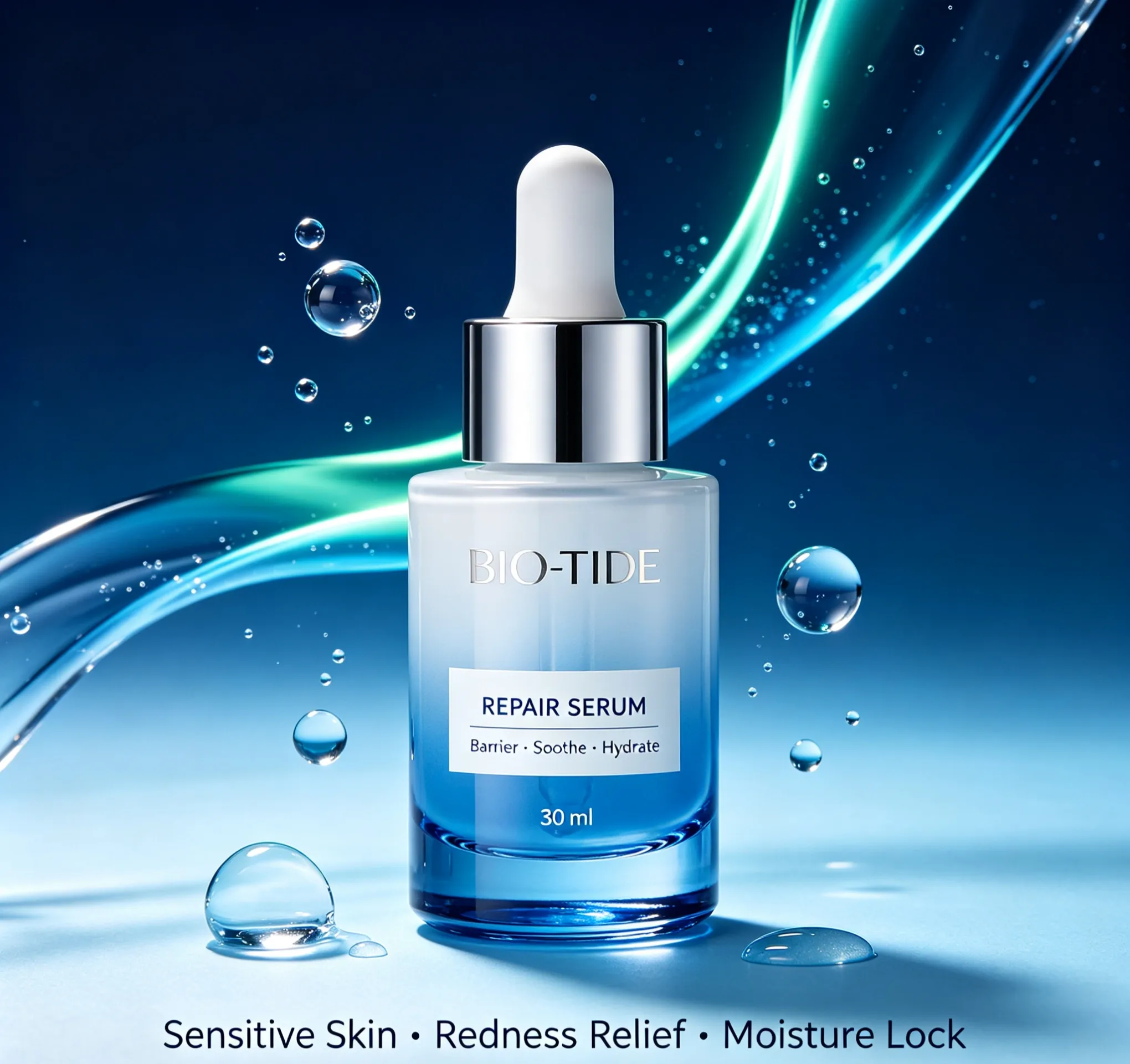
Step 3: Hydrating or Barrier-Support Serum
Adds targeted moisture and skin-comfort benefits.
Step 4: Protective Moisturizing Cream
Helps create a more comfortable finishing layer.
Step 5: Targeted Care
Lip care, hand care, eye care or overnight products can address specific seasonal needs.
A layered portfolio also creates more opportunities for future product expansion.
4. Consider Texture Carefully
Cold-climate formulas are not required to feel greasy or excessively dense.
Consumer texture preferences may include:
- Rich but easy to spread.
- Protective without excessive stickiness.
- Comfortable under makeup.
- Fast enough to absorb indoors.
- Suitable for layering.
- Soft rather than waxy after application.
Different seasonal products may use different textures.
For example:
- A lightweight emulsion for daytime use.
- A richer cream for nighttime use.
- A concentrated balm for targeted areas.
- A fluid serum under multiple products.
The product should be tested in the context of the intended routine.
5. Barrier-Support Positioning
Barrier-support products are often relevant to cold and dry environments.
A product brief may focus on:
- Dry and tight-feeling skin.
- Sensitive-feeling skin.
- Rough texture.
- Discomfort caused by environmental dryness.
- Seasonal changes in skin condition.
Claims should remain appropriate to cosmetics and supported by the product’s actual evaluation.
Avoid presenting general skincare products as medical treatments unless they fall within the appropriate regulated category.
6. Gentle Cleansing Matters
Consumers may focus heavily on moisturizing products while overlooking cleanser selection.
A cleanser intended for a cold-climate routine should consider:
- Cleansing strength.
- After-wash feel.
- Foam preference.
- Usage frequency.
- Makeup-removal requirements.
- Water temperature and local habits.
The goal is not to claim that the cleanser does not cleanse. It is to balance effective daily cleansing with a comfortable after-feel.
7. Packaging for Cold Conditions
Packaging performance may change in low temperatures.
Potential considerations include:
- Product viscosity becoming higher.
- Pump performance.
- Tube flexibility.
- Closure sealing.
- Product dispensing.
- Container durability.
- Transportation exposure.
A cream that dispenses correctly at room temperature may become more difficult to pump after exposure to cold conditions.
Packaging should therefore be evaluated together with the final formula.
8. Seasonal Product Planning
Brands entering a cold-climate market may consider both year-round and seasonal products.
Year-Round Products
- Gentle cleanser.
- Hydrating toner.
- Daily serum.
- Lightweight moisturizer.
Autumn and Winter Products
- Rich moisturizing cream.
- Protective balm.
- Overnight mask.
- Hand cream.
- Lip-care product.
Seasonal planning can help brands introduce new products without making the core range overly large.
9. Product Communication
Regional product communication should explain:
- When the product is used.
- Where it fits in the routine.
- The intended texture.
- The main cosmetic benefit.
- Which seasonal concern it addresses.
- How it can be layered with other products.
Avoid relying only on technical ingredient names.
Consumers and distribution partners need to understand the practical value of the product.
Cold-Climate Product Development Checklist
Before beginning development, clarify:
- Is the product intended for year-round or winter use?
- What is the primary consumer concern?
- Will the product be used indoors, outdoors or both?
- Should the finish be lightweight, rich or protective?
- How will it layer with other products?
- Does the packaging dispense correctly at lower temperatures?
- Is the formula suitable for the target market?
- Are the product claims appropriate and supportable?
How BIO-TIDE Supports Regional Development
BIO-TIDE develops skincare directions around climate, target consumers, product format and brand position.
For cold-climate markets, the process may include hydration and barrier-care concepts, texture adjustment, packaging review and target-market documentation support.
Conclusion
Cold-climate skincare development requires more than increasing the richness of a formula.
The product should balance hydration, moisture retention, sensory comfort, layering and packaging performance across outdoor cold and heated indoor environments.
Develop for a Cold-Climate Market
Share your target region, product category, consumer profile and preferred texture with the BIO-TIDE team.