Market & Brand Development
Saudi Arabia's 2026 Cosmetics Rule Changes: What Skincare Brands Should Recheck
Saudi Arabia's 2026 cosmetics changes: January enforcement of compliance, expanded testing parameters including MIT/MCIT, and a 2027 packaging ban. What a skincare brand should recheck.
Saudi Arabia's cosmetics rulebook changed in 2026, and the changes bite in three places: since January 1, importing or manufacturing non-compliant products is prohibited; the safety testing parameters were expanded to new product groups and new preservatives; and a packaging ban is already scheduled for 2027. For a Chinese-manufactured skincare line, each change lands on a different document — the test reports, the formula dossier, and the packaging roadmap. Here is what moved, and what to recheck.
The January 1 enforcement line
The SFDA requires every cosmetic product to be safe and to meet the applicable technical requirements before it enters the Kingdom. What changed is the enforcement: from January 1, 2026, importing or manufacturing products that do not comply is prohibited. Products already on the market have a sell-through window under the transition arrangements — but new shipments are assessed against the updated rules from day one, which makes the conformity file a launch prerequisite rather than a parallel task.
The expanded testing parameters
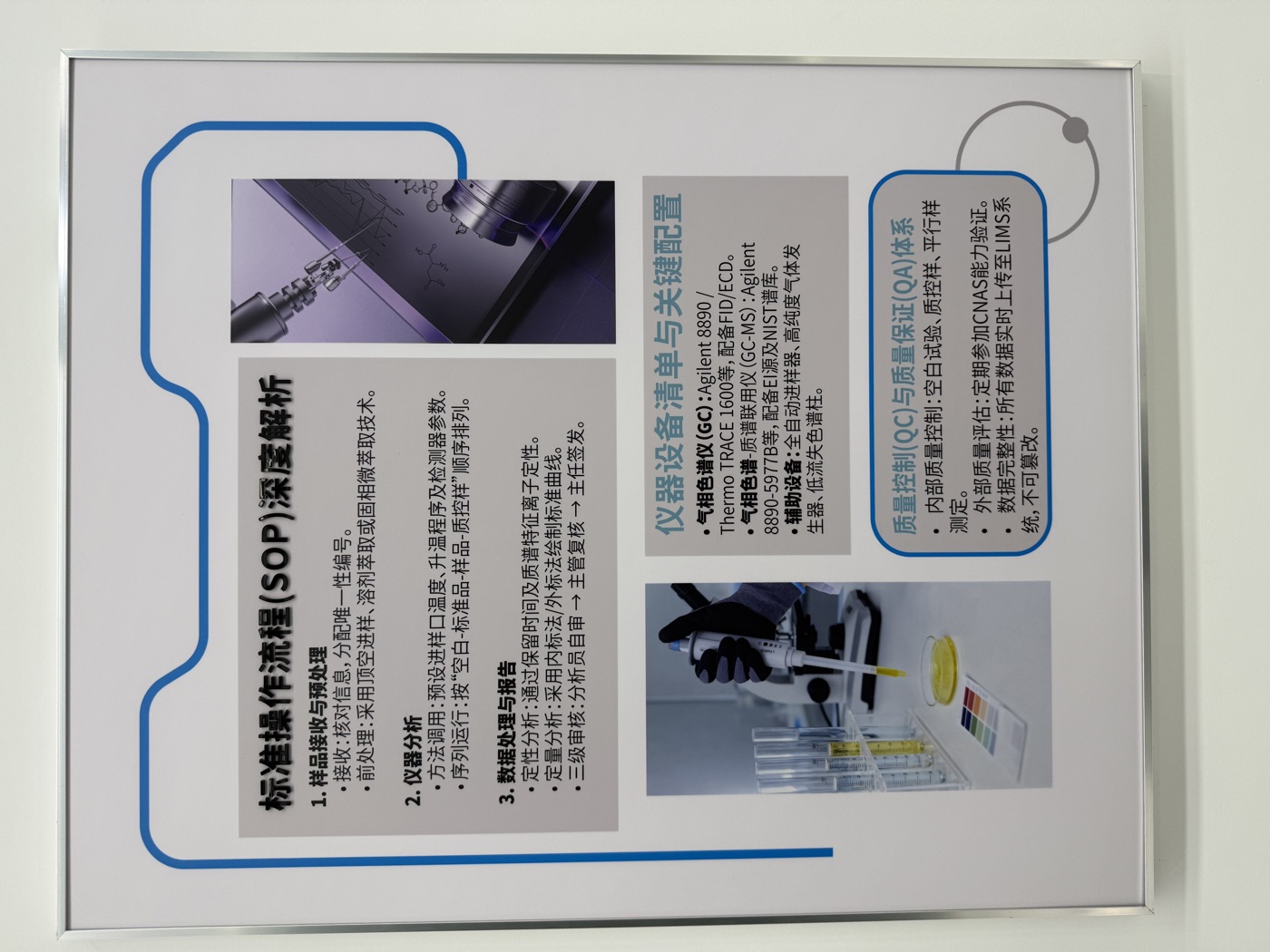
The SFDA revised its test parameters for cosmetics and perfumery in three directions. Microbiological testing now covers certain hair dyes, lip care products and selected hair care items. Preservative testing now includes methylisothiazolinone (MIT) and methylchloroisothiazolinone (MCIT), preservatives with a tightening regulatory history. And the substance lists — permitted, restricted and prohibited — were updated, alongside an asbestos-free verification requirement for relevant products. For a brand importing from China, the practical question is whether the test reports behind the file were run against the new parameters; an older report set may simply not answer the current questions.
The 2027 packaging preview
One more deadline is already on the calendar: syringe-style packaged cosmetics are banned from January 1, 2027, with manufacturers and importers expected to withdraw or reformulate affected products by the end of 2026. If any SKU in a planned line uses that format, the packaging decision needs revisiting now — not after the tooling is paid for.
The label layer and a caveat about SASO
The labeling basics are stable: warnings and safety instructions in Arabic or bilingual Arabic-English, and the standard consumer information set — product name, country of origin, full INCI ingredient list, manufacturer, batch number, shelf life, function and precautions — under the GSO standards, with the SFDA notification completed before import. A separate note is spreading through trade channels: SASO's Circular 247 requires on-product supplier name and commercial registration numbers for ten product categories from October 1, 2026, on pain of no Certificate of Conformity. Cosmetics are regulated by the SFDA rather than the SASO scheme, but importers handling mixed-category shipments should verify with their certification provider whether any of their lines fall in scope.
What to recheck this quarter
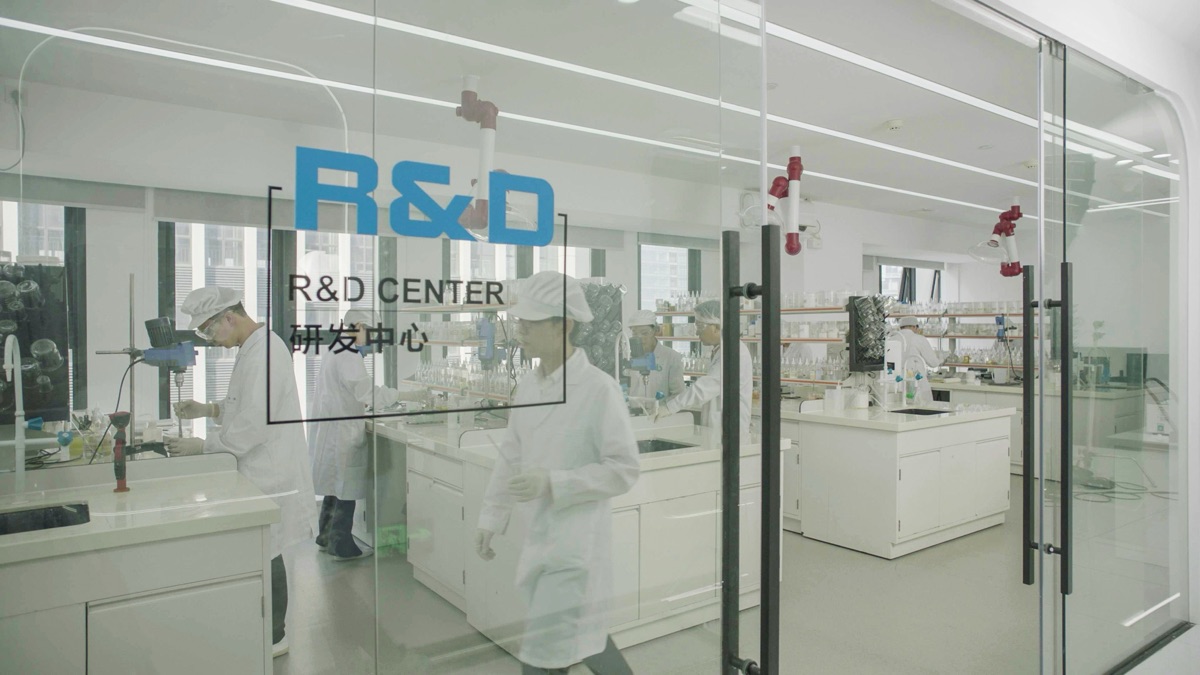
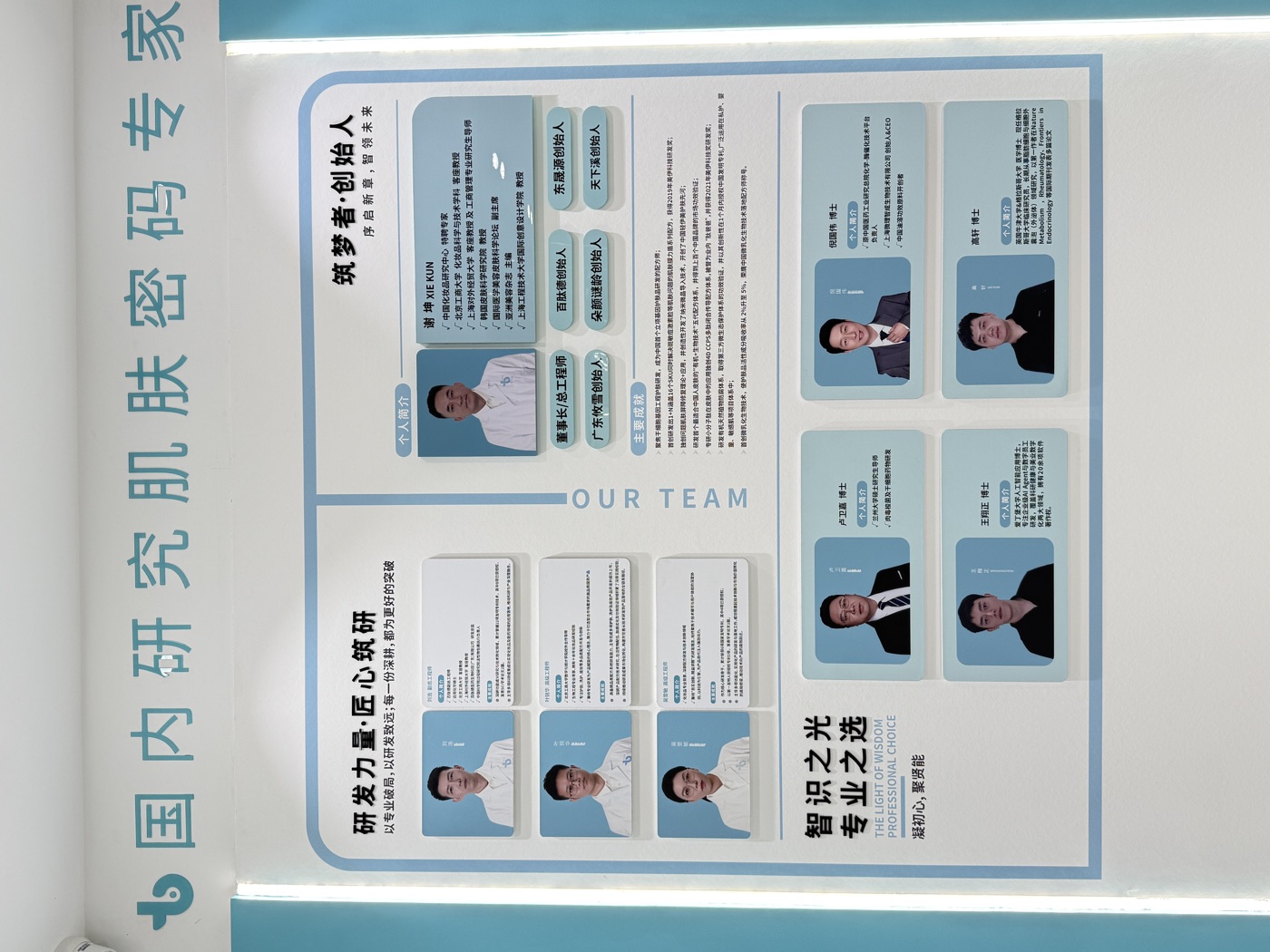
Three checks cover most of the exposure: confirm the test reports in the product file match the expanded parameters — microbiology for the relevant categories, MIT/MCIT for preserved formulas, and the updated substance lists; walk the formula dossier against the revised permitted and restricted lists; and review the packaging roadmap against the 2027 format ban. BIO-TIDE's compliance coordination covers refreshing test documentation and formula dossiers against current parameters — the regulatory judgments stay with the party of record for your SFDA notification and the testing bodies.
Frequently Asked Questions
Are products already on the Saudi market affected?
The January 1 prohibition applies to importing or manufacturing non-compliant products; goods already on the market have a sell-through period under the transition arrangements. New shipments, however, are assessed against the updated requirements immediately.
Which products need the new microbiological testing?
The revised parameters add microbiological testing for certain hair dyes, lip care products and selected hair care items, alongside MIT and MCIT preservative testing. Check whether the test reports in your product file were run against these parameters.
Do Saudi labels have to be in Arabic?
Warnings and safety instructions must be in Arabic or in Arabic and English, and the standard consumer information set applies under the GSO standards. Bilingual Arabic-English labels are the common practical choice for imported skincare.
What happens on January 1, 2027?
Syringe-style packaged cosmetics are banned from that date, with withdrawal or reformulation expected by the end of 2026. Any SKU planned in that format should be re-specified before tooling is ordered.
The filing side of the Saudi entry — the eCosma notification process and the supporting document pack — is covered in our earlier guides. To start a line whose test reports and documentation match the 2026 parameters from the start, talk to our team. The regional overview is on our Middle East market page.