Sep 15, 2026Manufacturing & Quality
Cosmetic Change Control: 6 Questions Before Approving a Formula or Packaging Change
Use this six-question change-control check to decide what a skincare formula or packaging change needs before the next sample or production run.

A formula or packaging change is not automatically small because the product still looks the same. Before the next sample or production run, name the change, assess what it can affect, decide what to recheck, and record who can release it.
That is cosmetic change control. It gives the brand, supplier, and quality team one shared route for a planned change before it reaches a batch.
When a change needs control
Use a change-control check when a formula, raw material, supplier, package, artwork, process, specification, or test method changes. The aim is not to slow every edit. It is to decide whether the edit changes product identity, quality evidence, claims, compatibility, or the production record.
A planned change is different from an unplanned manufacturing deviation. Change control asks what needs review before the change happens.
Name the exact before and after
“Change the pump” is too broad. Record the current item, the proposed item, the reason, and the affected SKU or market. A good request lets a person who was not in the meeting understand what will change.
Start from the current approved skincare specification. If it is unclear, the team cannot tell whether the proposed version is equivalent or new.
Ask what the change can affect
A useful review is specific. A new supplier may affect material documentation. A different pump may affect dose, leakage risk, or compatibility. New artwork may affect mandatory information. A process change may affect the instructions that guide the next batch.
Quick review prompts:
• Formula or raw material — does identity, supplier, grade, or use level change?
• Packaging component — does the container, closure, pump, or material change?
• Artwork — does label or claim copy change?
• Process — does a mixing, filling, coding, or in-process step change?
Decide what needs to be checked again
Do not repeat every test by habit. Match the evidence to the risk. A container or closure change may need a compatibility review. A formula or preservative-system change may need stability or microbiological work. A labeling change may need a market-specific regulatory review. A process change may need an agreed trial or confirmation run.
ISO 22716 places production, control, storage, and shipment within one cosmetic good-manufacturing-practice framework. In practice, the decision should travel with the working instructions—not stay only in an email thread.
Set a clear release decision before execution
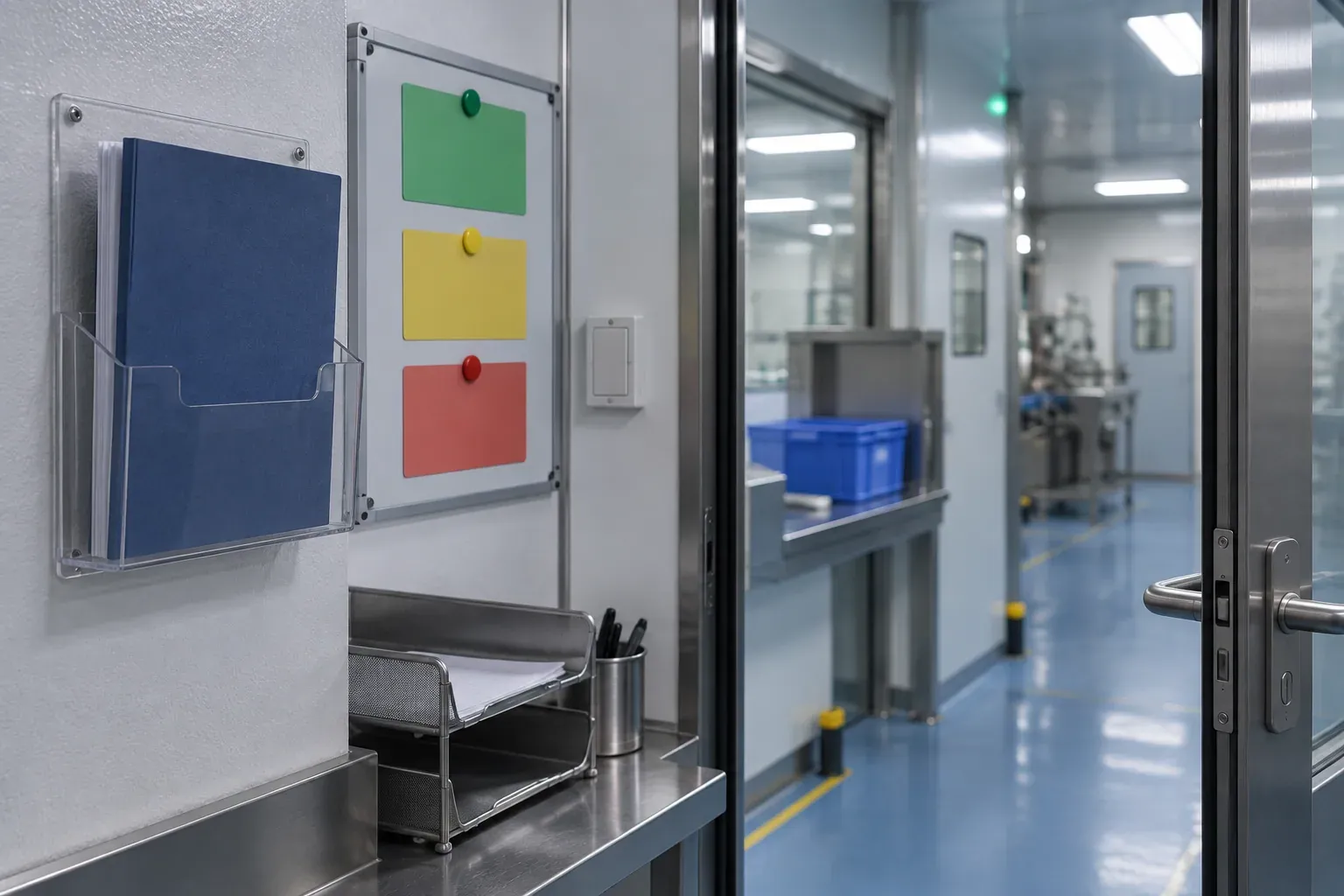
Each request needs an owner, a reviewer, a decision date, and a simple outcome: approved, approved with conditions, or not approved. List the documents and samples that must be updated before the new version is used.
The FDA cosmetic GMP inspection checklist includes written manufacturing and control instructions among its quality-system questions. This is a practical reminder to connect a decision with the right working record; it is not a facility approval template.
Make sure only one version reaches the next run
Before sampling or production, confirm the formula version, packaging code, artwork file, specification, and instructions all point to the same approved change. Retire or clearly mark superseded files. This simple version check prevents a familiar problem: a correct change made with an old document.
Close the loop after the change
After the sample or run, record what was actually used and whether the agreed checks were completed. If the result differs from the plan, stop and assess it rather than quietly treating it as a routine edit. Then carry the accepted evidence into batch-release review.
Need a change-control review before your next run?
BIO-TIDE can help evaluate:
• product and market impact
• formula, packaging, and artwork dependencies
• development budget and timing
• the evidence needed before the next sample or production run
Review My Change-Control Plan