Sep 8, 2026Manufacturing & Quality
Cosmetic Preservative Challenge Test Sample Submission: What Brands Should Send
Prepare a cosmetic preservative challenge test sample submission with controlled formula identity, representative samples, packaging context and clear retest rules.
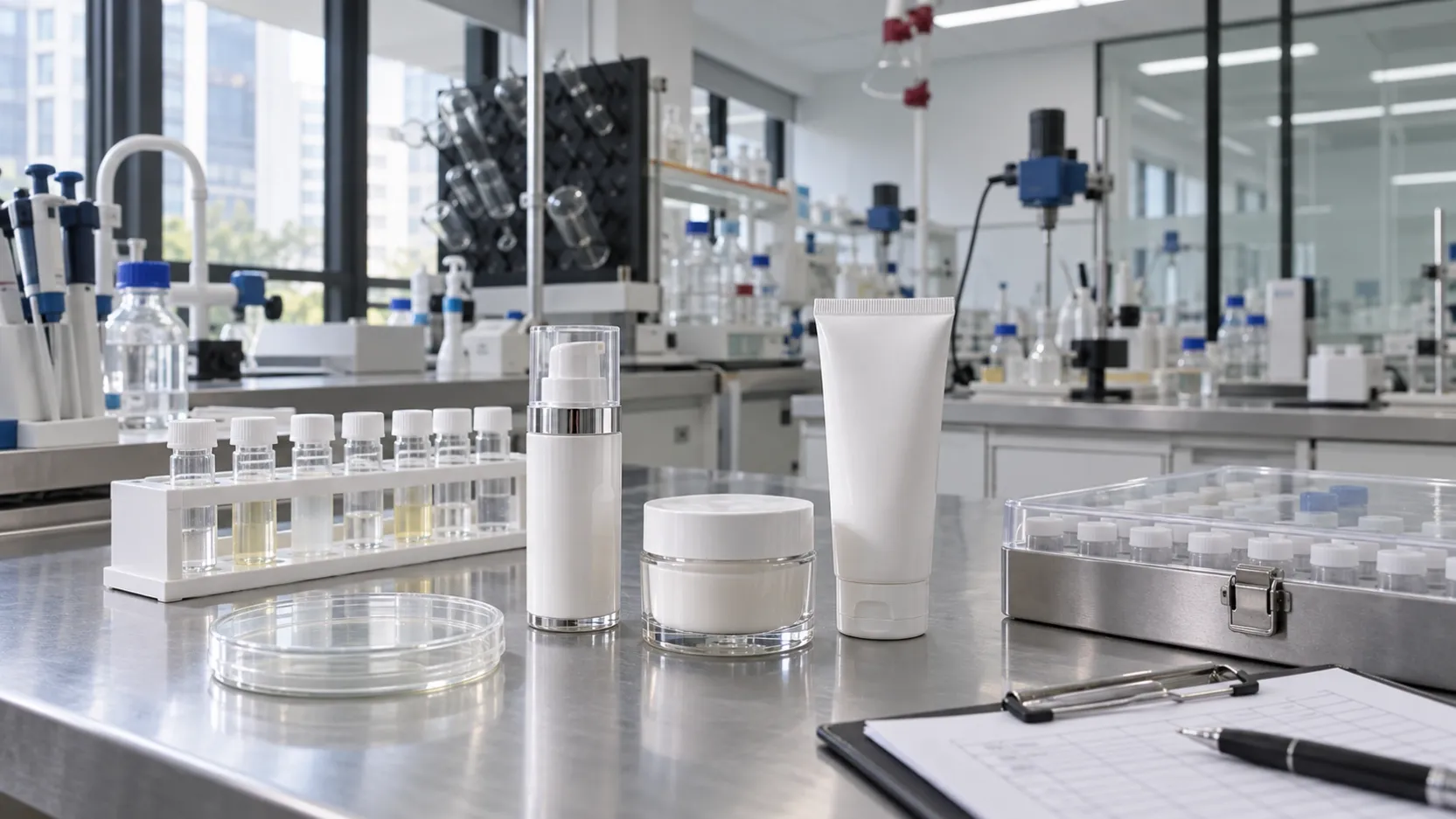
A cosmetic preservative challenge test sample submission should identify the exact formula being tested, why the sample represents the intended product, how it was made and packed, and what decision the result will support. Send enough units for the agreed method, controls and repeats, but do not ship an unlabeled laboratory jar and expect the report to approve a market-ready product.
Send a decision-ready sample set
Ask the testing laboratory or your manufacturing partner to confirm the required quantity, container type, shipping conditions and documents before dispatch. Keep one matched retain sample from the same batch.
Submission item | What to record | Why it matters |
|---|---|---|
Formula identity | Product name, formula code, version and batch or sample number | Prevents a result from being applied to the wrong revision |
Manufacturing record | Preparation date, site, scale and relevant process notes | Shows how the submitted sample was produced |
Sample condition | Fill date, container, seal, storage and shipping condition | Helps explain damage, leakage or an unusual result |
Product profile | Product form, pH range, intended use and target user | Supports a product-specific risk discussion |
Test instruction | Agreed method, report addressee and decision owner | Keeps the result connected to a defined approval step |
Consult the laboratory before choosing the number of units or test schedule. These depend on the selected method, product risk and whether confirmatory work may be needed.
Confirm that the formula is ready for this test
Challenge testing should not be used to choose between unstable sample versions. Before submission, confirm that the formula code and preservative approach are controlled, the sample meets its current appearance and pH criteria, and no unrecorded adjustment was made after manufacture.
Use the approved skincare product specification sheet as the comparison point. If the project is still defining the purpose of challenge testing, first review what cosmetic preservative challenge testing evaluates.
Record factors that may affect antimicrobial protection, including preservative level, pH, fragrance, botanical extracts, chelators, surfactants and water activity where relevant. Supplier data can inform the review, but it does not replace evidence from the finished formula.
Include packaging and use conditions
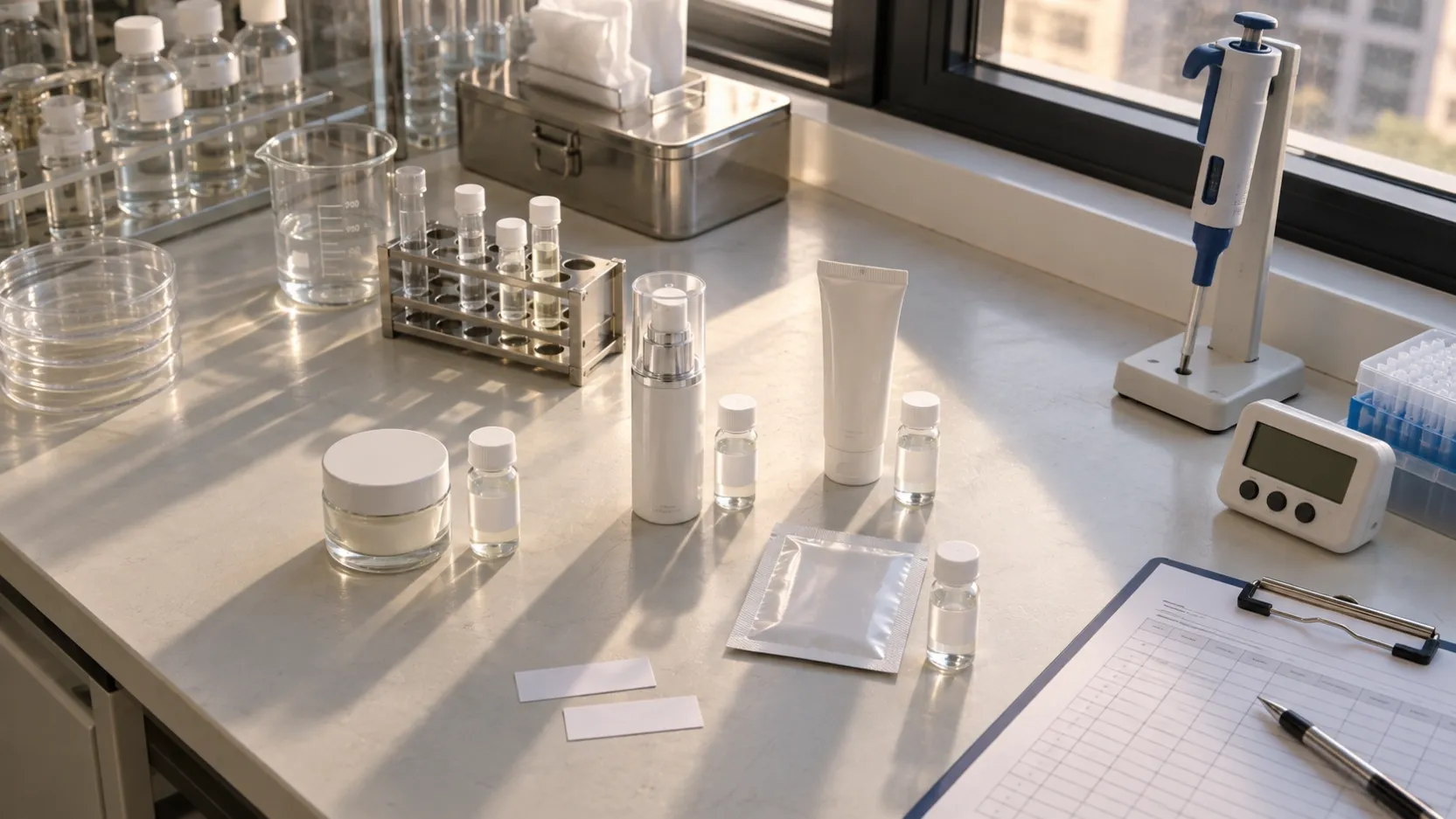
The laboratory may test product removed from its container, but the submission brief should still describe the intended pack and consumer use. A wide-mouth jar, treatment pump and airless system create different contamination and dispensing conditions.
If commercial packaging is not final, state that clearly. Connect the result later to the skincare packaging compatibility test plan and the wider skincare stability testing plan. A challenge-test report does not by itself prove pack compatibility, stability or microbiological quality at batch release.
Define the decision before shipment
Write down what will happen after a pass, an atypical result or a failure. Name the people who can approve the formula for the next stage, request an investigation or require reformulation and retesting.
ISO 11930:2019 specifies a procedure for interpreting preservation efficacy test data and/or microbiological risk assessment when evaluating a cosmetic product's antimicrobial protection. The standard is currently published but marked by ISO as being revised, so confirm the applicable edition and any market-specific expectations with the responsible technical parties.
The FDA's microbiological safety overview identifies raw materials, water, manufacturing conditions, ineffective preservation, packaging, storage and consumer use as possible contamination routes. That is why a single test result should sit inside a wider control plan.
Make retesting rules explicit
Do not assume that a result remains valid after every change. Review whether focused assessment or retesting is needed when the formula version, preservative level, pH, fragrance, botanical load, manufacturing process, primary package or intended use changes.
The change record should answer four questions:
- What changed from the tested sample?
- Could the change affect microbial growth, preservative availability or contamination exposure?
- Which earlier evidence still applies?
- Who approved the conclusion and the next test step?
This prevents an old report from becoming detached from the product now being prepared for scale-up.
Prepare a focused submission review
Not sure whether your samples and documents are ready for the laboratory?
BIO-TIDE can review:
- Formula version and sample identity
- Product and packaging risk inputs
- Test purpose and decision criteria
- Change and retest triggers
- Links to stability and scale-up planning
See how the BIO-TIDE R&D lab supports formula and quality decisions, then share the current formula brief, target market and intended packaging.