
Cosmetic Product Defects: Trace Formula, Filling, Packaging, and Transit Causes
Use this defect-triage method to separate formula, filling, packaging, and transit causes before deciding whether a skincare batch can move forward.
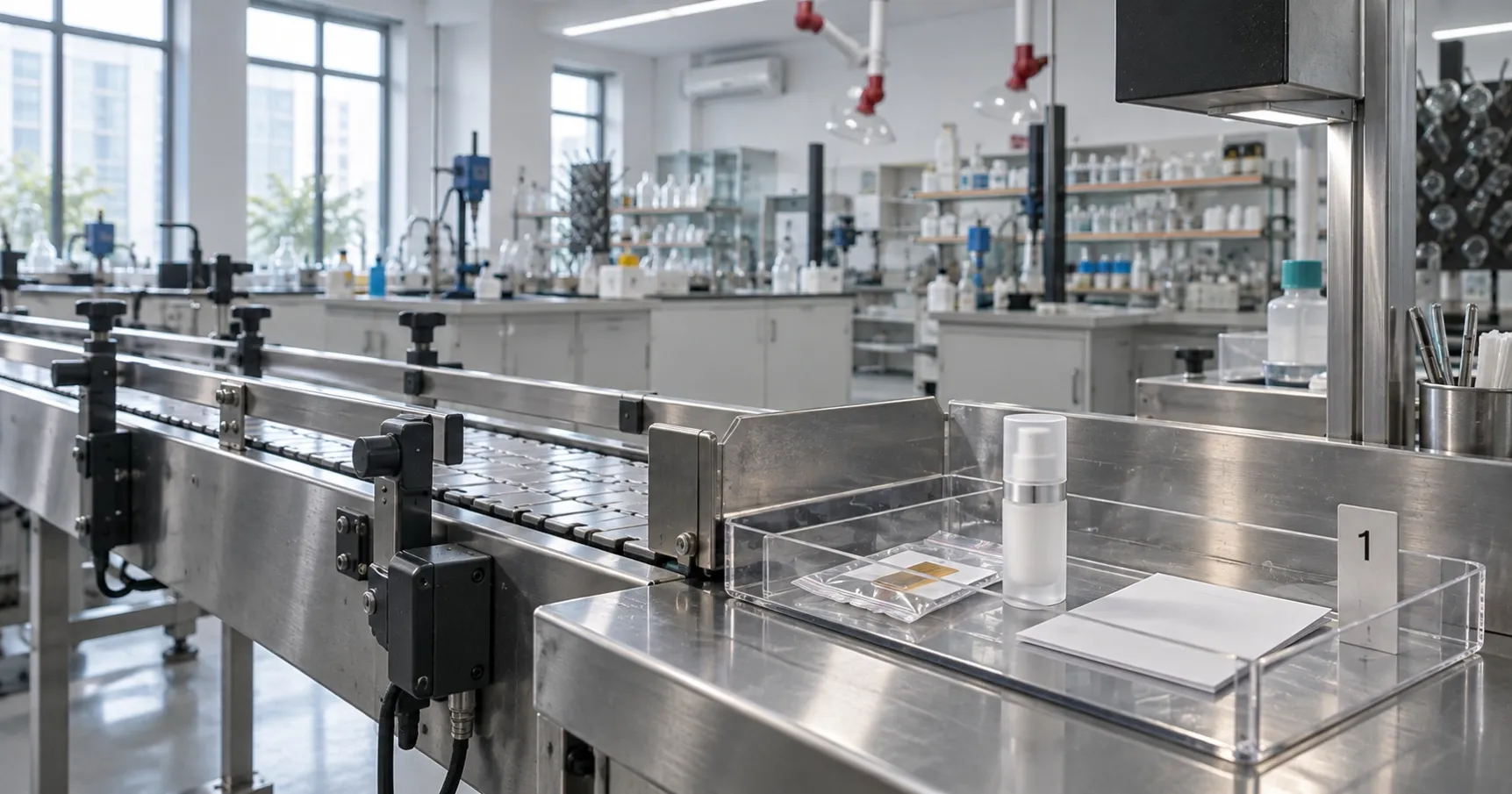
When a finished skincare unit looks, feels or works wrong, do not jump straight to “bad packaging” or “unstable formula.” Hold the affected units, protect representative samples, record where and when the defect appeared, and compare them with the approved reference. Then trace the signal through four possible origins: formula or bulk, filling or assembly, packaging components, and storage or transit.
The fastest useful question is: Did the defect exist before filling, appear during the run, emerge during storage, or show up only after shipment?
Start by protecting the evidence
Before opening, cleaning or discarding anything, record:
- Product, batch and finished-unit code
- Formula, packaging and artwork revision
- Component supplier lot or mold cavity, where available
- Line, filling time and inspection point
- Carton, pallet and shipment position
- Storage time, orientation and known temperature event
- Photos under a defined light and distance
Keep unopened affected units, normal comparison units and any relevant retains. A defect investigation is much harder when the only sample has already been wiped, pumped, cut apart or thrown away.
Four defect groups and the first comparison
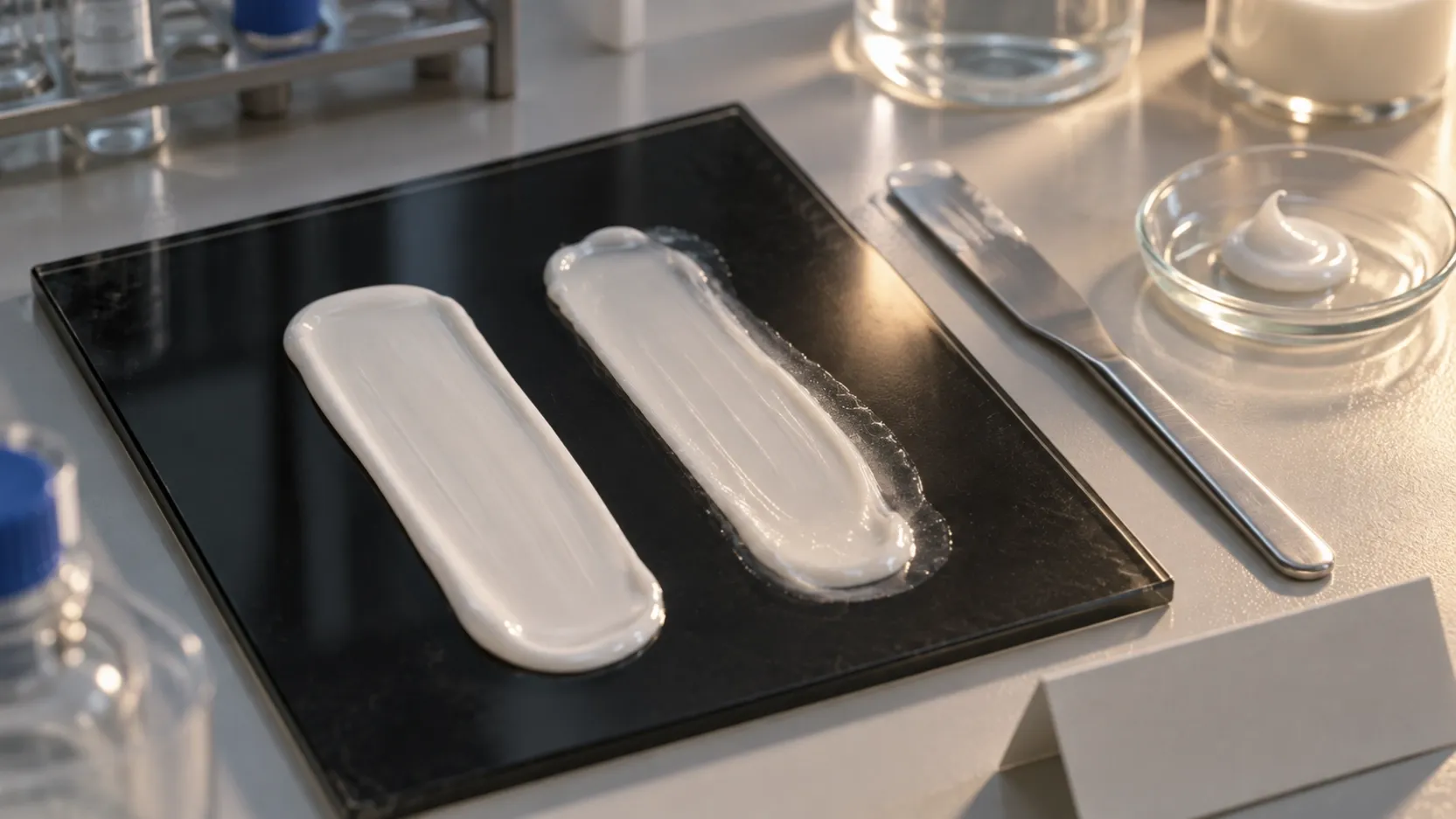
Suspected origin | Typical pattern | First evidence to compare |
|---|---|---|
Formula or bulk | Similar appearance, odor, texture or separation across different units | Bulk retain versus filled retain; in-process results; storage history |
Filling or assembly | Defect changes by time, lane, nozzle, closure head or adjustment point | First-off and interval samples; line settings; stop and restart records |
Packaging component | Defect clusters by component lot, cavity, supplier or pack format | Incoming sample, approved reference, component lot and assembly result |
Storage or transit | Defect clusters by carton, pallet position, route, orientation or exposure | Warehouse retain, shipment records, carton condition and receiving photos |
This table starts the investigation; it does not prove the cause. Use the pattern to decide which records and samples need a closer review.
1. Check whether the formula or bulk already carried the signal
Look for separation, unexpected particles, color or odor shift, viscosity change, uneven texture, excessive foam or a film that differs from the approved reference. If the same signal appears in the bulk retain and in units from several filling positions, the investigation should begin before packaging assembly.
Compare the batch record, relevant in-process results, bulk hold time and storage conditions. If the issue appears only in one pack or develops after contact time, move to the formula–pack compatibility checklist instead of assuming the bulk is unstable.
2. Check filling and assembly by time and position
Underfill, overfill, trapped air, product on a sealing surface, stringing, closure damage or inconsistent pump priming may appear after the bulk reaches the line. Map affected units by filling time, nozzle or lane, stop and restart, and any setting change.
The cosmetic filling-line control plan should show the approved first-off sample, interval checks and the response to an out-of-limit result. A useful investigation identifies the earliest known good unit and the first known affected unit, then places the uncertain range on hold.
3. Separate component defects from assembly damage
A scratched bottle, weak seal, cracked collar, deformed pump, loose closure or poor decoration can begin with the component—or be created during feeding, capping, coding or packing. Compare unused components from the same lot with finished units. Check whether the pattern follows one supplier lot, mold cavity, machine station or shift.
Use the existing packaging defect inspection standard to keep viewing conditions and acceptance boundaries consistent. If the package looks normal when empty but fails after formula contact or storage, treat compatibility as a separate question.
4. Compare warehouse retains with shipped units
Transit and storage can add compression, abrasion, leakage, label lift or temperature-related change. Compare a protected warehouse retain with units from different cartons and pallet positions. Preserve the outer case, dividers and receiving photos when the distribution pattern matters.
Do not label every post-shipment change a transport problem. If warehouse retains show the same defect, or if the pattern follows a component lot rather than a route, continue the investigation upstream.
Record the decision, not just the suspected cause
A useful cosmetic manufacturing deviation report should state the affected scope, evidence reviewed, confirmed or unconfirmed cause, immediate containment, disposition and follow-up action. Avoid writing “operator error” or “bad material” without evidence that explains the pattern.
ISO 22716:2007 provides GMP guidance for cosmetic production, control, storage and shipment. The FDA cosmetics GMP inspection checklist also addresses in-process and finished-product examination, filling records, packaging identity, control status and batch coding. These sources support a controlled investigation, but they do not prescribe one universal defect limit for every formula and pack.
Before shipment resumes, reconnect the investigation to the cosmetic batch-release checklist. The release reviewer should know which units were contained, what evidence supports the decision and whether any result is still pending.
Questions to send your manufacturer
- Which batch, component lots, line positions and time range may be affected?
- What is the earliest known good unit and the first known affected unit?
- Which samples and records are being preserved?
- Does the pattern follow formula, equipment, component lot or shipment position?
- What is on hold while the investigation is open?
- Which result will decide reinspection, rework, rejection or release?
- When will the brand receive a concise evidence and disposition summary?
For project-specific testing routes, review BIO-TIDE’s compliance and testing support.
Need a clearer defect-triage plan?
BIO-TIDE can help evaluate:
- Defect samples and comparison evidence
- Formula, filling and packaging pathways
- Containment and affected-unit boundaries
- Supplier questions and next-step testing