How to Demonstrate Skincare Claims: An Evidence Matrix for Brand Teams
Build a skincare claims evidence matrix that aligns wording, finished-product proof, target users and test planning before ODM sampling.

To demonstrate a skincare claim, define the exact finished-product benefit, the user group, the test method and the wording before the test begins. An ingredient story alone is not the same as evidence for the finished formula.
Start with the claim, not the ingredient list
“With peptide” and “improves the look of fine lines” are different statements. The first is an ingredient-content statement. The second describes a finished-product benefit and needs an evidence route that matches the wording.
For products placed on the EU market, the European Commission’s common criteria for cosmetic claims include truthfulness, evidential support, honesty and informed decision-making. Your regulatory route will depend on the market, but the development habit is useful everywhere: agree the claim before you agree the test.
Use a simple evidence matrix
| Proposed claim | Decide before testing | Useful output for the claims file |
|---|---|---|
| “Helps skin feel hydrated” | User group, use period, comparison and the exact consumer language | Finished-product consumer-use result or an appropriate instrumental result |
| “Improves the look of dull skin” | What “dull” means in the brief and how the result will be assessed | Defined assessment method and the final supported wording |
| “Suitable for a sensitive-skin routine” | Product position, exclusions, use instructions and acceptable wording | A claim route that matches the finished formula and intended use |
The matrix is not a test protocol. It is the decision record that keeps the formula, sample, label and marketing copy pointed at the same outcome.
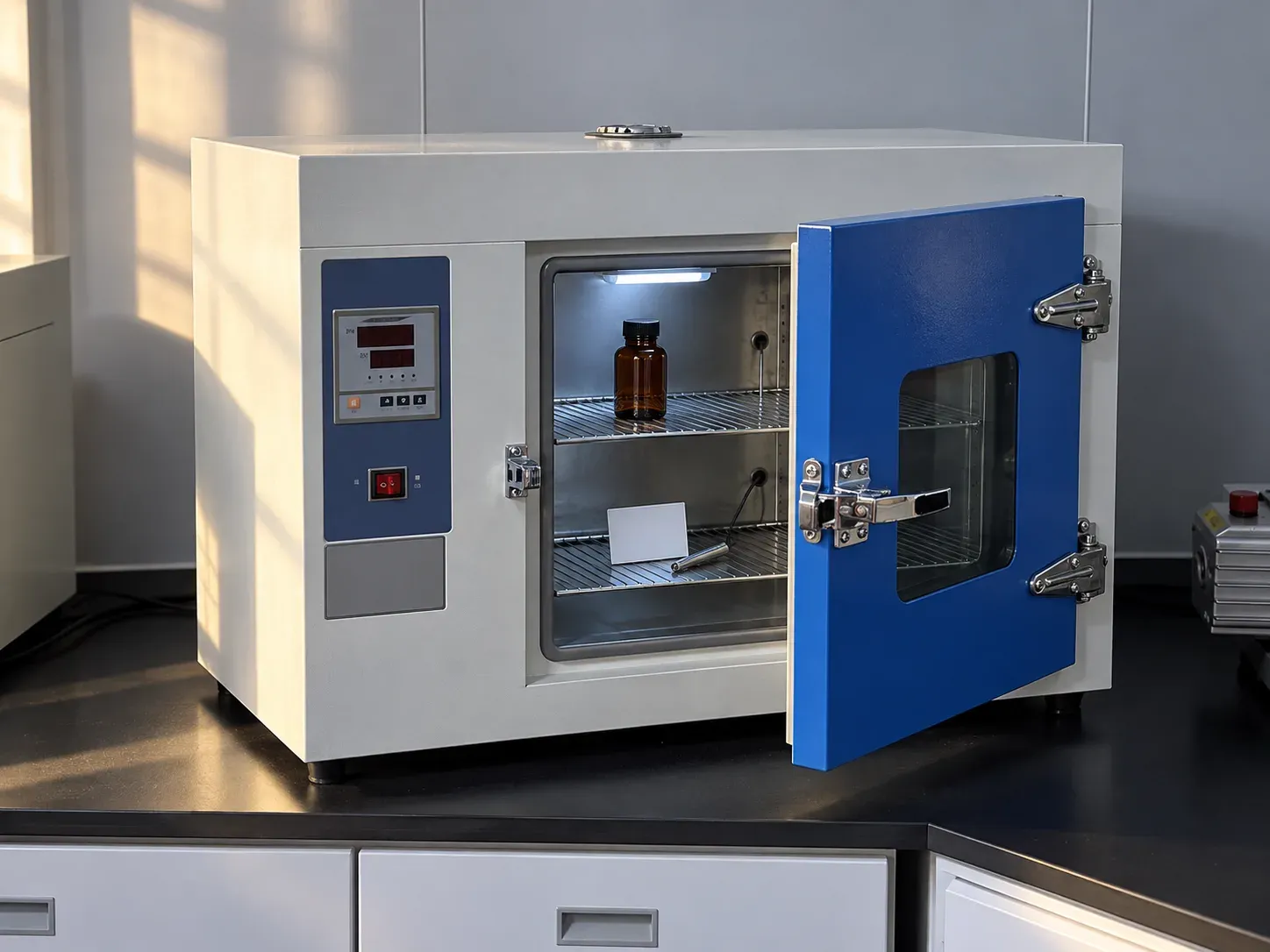
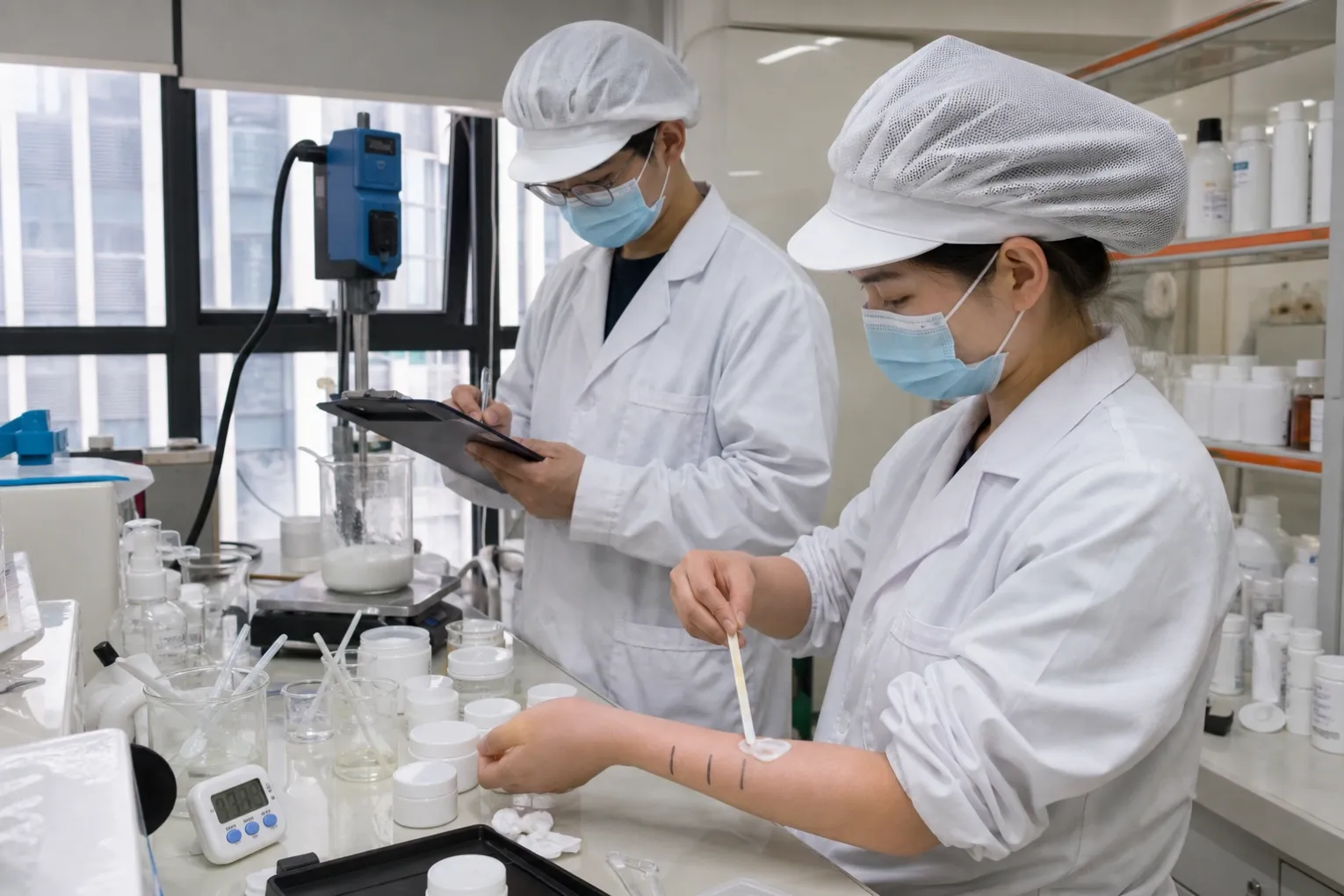
A stable claim plan starts with a representative finished-product sample and a clear observation record.
Ask these five questions before sampling
- What exact words will appear on the pack, page or campaign?
- Which finished-product benefit do those words promise?
- Who is the intended user, and how will they use the product?
- What evidence is appropriate for that promise in the target market?
- Who approves a wording change if the result supports a narrower claim?
If the answer to question four is unclear, do not let the design team lock the phrase first. Keep the marketing direction, but mark the final wording as pending evidence.
Keep ingredient information in its right place
Supplier material, published ingredient research and bench observations can help shape a development hypothesis. They should not be presented as automatic proof that the final formula delivers the same benefit. Formula level, process, packaging, stability and real use can all affect the finished product.
This is why a market-specific skincare formula brief should record the target market and claim direction before sampling. It gives the R&D, regulatory and marketing teams one shared decision point.
Avoid late changes that create rework
The most expensive claim problems are often small wording changes made after samples, packaging artwork or a study plan are already approved. Before scale-up, check that these four items match:
- the tested sample and the final formula revision;
- the tested use instructions and the proposed product direction;
- the study output and the exact public-facing phrase;
- the label, product page and sales material.
For a formula that also needs a market-ready container, add packaging compatibility testing to the development plan. It addresses a different question: whether the final formula and pack work together over time.
FAQ
Can an ingredient dossier prove a finished-product claim?
Not by itself. It can support the product-development rationale, but the final claim must be assessed against the finished product and its intended presentation.
When should a brand agree the test direction?
Before the representative sample is prepared. That gives the team time to align formula revision, claim wording, packaging and launch plan.
Turn a claim idea into a testable brief
Not sure which evidence route fits your brand?
BIO-TIDE can help evaluate:
- Product positioning
- Target market
- Development budget
- Launch timeline